Eucalyptus cuprea
Eucalyptus cuprea · Accepted scientific name
Scientific literature: Very Extensive (250 studies) · ★★★★★
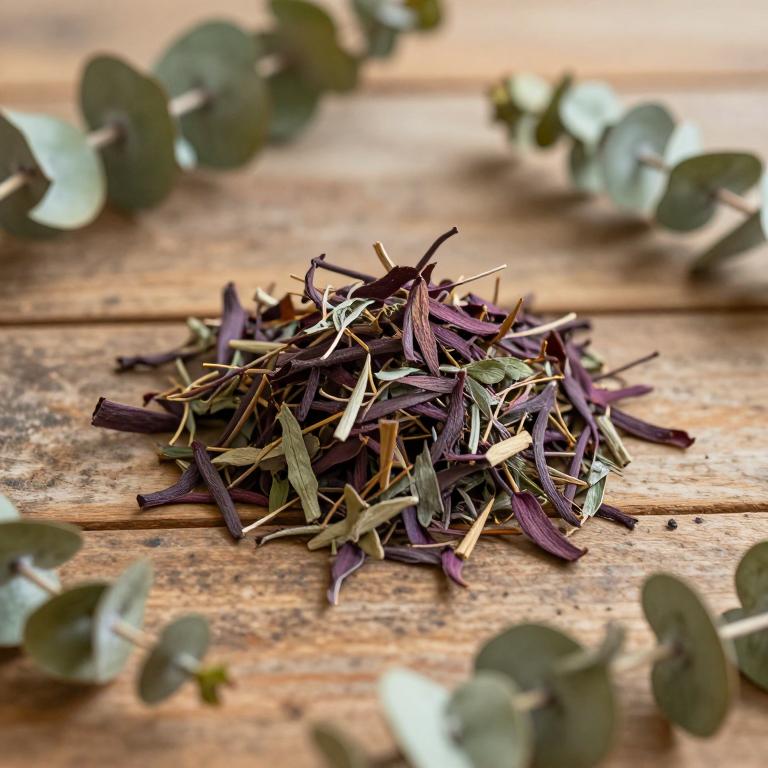
Eucalyptus cuprea, scientifically known as Eucalyptus cuprea, is a distinctive medicinal plant celebrated for its therapeutic properties. Native to specific Australian landscapes, its aromatic leaves are rich in essential oils. These compounds offer potent antiseptic, decongestant, and anti-inflammatory benefits, making it a valuable resource in traditional herbal medicine.
- Family
- Not available
- Native range
- Australasia
- Parts used
- Not available
- Common names
- Not available
- Scientific synonyms
- Not available
Names and Synonyms
Scientific Names
Accepted name
Eucalyptus cupreaDistribution
This plant, known as Eucalyptus cuprea, exhibits a very specific and limited geographical range. Its natural occurrence is confined primarily to the continent of Australia. Within this vast landmass, the species is specifically found in the region of Western Australia. This localized distribution suggests that the plant is highly adapted to the particular environmental conditions of that area. Consequently, it is considered an endemic species to this specific part of the Australian landscape.
| Region | Area |
|---|---|
| Australia | Western Australia |
Sources: The World Checklist of Vascular Plants (WCVP)
Botanical Identification
Life history
The life history of Eucalyptus cuprea is characterized by its classification as a phanerophyte, specifically exhibiting growth patterns consistent with both phanerophyte and nanophanerophyte life forms. As a woody perennial, its life cycle is defined by the maintenance of its perennating buds high above the ground on permanent branches, ensuring survival through varying seasonal conditions. Its development begins with seed germination, leading into a robust vegetative phase where it establishes a significant woody structure. As a phanerophyte, it invests heavily in long-term structural integrity, allowing it to occupy various ecological niches where its height provides a competitive advantage for light acquisition. Throughout its life history, the plant undergoes periodic cycles of growth and maturation, maintaining its perennial nature by protecting its vital organs within elevated woody tissues.
- Life form :
- phanerophyte
Morphology
The morphology of Eucalyptus cuprina is characterized by its woody structure and a growth habit that is strictly terrestrial, lacking any aquatic or semiaquatic adaptations. As a self-supporting plant, it does not function as a climber or an epiphyte, nor does it exhibit any parasitic tendencies, maintaining a completely independent existence. In terms of stature, the plant typically reaches a height ranging from a minimum of 2.5 meters to a maximum of 5 meters.
- Aquatic :
- terrestrial
- Climber :
- self-supporting
- Epiphyte :
- terrestrial
- Parasite :
- independent
- Plant height max:
- 5 m
- Plant height min:
- 2.5 m
- Woodiness :
- woody
Sources: Global Inventory of Floras and Traits (GIFT)
Chemicals
Eucalyptus cuprea has 74 reported phytochemicals identified across 0 scientific publications and several other databases. The most consistently reported chemicals include 1,8-Cineole, A-MUUROLENE, ALPHA-PHELLANDRENE, ALPHA-PINENE, ALPHA-SELINENE.
| Chemical | Supporting sources | Consensus |
|---|---|---|
| 1,8-Cineole | 1 supporting sources | ★☆☆☆☆ |
| A-MUUROLENE | 1 supporting sources | ★☆☆☆☆ |
| ALPHA-PHELLANDRENE | 1 supporting sources | ★☆☆☆☆ |
| ALPHA-PINENE | 1 supporting sources | ★☆☆☆☆ |
| ALPHA-SELINENE | 1 supporting sources | ★☆☆☆☆ |
| Allo-Aromadendrene | 1 supporting sources | ★☆☆☆☆ |
| Aromadendrene | 1 supporting sources | ★☆☆☆☆ |
| BETA-CARYOPHYLLENE | 1 supporting sources | ★☆☆☆☆ |
| BETA-ELEMENE | 1 supporting sources | ★☆☆☆☆ |
| BETA-PHELLANDRENE | 1 supporting sources | ★☆☆☆☆ |
1,8-Cineole
- Dr. Duke
A-MUUROLENE
- Dr. Duke
ALPHA-PHELLANDRENE
- Dr. Duke
ALPHA-PINENE
- Dr. Duke
ALPHA-SELINENE
- Dr. Duke
Allo-Aromadendrene
- Dr. Duke
Aromadendrene
- Dr. Duke
BETA-CARYOPHYLLENE
- Dr. Duke
BETA-ELEMENE
- Dr. Duke
BETA-PHELLANDRENE
- Dr. Duke
Activities
Eucalyptus cuprea has 176 reported activities identified across 0 scientific publications and several other databases. The most consistently reported activities include (-)-Chronotropic, (-)-Inotropic, ACE-Inhibitor, AChE-Inhibitor, Acaricide.
| Activity | Supporting sources | Consensus |
|---|---|---|
| (-)-Chronotropic | 1 supporting sources | ★☆☆☆☆ |
| (-)-Inotropic | 1 supporting sources | ★☆☆☆☆ |
| ACE-Inhibitor | 1 supporting sources | ★☆☆☆☆ |
| AChE-Inhibitor | 1 supporting sources | ★☆☆☆☆ |
| Acaricide | 1 supporting sources | ★☆☆☆☆ |
| Aldose-Reductase-Inhibitor | 1 supporting sources | ★☆☆☆☆ |
| Allelochemic | 1 supporting sources | ★☆☆☆☆ |
| Allelopathic | 1 supporting sources | ★☆☆☆☆ |
| Allergenic | 1 supporting sources | ★☆☆☆☆ |
| Analgesic | 1 supporting sources | ★☆☆☆☆ |
(-)-Chronotropic
- Dr. Duke
(-)-Inotropic
- Dr. Duke
ACE-Inhibitor
- Dr. Duke
AChE-Inhibitor
- Dr. Duke
Acaricide
- Dr. Duke
Aldose-Reductase-Inhibitor
- Dr. Duke
Allelochemic
- Dr. Duke
Allelopathic
- Dr. Duke
Allergenic
- Dr. Duke
Analgesic
- Dr. Duke