Erythroxylum
Erythroxylum · Accepted scientific name
Scientific literature: Very Sparse (6 studies) · ★☆☆☆☆
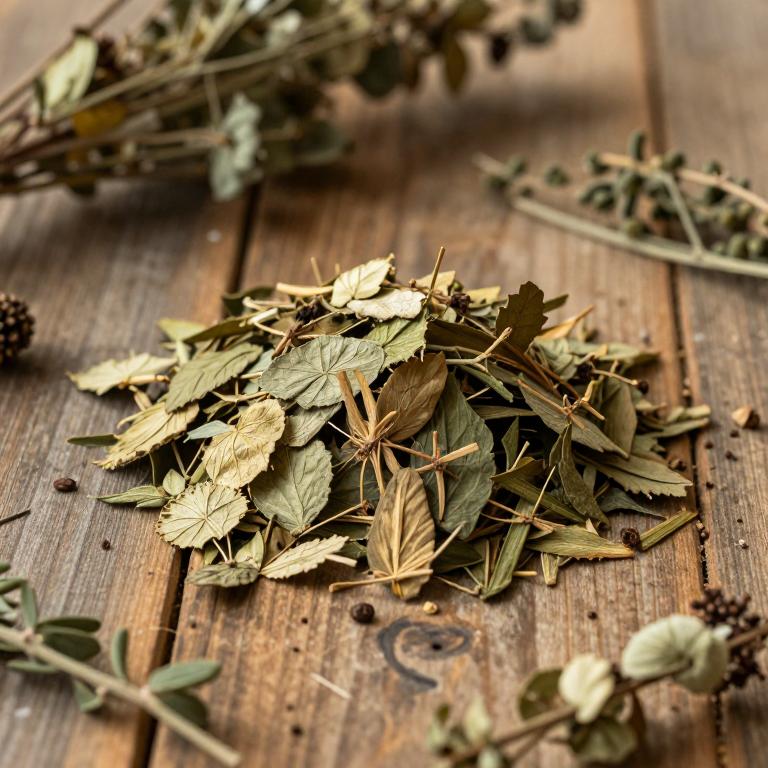
Scientifically known as Erythroxylum, is a genus of flowering plants in the family Erythroxylaceae. While many species are valued for their diverse ecological roles, certain varieties are historically significant due to their potent alkaloid content. These plants play a complex role in both traditional medicine and pharmacology.
- Family
- Erythroxylaceae
- Native range
- Africa
- Parts used
- Leaf
- Common names
- Not available
- Scientific synonyms
- Sethia · Roelana
Names and Synonyms
Scientific Names
Accepted name
ErythroxylumSynonyms
- Sethia
- Roelana
Sources: Wikidata, Catalogue of Life
Taxonomical Classification
This plant belongs to the kingdom Plantae and the phylum Streptophyta, falling under the class Equisetopsida and subclass Magnoliidae. Within the order Malpighiales, it is a member of the family Erythroxylaceae. It is specifically classified under the genus Erythroxylum.
| Rank | Classification |
|---|---|
| Kingdom | Plantae |
| Phylum | Streptophyta |
| Class | Equisetopsida |
| Subclass | Magnoliidae |
| Order | Malpighiales |
| Family | Erythroxylaceae |
| Genus | Erythroxylum |
Sources: The World Checklist of Vascular Plants (WCVP)
Distribution
This plant is found across several specific regions within West Tropical Africa. Its geographical presence includes the nation of Benin, where it grows in local environments. It is also distributed through Burkina and the coastal country of Ghana. Furthermore, the species can be identified within the borders of Guinea-Bissau. Finally, its range extends into the neighboring territory of Guinea.
| Region | Area |
|---|---|
| West Tropical Africa | Benin |
| West Tropical Africa | Burkina |
| West Tropical Africa | Ghana |
| West Tropical Africa | Guinea-Bissau |
| West Tropical Africa | Guinea |
| West Tropical Africa | Ivory Coast |
| West Tropical Africa | Liberia |
| West Tropical Africa | Mali |
| West Tropical Africa | Nigeria |
| West Tropical Africa | Sierra Leone |
Sources: The World Checklist of Vascular Plants (WCVP)
Plant Parts
Erythroxylum has 1 reported plant parts identified across 2 scientific publications and several other databases that are studied for medicinal purposes. The most consistently reported plant part include leaf.
| Plant part | Supporting sources | Consensus |
|---|---|---|
| Leaf | 2 supporting sources | ★☆☆☆☆ |
Leaf
- Journal of chromatography. A
- Journal of ethnopharmacology
Chemicals
Erythroxylum has 1 reported phytochemicals identified across 2 scientific publications and several other databases. The most consistently reported chemicals include cocaine.
| Chemical | Supporting sources | Consensus |
|---|---|---|
| cocaine | 1 supporting sources | ★☆☆☆☆ |
cocaine
- Journal of ethnopharmacology
Activities
Erythroxylum has 2 reported activities identified across 2 scientific publications and several other databases. The most consistently reported activities include Aphrodisiac, Psychoactive.
| Activity | Supporting sources | Consensus |
|---|---|---|
| Aphrodisiac | 1 supporting sources | ★☆☆☆☆ |
| Psychoactive | 1 supporting sources | ★☆☆☆☆ |
Aphrodisiac
- Planta medica
Psychoactive
- Journal of ethnopharmacology
Preparations
Erythroxylum has 1 reported preparations identified across 2 scientific publications and several other databases. The most consistently reported preparations include bark drugs.
| Preparation | Supporting sources | Consensus |
|---|---|---|
| Bark drugs | 1 supporting sources | ★☆☆☆☆ |
Bark drugs
- Planta medica