Erythroxylum rotundifolium
Erythroxylum rotundifolium · Accepted scientific name
Scientific literature: Very Sparse (28 studies) · ★☆☆☆☆
, scientifically known as Erythroxylum rotundifolium, is a remarkable medicinal plant valued for its unique therapeutic properties. Belonging to the Erythroxylaceae family, this species is traditionally recognized in ethnobotanical studies for its bioactive compounds. Its diverse chemical profile offers significant potential for developing novel treatments in modern pharmacology.
- Family
- Not available
- Native range
- Northern America
- Parts used
- Stem
- Common names
- Not available
- Scientific synonyms
- Not available
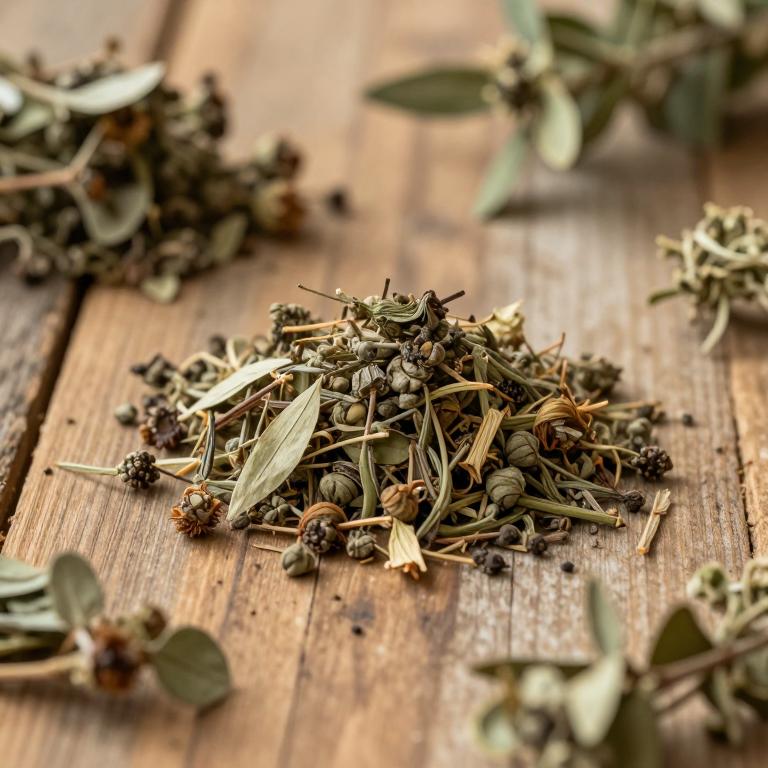
Names and Synonyms
Scientific Names
Accepted name
Erythroxylum rotundifoliumDistribution
This plant exhibits a widespread presence across several key regions within the country of Mexico. Its geographical range includes significant populations found throughout Mexico Central. Furthermore, the species is documented to grow within the areas of Mexico Northeast and Mexico Gulf. The distribution also extends into the territories of Mexico Southwest. Finally, the plant can be located within the diverse landscapes of Mexico Southeast.
| Region | Area |
|---|---|
| Mexico | Mexico Central |
| Mexico | Mexico Northeast |
| Mexico | Mexico Gulf |
| Mexico | Mexico Southwest |
| Mexico | Mexico Southeast |
| Central America | Belize |
| Central America | Costa Rica |
| Central America | El Salvador |
| Central America | Guatemala |
| Central America | Honduras |
Sources: The World Checklist of Vascular Plants (WCVP)
Botanical Identification
Ecology
The ecology of Erythroxylum rotundifolium is fundamentally defined by its specialized preference for riverine habitats. This plant thrives in the distinct microclimates found along the margins of watercourses, where it benefits from the high moisture availability and the specific soil compositions characteristic of riparian zones. The proximity to moving or standing water ensures a consistent supply of hydration and influences the local humidity levels, which are critical for its physiological processes. Within these riverine environments, the plant occupies niches shaped by periodic flooding and the alluvial deposition of nutrient-rich sediments, allowing it to integrate into the complex structural layers of the water-adjacent vegetation. This localized habitat requirement suggests that its distribution and survival are closely tied to the stability and hydrological patterns of the river systems it inhabits.
- Habitat :
- riverine
Life history
The life history of Erythroxylum rotundifolium is characterized by its status as a perennial plant, allowing it to persist through multiple growing seasons and maintain a long-term presence within its ecological niche. Throughout its developmental stages, the plant exhibits an evergreen habit, meaning it retains its foliage year-round rather than shedding it seasonally, which facilitates continuous photosynthetic activity. This combination of a perennial lifecycle and evergreen deciduousness ensures a stable vegetative structure capable of sustained growth and survival over extended periods.
- Deciduousness :
- evergreen
- Lifecycle :
- perennial
Morphology
The morphology of Erythroxylum rotundifolium is characterized by its woody structure and varied growth habit, manifesting primarily as a tree or a shrub. This terrestrial plant exhibits a significant vertical presence, with a mean height of approximately 6 m, though it can reach a maximum height of up to 9 m. Unlike climbing species, it is categorized as a self-supporting organism, functioning independently without the need for liana or vine-like attachment. As an independent species, it does not exhibit parasitic behavior and grows strictly in terrestrial environments rather than as an epiphyte or an aquatic plant.
- Aquatic :
- terrestrial
- Climber :
- self-supporting
- Epiphyte :
- terrestrial
- Growth form :
- tree
- Growth form :
- shrub
- Parasite :
- independent
- Plant height max:
- 9 m
- Plant height mean:
- 6 m
- Woodiness :
- woody
Physiology
The physiology of Erythroxylum rotundifolium is characterized by a C3 photosynthetic pathway, indicating a standard carbon fixation process typical of many woody species. Its vegetative structure exhibits specific architectural and biomass allocation patterns, notably in its stem and leaf properties. The stem specific density (SSD) varies across a range from a minimum of 760 mg/cm³ to a maximum of 860 mg/cm³, with an overall mean density of 810 mg/cm³. The leaf morphology is defined by a constant Specific Leaf Area (SLA) of 160.9 cm²/g, suggesting a highly uniform leaf thickness or density across its surface. Furthermore, the leaf dry matter content (LDMC) remains consistent at 451.6 mg/g, representing both the minimum, mean, and maximum values for this trait. Regarding nutrient cycling and symbiotic relationships, the plant does not function as a nitrogen fixer.
- Leaf dry matter content (LDMC) mean:
- 451.6 mg/g
- Nitrogen fixer :
- no
- Photosynthetic pathway :
- C3
- Specific Leaf Area (SLA) min:
- 160.9 cm²/g
- Stem specific density (SSD) max:
- 860 mg/cm³
- Stem specific density (SSD) mean:
- 810 mg/cm³
- Stem specific density (SSD) min:
- 760 mg/cm³
Reproduction
The reproduction of Erythroxylum rotundifolium is characterized by specific seed morphology and specialized dispersal mechanisms. The species utilizes a zoochorous dispersal syndrome, relying on animals to facilitate the movement of its seeds. The seeds produced by this plant exhibit a mean seed length of 4.289 mm, with individual seed dimensions ranging from a minimum of 2.74 mm to a maximum of 5.838 mm. Regarding seed weight, the plant maintains a highly consistent seed mass, with both the mean, minimum, and maximum recorded values all standing at 0.03261 g.
- Dispersal syndrome :
- zoochorous
- Seed length max:
- 5.838 mm
- Seed length mean:
- 4.289 mm
- Seed length min:
- 2.74 mm
- Seed mass mean:
- 0.03261 g
Sources: Global Inventory of Floras and Traits (GIFT)
Plant Parts
Erythroxylum rotundifolium has 1 reported plant parts identified across 1 scientific publications and several other databases that are studied for medicinal purposes. The most consistently reported plant part include stem.
| Plant part | Supporting sources | Consensus |
|---|---|---|
| Stem | 1 supporting sources | ★☆☆☆☆ |
Stem
- Journal of natural products
Chemicals
Erythroxylum rotundifolium has 1 reported phytochemicals identified across 1 scientific publications and several other databases. The most consistently reported chemicals include cocaine.
| Chemical | Supporting sources | Consensus |
|---|---|---|
| cocaine | 1 supporting sources | ★☆☆☆☆ |
cocaine
- Dr. Duke
Activities
Erythroxylum rotundifolium has 26 reported activities identified across 1 scientific publications and several other databases. The most consistently reported activities include Anesthetic, Anorexic, Antiarrhythmic, Antibacterial, Antiepistactic.
| Activity | Supporting sources | Consensus |
|---|---|---|
| Anesthetic | 1 supporting sources | ★☆☆☆☆ |
| Anorexic | 1 supporting sources | ★☆☆☆☆ |
| Antiarrhythmic | 1 supporting sources | ★☆☆☆☆ |
| Antibacterial | 1 supporting sources | ★☆☆☆☆ |
| Antiepistactic | 1 supporting sources | ★☆☆☆☆ |
| Antifeedant | 1 supporting sources | ★☆☆☆☆ |
| Arterioconstrictor | 1 supporting sources | ★☆☆☆☆ |
| CNS-Stimulant | 1 supporting sources | ★☆☆☆☆ |
| Cardiotonic | 1 supporting sources | ★☆☆☆☆ |
| Convulsant | 1 supporting sources | ★☆☆☆☆ |
Anesthetic
- Dr. Duke
Anorexic
- Dr. Duke
Antiarrhythmic
- Dr. Duke
Antibacterial
- Dr. Duke
Antiepistactic
- Dr. Duke
Antifeedant
- Dr. Duke
Arterioconstrictor
- Dr. Duke
CNS-Stimulant
- Dr. Duke
Cardiotonic
- Dr. Duke
Convulsant
- Dr. Duke