Erythroxylum moonii
Erythroxylum moonii · Accepted scientific name
Scientific literature: Very Sparse (0 studies) · ★☆☆☆☆
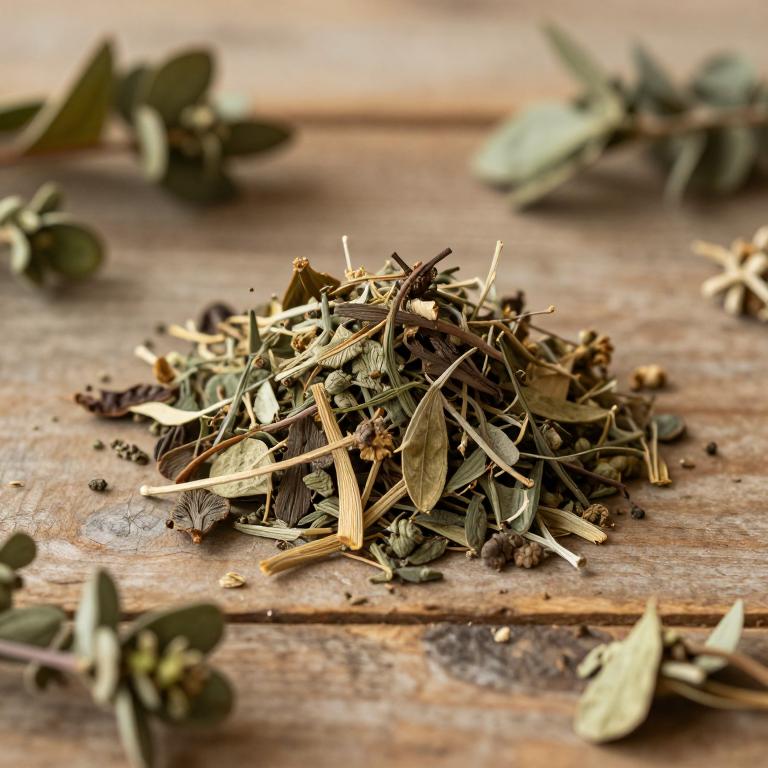
Erythroxylum moonii is a specialized plant species primarily recognized for its distinct foliage. The leaves of this plant serve as the central component for various botanical preparations. Researchers often focus on these leafy structures to understand the plant's unique chemical profile. By utilizing the prepared leaves, studies can delve deeper into the biological properties inherent to the species. Understanding this plant requires a close examination of its leaf morphology and potential applications.
- Synonyms
- Sethia Acuminata
- Common names
- Not available
- Family
- Erythroxylaceae
- Distribution
- Not available
- Plant Parts
- Leaf
Classification
Synonyms
Erythroxylum moonii is a botanical species that is frequently identified by its taxonomic synonym, Sethia acuminata. This nomenclatural connection highlights the evolving nature of plant classification as researchers refine their understanding of different genera. While the names may differ depending on the specific botanical authority cited, they both refer to the exact same organism. Recognizing these synonyms is essential for scientists and gardeners attempting to ensure accurate identification in the field. Consequently, understanding these relationships provides a clearer picture of the plant's place within the broader biological landscape.
Sources: The World Checklist of Vascular Plants (WCVP)
Taxonomy
Erythroxylum moonii is a specialized botanical species belonging to the kingdom Plantae. This plant is classified under the class Equisetopsida, reflecting its place within the broader plant world. As a member of the order Malpighiales, it shares evolutionary ties with a diverse range of other flowering plants. It is further categorized into the family Erythroxylaceae, which defines its specific biological characteristics. Ultimately, this species finds its taxonomic home within the genus Erythroxylum.
| Rank | Classification |
|---|---|
| Kingdom | Plantae |
| Phylum | Streptophyta |
| Class | Equisetopsida |
| Subclass | Magnoliidae |
| Order | Malpighiales |
| Family | Erythroxylaceae |
| Genus | Erythroxylum |
Sources: The World Checklist of Vascular Plants (WCVP)
Distribution
Geographic Regions
Erythroxylum moonii is a specialized plant species found within the lush landscapes of the Asia-Tropical region. Its geographical footprint is primarily centered within the Indian Subcontinent, where it plays a unique role in the local ecosystem. Specifically, the species can be identified growing across various habitats throughout India. Furthermore, its natural range extends across the sea to include the island nation of Sri Lanka. This distinct distribution highlights the plant's importance to the biodiversity of these South Asian territories.
Sources: The World Checklist of Vascular Plants (WCVP)
Identification
Morphology
Erythroxylum moonii is a self-supporting plant that maintains its own structure without the need for external support.
Sources: Global Inventory of Floras and Traits (GIFT)
Biological Activities
Compounds
Conditions
Preparations
Erythroxylum moonii is prepared as leaves for the isolation of various chemical compounds. Researchers utilized these specific leaves to identify four new tropane alkaloids. These alkaloids include 3 alpha-isobutyryloxy-7 beta-hydroxynortropane and 3 alpha-hydroxy-7 beta-phenylacetoxynortropane. The leaf material also yielded several other previously undocumented alkaloids such as 3 alpha-benzoyloxytropane. Through the use of spectroscopic methods, the structures of the substances derived from these leaves were successfully elucidated.
Parts used
Erythroxylum moonii serves as a significant botanical source for the discovery of various chemical compounds. Specifically, researchers have focused on the plant's leaf to isolate several unique substances. Through detailed analysis, four new tropane alkaloids were identified from these leaf samples. The study also highlighted several other alkaloids that were being documented from the species for the first time. Ultimately, spectroscopic methods were employed to successfully elucidate the complex structures of these newly found compounds.