Erythroxylum monogynum
Erythroxylum monogynum · Accepted scientific name
Scientific literature: Very Sparse (49 studies) · ★☆☆☆☆
, scientifically known as Erythroxylum monogynum, is a significant medicinal plant valued in traditional healing practices. Belonging to the Erythroxylaceae family, this species is recognized for its unique phytochemical profile. Researchers study its bioactive compounds to explore potential therapeutic applications in pharmacology, particularly for its diverse biological properties.
- Family
- Not available
- Native range
- Asia-Tropical
- Parts used
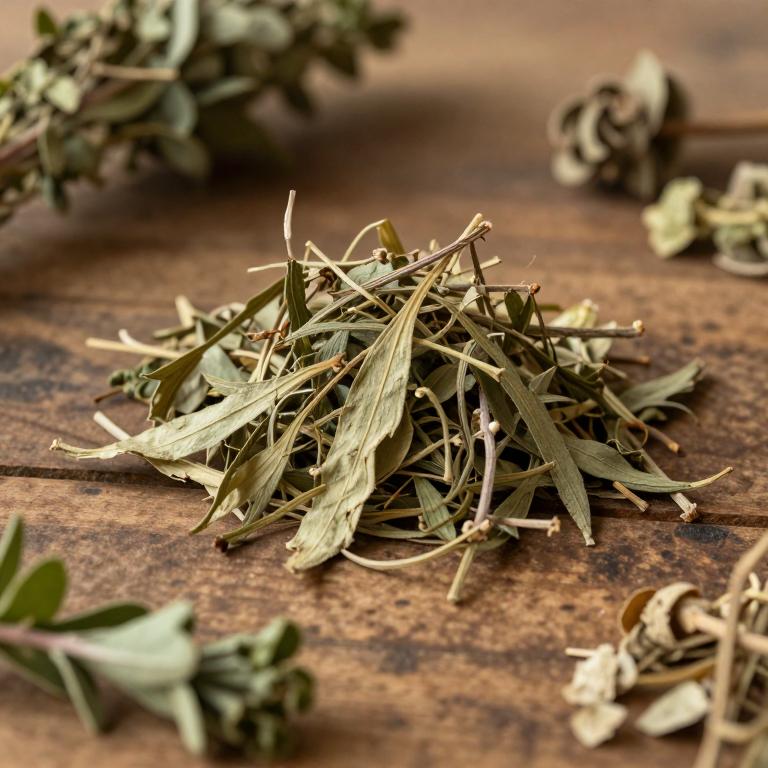
- Leaf
- Common names
- Not available
- Scientific synonyms
- Not available
Names and Synonyms
Scientific Names
Accepted name
Erythroxylum monogynumDistribution
This plant exhibits a broad geographical distribution across several key regions of Asia. Within the Indian Subcontinent, it is commonly found throughout the diverse landscapes of India. Its presence also extends to the neighboring territory of Bangladesh. Furthermore, the species can be identified growing in various parts of Sri Lanka. Finally, its range reaches into the Indo-China region, specifically within Myanmar.
| Region | Area |
|---|---|
| Indian Subcontinent | Bangladesh |
| Indian Subcontinent | India |
| Indian Subcontinent | Sri Lanka |
| Indo-China | Myanmar |
Sources: The World Checklist of Vascular Plants (WCVP)
Botanical Identification
Life history
The life history of Erythroxylum monogynum is characterized by its status as a perennial plant, allowing it to persist in its environment over many successive growing seasons. Throughout its development, it maintains an evergreen habit, ensuring that its foliage remains functional and present year-round rather than shedding seasonally.
- Deciduousness :
- evergreen
- Lifecycle :
- perennial
Morphology
The morphology of Erythroxylum monogynum is characterized by its distinct growth habit and structural composition. The plant functions as a tree, exhibiting a robust and permanent architecture. In terms of its climbing capabilities, it demonstrates a self-supporting nature, categorized as both a liana and a vine that can function as a self-supporting structure through its own mechanical strength. This growth form is further defined by its woody consistency, possessing a permanent, lignified stem structure typical of woody perennials.
- Climber :
- self-supporting
- Growth form :
- tree
- Woodiness :
- woody
Physiology
The physiology of Erythroxylum monogynum is characterized by a C3 photosynthetic pathway, utilizing the standard Calvin cycle for carbon fixation without the specialized adaptations found in C4 or CAM species. Regarding its nutrient acquisition processes, the plant does not function as a nitrogen fixer, meaning it lacks the symbiotic relationship with nitrogen-fixing bacteria required to convert atmospheric nitrogen into bioavailable forms.
- Nitrogen fixer :
- no
- Photosynthetic pathway :
- C3
Reproduction
Reproduction in Erythroxylum monogynum is characterized by the production of specialized seeds that play a critical role in the dispersal and establishment of new individuals. Based on botanical data, the seed mass of this species is remarkably consistent, exhibiting no variance across observed samples. The seed mass mean, maximum, and minimum values are all recorded at a uniform 0.02841 g. This precise uniformity in seed mass suggests a highly stabilized reproductive strategy, ensuring that each seed carries a standardized amount of nutrient reserves to support early seedling development during the germination process.
- Seed mass mean:
- 0.02841 g
Sources: Global Inventory of Floras and Traits (GIFT)
Plant Parts
Erythroxylum monogynum has 1 reported plant parts identified across 1 scientific publications and several other databases that are studied for medicinal purposes. The most consistently reported plant part include leaf.
| Plant part | Supporting sources | Consensus |
|---|---|---|
| Leaf | 1 supporting sources | ★☆☆☆☆ |
Leaf
- Parasitology research
Chemicals
Erythroxylum monogynum has 16 reported phytochemicals identified across 1 scientific publications and several other databases. The most consistently reported chemicals include 3,4,5-Trimethoxycinnamate, 3alpha-(3,4,5-Trimethoxybenzoyloxy)tropane, Bisabolene, CADINENE, CAPRIC ACID.
| Chemical | Supporting sources | Consensus |
|---|---|---|
| 3,4,5-Trimethoxycinnamate | 1 supporting sources | ★☆☆☆☆ |
| 3alpha-(3,4,5-Trimethoxybenzoyloxy)tropane | 1 supporting sources | ★☆☆☆☆ |
| Bisabolene | 1 supporting sources | ★☆☆☆☆ |
| CADINENE | 1 supporting sources | ★☆☆☆☆ |
| CAPRIC ACID | 1 supporting sources | ★☆☆☆☆ |
| Erythroxylol A | 1 supporting sources | ★☆☆☆☆ |
| Erythroxylol A acetate epoxide | 1 supporting sources | ★☆☆☆☆ |
| Erythroxylol A epoxide | 1 supporting sources | ★☆☆☆☆ |
| Erythroxylol B | 1 supporting sources | ★☆☆☆☆ |
| Erythroxytriol P | 1 supporting sources | ★☆☆☆☆ |
3,4,5-Trimethoxycinnamate
- Dr. Duke
3alpha-(3,4,5-Trimethoxybenzoyloxy)tropane
- Dr. Duke
Bisabolene
- Dr. Duke
CADINENE
- Dr. Duke
CAPRIC ACID
- Dr. Duke
Erythroxylol A
- Dr. Duke
Erythroxylol A acetate epoxide
- Dr. Duke
Erythroxylol A epoxide
- Dr. Duke
Erythroxylol B
- Dr. Duke
Erythroxytriol P
- Dr. Duke
Activities
Erythroxylum monogynum has 30 reported activities identified across 1 scientific publications and several other databases. The most consistently reported activities include Anesthetic, Anorexic, Antiarrhythmic, Antibacterial, Antiepistactic.
| Activity | Supporting sources | Consensus |
|---|---|---|
| Anesthetic | 1 supporting sources | ★☆☆☆☆ |
| Anorexic | 1 supporting sources | ★☆☆☆☆ |
| Antiarrhythmic | 1 supporting sources | ★☆☆☆☆ |
| Antibacterial | 1 supporting sources | ★☆☆☆☆ |
| Antiepistactic | 1 supporting sources | ★☆☆☆☆ |
| Antifeedant | 1 supporting sources | ★☆☆☆☆ |
| Arterioconstrictor | 1 supporting sources | ★☆☆☆☆ |
| CNS-Stimulant | 1 supporting sources | ★☆☆☆☆ |
| Cardiotonic | 1 supporting sources | ★☆☆☆☆ |
| Convulsant | 1 supporting sources | ★☆☆☆☆ |
Anesthetic
- Dr. Duke
Anorexic
- Dr. Duke
Antiarrhythmic
- Dr. Duke
Antibacterial
- Dr. Duke
Antiepistactic
- Dr. Duke
Antifeedant
- Dr. Duke
Arterioconstrictor
- Dr. Duke
CNS-Stimulant
- Dr. Duke
Cardiotonic
- Dr. Duke
Convulsant
- Dr. Duke
Conditions
Erythroxylum monogynum has 1 reported investigations on conditions identified across 1 scientific publications and several other databases. The most consistently reported conditions include Plasmodium falciparum.
| Condition | Supporting sources | Consensus |
|---|---|---|
| Plasmodium falciparum | 1 supporting sources | ★☆☆☆☆ |
Plasmodium falciparum
- Parasitology research