Erythroxylum laurifolium
Erythroxylum laurifolium · Accepted scientific name
Scientific literature: Very Sparse (0 studies) · ★☆☆☆☆
Erythroxylum laurifolium is a botanical species that has garnered interest due to its diverse chemical profile. Researchers frequently study this plant to uncover its potential medicinal properties and bioactive compounds. Various laboratory studies have focused on the development of aqueous extracts to isolate its water-soluble components. Additionally, the use of methanolic extracts has proven effective in capturing a broader range of organic constituents. Understanding these different preparation methods is essential for evaluating the plant's overall pharmacological significance.
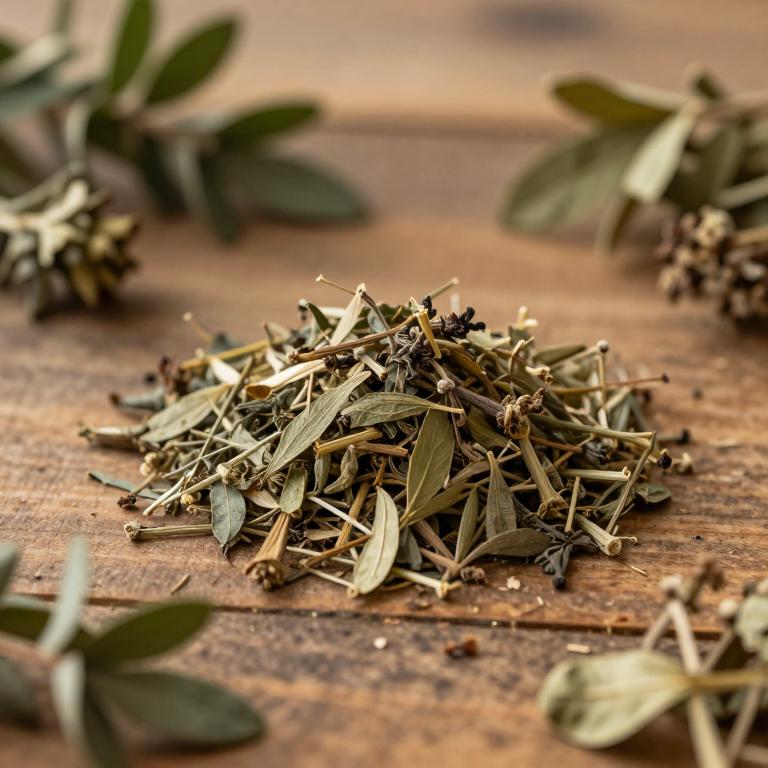
- Synonyms
- Roelana Laurifolia
- Common names
- Not available
- Family
- Erythroxylaceae
- Distribution
- Not available
- Plant Parts
- Not available
Classification
Common Names
Erythroxylum laurifolium is a distinctive botanical species known by several different names across various regions. In certain areas, it is commonly referred to as Bois de Ronde. It also carries the Czech name kokaínovník vavrínolistý, reflecting its specific taxonomic identity. These diverse common names highlight the plant's presence in both local dialects and scientific contexts. Understanding these linguistic variations is essential for anyone studying the plant's global distribution and nomenclature.
Sources: Catalogue of Life (COL)
Synonyms
Erythroxylum laurifolium is a botanical species that has undergone taxonomic revisions over time. In certain scientific literature, you may encounter it listed under the synonym Roelana laurifolia. This nomenclatural overlap often occurs as researchers refine the classification of various plant families. Understanding these naming relationships is essential for accurate identification and database consistency. Consequently, recognizing both terms ensures that botanists can track the plant across different historical records.
Sources: The World Checklist of Vascular Plants (WCVP)
Taxonomy
Erythroxylum laurifolium is a fascinating botanical specimen that belongs to the vast kingdom Plantae. Within this diverse kingdom, the plant is classified under the class Equisetopsida. It further belongs to the specific order Malpighiales, showcasing its unique evolutionary lineage. As a member of the Erythroxylaceae family, it shares characteristics with many of its close botanical relatives. Finally, its identity is defined by its placement within the Erythroxylum genus.
| Rank | Classification |
|---|---|
| Kingdom | Plantae |
| Phylum | Streptophyta |
| Class | Equisetopsida |
| Subclass | Magnoliidae |
| Order | Malpighiales |
| Family | Erythroxylaceae |
| Genus | Erythroxylum |
Sources: The World Checklist of Vascular Plants (WCVP)
Distribution
Geographic Regions
Erythroxylum laurifolium is a distinctive plant species with a specific geographic range spanning several key regions. Its distribution is primarily centered within Africa and the Western Indian Ocean. Specifically, this species can be found growing in the unique environments of Mauritius. Additionally, its presence extends to the island of Réunion, marking another significant location in its habitat. Together, these areas define the natural ecological footprint of this particular plant.
Sources: The World Checklist of Vascular Plants (WCVP)
Identification
Morphology
Erythroxylum laurifolium is characterized by its distinct growth form as a shrub.
Sources: Global Inventory of Floras and Traits (GIFT)
Biological Activities
Compounds
Conditions
Erythroxylum laurifolium demonstrates significant inhibitory potential against both α-amylase and α-glucosidase enzymes. Specifically, the methanolic extracts of this plant were found to significantly inhibit α-amylase with an efficacy comparable to acarbose. In addition to its effect on α-amylase, the plant exhibits a strong ability to inhibit α-glucosidase at concentrations of 5000 μg/mL. This inhibition of α-glucosidase is characterized by uncompetitive and mixed types of enzyme kinetics. These dual inhibitory properties suggest that Erythroxylum laurifolium possesses potent hypoglycaemic actions useful for diabetes management.
Preparations
Erythroxylum laurifolium is prepared as both aqueous and methanolic extracts for use in antidiabetic research. The study specifically evaluates the inhibitory potential of these different preparations on enzymes such as α-amylase and α-glucosidase. While both types of preparations are used, the methanolic extracts of the plant were found to be significantly more potent inhibitors of α-amylase. Furthermore, the methanolic versions demonstrated superior glucose entrapment properties compared to the aqueous extracts. These distinct preparation methods allow researchers to better understand the hypoglycaemic actions of the plant.