Erythroxylum ecarinatum
Erythroxylum ecarinatum · Accepted scientific name
Scientific literature: Very Sparse (2 studies) · ★☆☆☆☆
, scientifically known as Erythroxylum ecarinatum, is a significant medicinal plant belonging to the Erythroxylaceae family. Found primarily in tropical regions, it is valued in traditional medicine for its diverse therapeutic properties. Research focuses on its bioactive compounds, which hold potential for developing new pharmacological treatments and natural remedies.
- Family
- Not available
- Native range
- Asia-Tropical
- Parts used
- Not available
- Common names
- Not available
- Scientific synonyms
- Not available
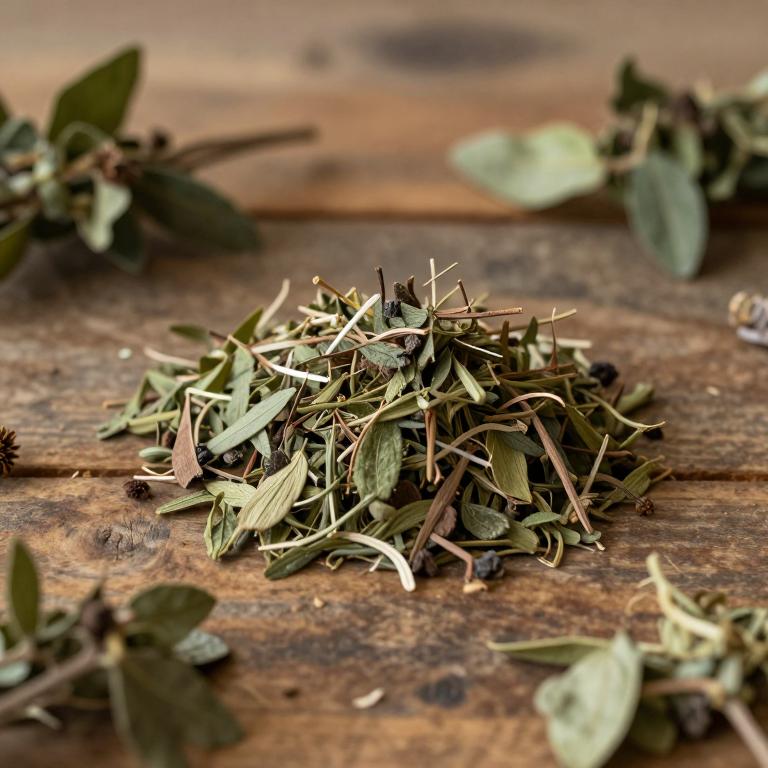
Names and Synonyms
Scientific Names
Accepted name
Erythroxylum ecarinatumDistribution
This plant exhibits a broad distribution across several key biogeographical regions in the Indo-Pacific. Within the Malesian realm, it can be found growing in the Maluku Islands and on the island of Sulawesi. Its range extends into Papuasia, where it is native to both New Guinea and the Solomon Islands. Moving further south, the species also inhabits the northern parts of the Australian continent. Specifically, it is documented as occurring within the state of Queensland.
| Region | Area |
|---|---|
| Malesia | Maluku |
| Malesia | Sulawesi |
| Papuasia | New Guinea |
| Papuasia | Solomon Is. |
| Australia | Queensland |
Sources: The World Checklist of Vascular Plants (WCVP)
Botanical Identification
Morphology
The morphology of Erythroxylum ecarinatum is characterized by its distinct growth form and structural composition. This species manifests as a tree, exhibiting a perennial life cycle consistent with its arboreal habit. In terms of its structural integrity, the plant is classified as woody, possessing a firm, lignified stem architecture that supports its upright development and overall stature within its ecological niche.
- Growth form :
- tree
- Woodiness :
- woody
Physiology
The physiology of Erythroxylum ecarinatum is characterized by its specialized metabolic processes, most notably its reliance on the C3 photosynthetic pathway. As a C3 plant, its carbon fixation process occurs primarily through the Calvin cycle, where atmospheric carbon dioxide is directly incorporated into a three-carbon molecule by the enzyme RuBisCO within the mesophyll cells. This pathway dictates the plant's resource management, influencing its water-use efficiency and transpiration rates in response to environmental light intensity and temperature. The metabolic activity of the species is finely tuned to its ecological niche, utilizing this standard photosynthetic mechanism to drive the production of organic compounds necessary for growth and the synthesis of its specific secondary metabolites.
- Photosynthetic pathway :
- C3
Reproduction
The reproduction of Erythroxylum ecarinatum is characterized by the production of seeds that exhibit significant morphological variability in terms of weight. Quantitative analysis of the seed mass reveals a broad distribution range, with a calculated mean seed mass of 0.029705 g. Within the population, individual seed weights fluctuate considerably, reaching a maximum recorded value of 0.052 g and a minimum value of 0.00741 g. This variance in seed mass suggests a diverse range of nutrient allocation or developmental stages during the reproductive process of the species.
- Seed mass max:
- 0.052 g
- Seed mass mean:
- 0.029705 g
- Seed mass min:
- 0.00741 g
Sources: Global Inventory of Floras and Traits (GIFT)
Chemicals
Erythroxylum ecarinatum has 2 reported phytochemicals identified across 0 scientific publications and several other databases. The most consistently reported chemicals include Cinnamoylcocaine, beta-Cocaine.
| Chemical | Supporting sources | Consensus |
|---|---|---|
| Cinnamoylcocaine | 1 supporting sources | ★☆☆☆☆ |
| beta-Cocaine | 1 supporting sources | ★☆☆☆☆ |
Cinnamoylcocaine
- Dr. Duke
beta-Cocaine
- Dr. Duke