Erythroxylum cuneatum
Erythroxylum cuneatum · Accepted scientific name
Scientific literature: Very Sparse (15 studies) · ★☆☆☆☆
, scientifically known as Erythroxylum cunatum, is a significant medicinal shrub native to South America. Often found in tropical rainforests, this species belongs to the Erythroxylaceae family. It is primarily studied for its complex alkaloid content, which holds potential importance in pharmacological research regarding neurological and stimulant properties.
- Family
- Erythroxylaceae
- Native range
- Asia-Tropical
- Parts used
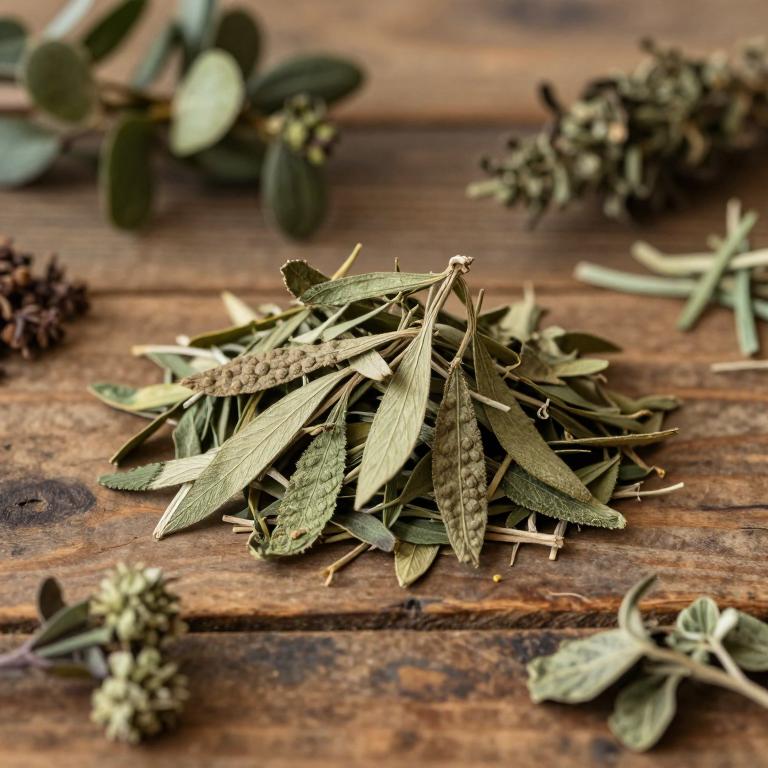
- Leaf
- Common names
- Not available
- Scientific synonyms
- Erythroxylum Cuneatum F. Sumatranum · Erythroxylum Latifolium Var. Longipetiolatum · 13 more
Names and Synonyms
Scientific Names
Accepted name
Erythroxylum cuneatumSynonyms
- Erythroxylum cuneatum f. sumatranum
- Erythroxylum latifolium var. longipetiolatum
- Erythroxylum platyphyllum
- Erythroxylum longistipulatum
- Urostigma cuneatum
- Erythroxylum latifolium var. angustatum
- Erythroxylum densinerve
- Erythroxylum latifolium
- Erythroxylum iwahigense
- Erythroxylum iwahigense f. calcicola
- Erythroxylum retusum
- Erythroxylum bancanum
- Erythroxylum borneense
- Erythroxylum burmanicum
- Erythroxylum sumatranum
Sources: Wikidata
Taxonomical Classification
This plant belongs to the kingdom Plantae and is classified under the phylum Streptophyta within the class Equisetopsida. As a member of the subclass Magnoliidae and the order Malpighiales, it is situated in the family Erythroxylaceae. Finally, it is identified by the genus name Erythroxylum.
| Rank | Classification |
|---|---|
| Kingdom | Plantae |
| Phylum | Streptophyta |
| Class | Equisetopsida |
| Subclass | Magnoliidae |
| Order | Malpighiales |
| Family | Erythroxylaceae |
| Genus | Erythroxylum |
Sources: The World Checklist of Vascular Plants (WCVP)
Distribution
This plant, Erythroxylum cuneatum, exhibits a specific geographical range throughout the Indo-China region. Its distribution spans several key countries, including Cambodia, Myanmar, Thailand, and Vietnam. Beyond the mainland, the species can also be found growing on the Andaman Islands. These varied locations highlight its presence across diverse tropical environments within Southeast Asia. Consequently, its habitat is well-defined by these specific Indo-Chinese territories.
| Region | Area |
|---|---|
| Indo-China | Andaman Is. |
| Indo-China | Cambodia |
| Indo-China | Myanmar |
| Indo-China | Thailand |
| Indo-China | Vietnam |
| Malesia | Borneo |
| Malesia | Jawa |
| Malesia | Lesser Sunda Is. |
| Malesia | Malaya |
| Malesia | Maluku |
Sources: The World Checklist of Vascular Plants (WCVP)
Botanical Identification
Morphology
The morphology of Erythroxylum cuneatum is characterized by its robust growth form as a woody tree, reaching a maximum plant height of approximately 30 meters. Although it exhibits traits consistent with self-supporting lianas or vines in certain contexts, its primary structural development is that of a large, woody perennial. As a terrestrial organism, it does not function as an epiphyte, maintaining its development within the soil substrate rather than growing upon other plants. Its physical structure is defined by its significant height and substantial woodiness, distinguishing it from herbaceous or shrubby species.
- Climber :
- self-supporting
- Epiphyte :
- terrestrial
- Growth form :
- tree
- Plant height max:
- 30 m
- Woodiness :
- woody
Physiology
The physiology of Erythroxylum cunatum is characterized by a metabolic framework centered around the C3 photosynthetic pathway. As a C3 plant, its carbon fixation process relies on the direct carboxylation of ribulose-1,5-bisphosphate (RuBP) by the enzyme RuBisCO, leading to the immediate production of 3-phosphoglycerate within the mesophyll cells. This pathway dictates the plant's gas exchange dynamics and water-use efficiency, as it lacks the specialized Kranz anatomy or temporal separation of CO2 fixation found in C4 or CAM species. Consequently, its physiological performance is closely tied to environmental variables such as light intensity, temperature, and moisture availability, which influence the rate of transpiration and the potential for photorespiration during periods of high thermal or water stress.
- Photosynthetic pathway :
- C3
Sources: Global Inventory of Floras and Traits (GIFT)
Plant Parts
Erythroxylum cuneatum has 1 reported plant parts identified across 1 scientific publications and several other databases that are studied for medicinal purposes. The most consistently reported plant part include leaf.
| Plant part | Supporting sources | Consensus |
|---|---|---|
| Leaf | 1 supporting sources | ★☆☆☆☆ |
Leaf
- Heliyon
Chemicals
Erythroxylum cuneatum has 7 reported phytochemicals identified across 1 scientific publications and several other databases. The most consistently reported chemicals include (+)-catechin, (6S,9R)-roseoside, Apocynol B, Cinnamoylcocaine, Citroside A.
| Chemical | Supporting sources | Consensus |
|---|---|---|
| (+)-catechin | 1 supporting sources | ★☆☆☆☆ |
| (6S,9R)-roseoside | 1 supporting sources | ★☆☆☆☆ |
| Apocynol B | 1 supporting sources | ★☆☆☆☆ |
| Cinnamoylcocaine | 1 supporting sources | ★☆☆☆☆ |
| Citroside A | 1 supporting sources | ★☆☆☆☆ |
| Quercetin 3-O-alpha-L-rhamnoside | 1 supporting sources | ★☆☆☆☆ |
| beta-Cocaine | 1 supporting sources | ★☆☆☆☆ |
(+)-catechin
- Journal of Asian natural products research
(6S,9R)-roseoside
- Journal of Asian natural products research
Apocynol B
- Journal of Asian natural products research
Cinnamoylcocaine
- Dr. Duke
Citroside A
- Journal of Asian natural products research
Quercetin 3-O-alpha-L-rhamnoside
- Journal of Asian natural products research
beta-Cocaine
- Dr. Duke
Activities
Erythroxylum cuneatum has 1 reported activities identified across 1 scientific publications and several other databases. The most consistently reported activities include Antioxidant.
| Activity | Supporting sources | Consensus |
|---|---|---|
| Antioxidant | 1 supporting sources | ★☆☆☆☆ |
Antioxidant
- Heliyon
Conditions
Erythroxylum cuneatum has 1 reported investigations on conditions identified across 1 scientific publications and several other databases. The most consistently reported conditions include edema.
| Condition | Supporting sources | Consensus |
|---|---|---|
| Edema | 1 supporting sources | ★☆☆☆☆ |
Edema
- Heliyon
Preparations
Erythroxylum cuneatum has 2 reported preparations identified across 1 scientific publications and several other databases. The most consistently reported preparations include 50% ethanolic extracts, alkaloid leaf extract.
| Preparation | Supporting sources | Consensus |
|---|---|---|
| 50% ethanolic extracts | 1 supporting sources | ★☆☆☆☆ |
| Alkaloid leaf extract | 1 supporting sources | ★☆☆☆☆ |
50% ethanolic extracts
- Fitoterapia
Alkaloid leaf extract
- Heliyon