Eryngium triquetrum subsp. triquetrum
Eryngium triquetrum subsp. triquetrum · Accepted scientific name
Scientific literature: Very Sparse (2 studies) · ★☆☆☆☆
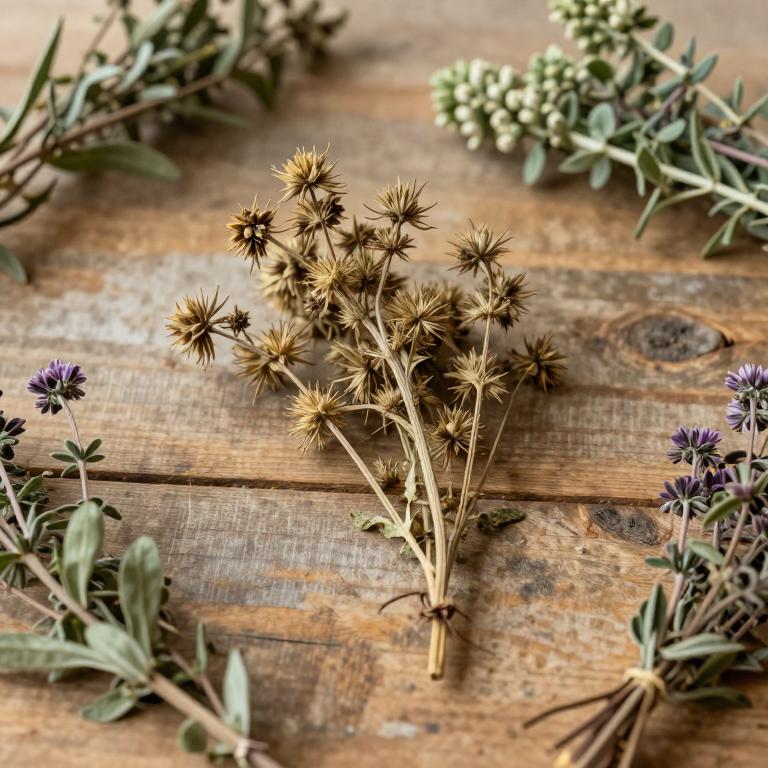
, scientifically known as Eryngium triquetrum subsp. triquetrum, is a distinctive maritime plant native to coastal regions. Often referred to as sea eryngo, this hardy species is valued in traditional medicine for its bioactive compounds. Its robust, spiny structure and unique chemical properties offer significant potential for therapeutic applications.
- Family
- Apiaceae
- Native range
- Europe
- Parts used
- Not available
- Common names
- Not available
- Scientific synonyms
- Not available
Names and Synonyms
Scientific Names
Accepted name
Eryngium triquetrum subsp. triquetrumSources: Wikidata
Taxonomical Classification
This plant belongs to the kingdom Plantae and is classified under the phylum Streptophyta and the class Equisetopsida. Within the subclass Magnoliidae, it is organized under the order Apiales and the family Apiaceae. Finally, its specific taxonomic identity is defined by the genus Eryngium.
| Rank | Classification |
|---|---|
| Kingdom | Plantae |
| Phylum | Streptophyta |
| Class | Equisetopsida |
| Subclass | Magnoliidae |
| Order | Apiales |
| Family | Apiaceae |
| Genus | Eryngium |
Sources: The World Checklist of Vascular Plants (WCVP)
Distribution
This plant exhibits a specific geographical distribution concentrated within the Mediterranean region. In Southeastern Europe, it can be found growing in Italy and the island of Sicilia. Its range extends across Northern Africa to include the country of Algeria. Additionally, the species is present within the borders of Morocco. Finally, it is also documented to inhabit the coastal areas of Tunisia.
| Region | Area |
|---|---|
| Southeastern Europe | Italy |
| Southeastern Europe | Sicilia |
| Northern Africa | Algeria |
| Northern Africa | Morocco |
| Northern Africa | Tunisia |
Sources: The World Checklist of Vascular Plants (WCVP)
Activities
Eryngium triquetrum subsp. triquetrum has 2 reported activities identified across 0 scientific publications and several other databases. The most consistently reported activities include Antimutagenic, Hepatoprotective.
| Activity | Supporting sources | Consensus |
|---|---|---|
| Antimutagenic | 1 supporting sources | ★☆☆☆☆ |
| Hepatoprotective | 1 supporting sources | ★☆☆☆☆ |
Antimutagenic
- Journal of ethnopharmacology
Hepatoprotective
- Journal of ethnopharmacology
Preparations
Eryngium triquetrum subsp. triquetrum has 3 reported preparations identified across 0 scientific publications and several other databases. The most consistently reported preparations include aqueous extracts prepared as for the traditional use (tea), ethanolic extracts, water-soluble powder extracts.
| Preparation | Supporting sources | Consensus |
|---|---|---|
| Aqueous extracts prepared as for the traditional use (tea) | 1 supporting sources | ★☆☆☆☆ |
| Ethanolic extracts | 1 supporting sources | ★☆☆☆☆ |
| Water-soluble powder extracts | 1 supporting sources | ★☆☆☆☆ |
Aqueous extracts prepared as for the traditional use (tea)
- Journal of ethnopharmacology
Ethanolic extracts
- Journal of ethnopharmacology
Water-soluble powder extracts
- Evidence-based complementary and alternative medicine : eCAM