Eryngium aquaticum var. floridanum
Eryngium aquaticum var. floridanum · Accepted scientific name
Scientific literature: Extensive (184 studies) · ★★★★☆
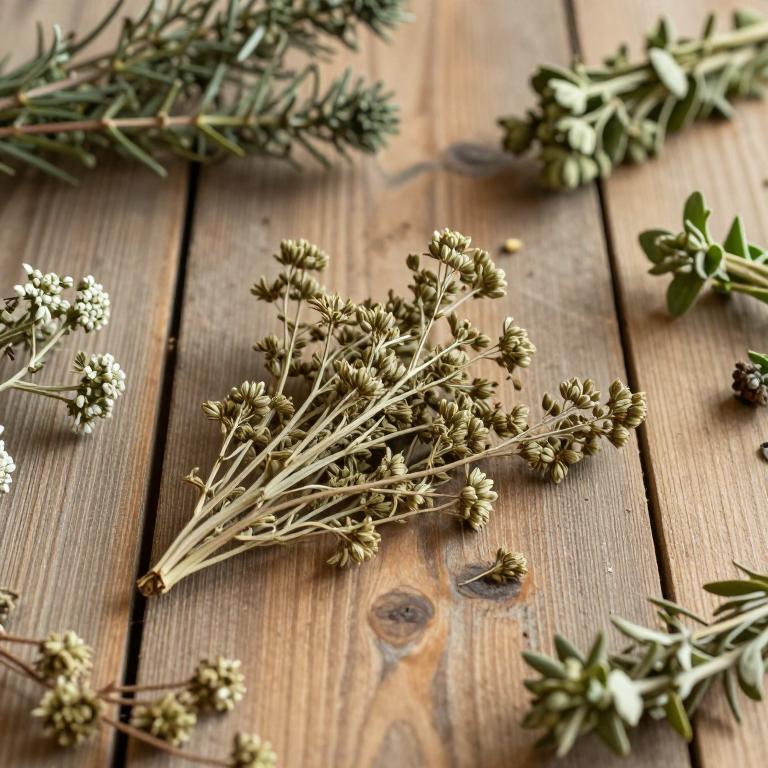
, scientifically known as Eryngium aquaticum var. floridanum, is a specialized aquatic herb valued for its unique botanical properties. Often found in wetland ecosystems, this variety possesses distinct medicinal potential. Understanding its bioactive compounds offers promising insights into traditional healing practices and modern pharmacological research within aquatic plant studies.
- Family
- Not available
- Native range
- Northern America
- Parts used
- Not available
- Common names
- Not available
- Scientific synonyms
- Not available
Names and Synonyms
Scientific Names
Accepted name
Eryngium aquaticum var. floridanumDistribution
This plant exhibits a very restricted geographical range within the United States. It is specifically native to the southeastern portion of the country. Within this region, its occurrence is limited to the state of Florida. Because of this localized presence, it is considered a regional specialist. Finding this particular variety requires searching within specific Florida ecosystems.
| Region | Area |
|---|---|
| Southeastern U.S.A. | Florida |
Sources: The World Checklist of Vascular Plants (WCVP)
Chemicals
Eryngium aquaticum var. floridanum has 10 reported phytochemicals identified across 0 scientific publications and several other databases. The most consistently reported chemicals include Ash, CALCIUM, FAT, IRON, PHOSPHORUS.
| Chemical | Supporting sources | Consensus |
|---|---|---|
| Ash | 1 supporting sources | ★☆☆☆☆ |
| CALCIUM | 1 supporting sources | ★☆☆☆☆ |
| FAT | 1 supporting sources | ★☆☆☆☆ |
| IRON | 1 supporting sources | ★☆☆☆☆ |
| PHOSPHORUS | 1 supporting sources | ★☆☆☆☆ |
| ascorbic acid | 1 supporting sources | ★☆☆☆☆ |
| niacin | 1 supporting sources | ★☆☆☆☆ |
| riboflavin | 1 supporting sources | ★☆☆☆☆ |
| thiamin | 1 supporting sources | ★☆☆☆☆ |
| water | 1 supporting sources | ★☆☆☆☆ |
Ash
- Dr. Duke
CALCIUM
- Dr. Duke
FAT
- Dr. Duke
IRON
- Dr. Duke
PHOSPHORUS
- Dr. Duke
ascorbic acid
- Dr. Duke
niacin
- Dr. Duke
riboflavin
- Dr. Duke
thiamin
- Dr. Duke
water
- Dr. Duke
Activities
Eryngium aquaticum var. floridanum has 174 reported activities identified across 0 scientific publications and several other databases. The most consistently reported activities include Acidulant, Aldose-Reductase-Inhibitor, Allergenic, Analgesic, Angiotensin-Receptor-Blocker.
| Activity | Supporting sources | Consensus |
|---|---|---|
| Acidulant | 1 supporting sources | ★☆☆☆☆ |
| Aldose-Reductase-Inhibitor | 1 supporting sources | ★☆☆☆☆ |
| Allergenic | 1 supporting sources | ★☆☆☆☆ |
| Analgesic | 1 supporting sources | ★☆☆☆☆ |
| Angiotensin-Receptor-Blocker | 1 supporting sources | ★☆☆☆☆ |
| AntiAGE | 1 supporting sources | ★☆☆☆☆ |
| AntiCFS | 1 supporting sources | ★☆☆☆☆ |
| AntiCTS | 1 supporting sources | ★☆☆☆☆ |
| AntiCrohn's | 1 supporting sources | ★☆☆☆☆ |
| AntiLyme | 1 supporting sources | ★☆☆☆☆ |
Acidulant
- Dr. Duke
Aldose-Reductase-Inhibitor
- Dr. Duke
Allergenic
- Dr. Duke
Analgesic
- Dr. Duke
Angiotensin-Receptor-Blocker
- Dr. Duke
AntiAGE
- Dr. Duke
AntiCFS
- Dr. Duke
AntiCTS
- Dr. Duke
AntiCrohn's
- Dr. Duke
AntiLyme
- Dr. Duke