Eriophyllum confertiflorum
Eriophyllum confertiflorum · Accepted scientific name
Scientific literature: Very Sparse (1 studies) · ★☆☆☆☆
Eriophyllum confertiflorum, commonly known as the frequent-flowered woolly sunflower, is a resilient wildflower native to various western North American habitats. This species is characterized by its dense, hairy foliage and bright, sun-loving blossoms. Beyond its aesthetic appeal in natural landscapes, recent scientific investigations have explored the plant's complex chemical profile. Notably, research has highlighted its potential antileukemic activities, suggesting significant pharmacological value. Understanding these biological properties may open new doors for medicinal advancements derived from this botanical specimen.
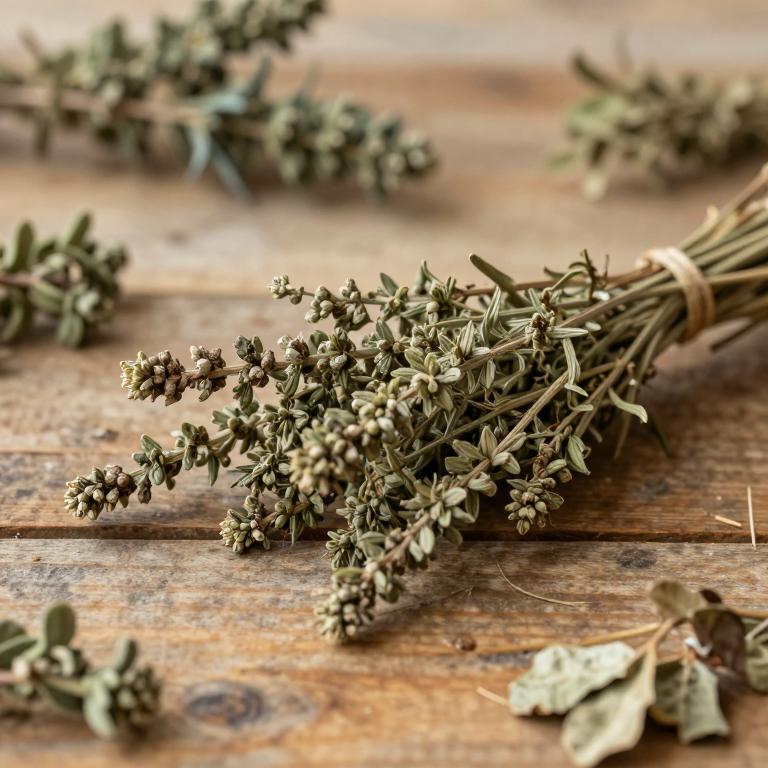
- Synonyms
- Bahia Confertiflora
- Common names
- Not available
- Family
- Not available
- Distribution
- Not available
- Plant Parts
- Not available
Classification
Common Names
Eriophyllum confertiflorum is a versatile plant recognized by a wide variety of regional names. It is most frequently identified by its common name, Golden Yarrow, though it is often referred to as golden-yarrow or yellow-yarrow. Depending on the local dialect, some may also call it golden or yellow yarrow to describe its vibrant hues. Interestingly, it is also known by the name Girasol lanudo in certain contexts. These diverse naming conventions reflect the plant's widespread presence and botanical charm.
Sources: Catalogue of Life (COL)
Synonyms
Eriophyllum confertiflorum is a distinctive plant species often recognized in botanical literature by its alternative nomenclature. It is formally identified by the synonym Bahia confertiflora, a name that appears frequently in older scientific records. Understanding this taxonomic connection is essential for researchers tracking the plant's evolutionary history and distribution. While the names may differ, they both refer to the same unique organism within the Asteraceae family. Recognizing these synonymous relationships ensures accuracy when documenting the biodiversity of its natural habitat.
Sources: The World Checklist of Vascular Plants (WCVP)
Distribution
Geographic Regions
Eriophyllum confertiflorum is a resilient plant species with a broad geographic footprint across much of North America. Its natural range extends significantly southward into Mexico, including the specific regions of Northwest Mexico. Within the United States, the plant is prominently distributed throughout the Southwestern states. It maintains a particularly strong presence across the diverse landscapes of California. This wide distribution highlights the plant's ability to thrive in various ecological niches across the continent.
Sources: The World Checklist of Vascular Plants (WCVP)
Identification
Morphology
Eriophyllum confertiflorum grows in a distinct shrub form, providing a sturdy and well-defined presence in its habitat. As a self-supporting plant, it maintains its structure independently without the need for external assistance.
Sources: Global Inventory of Floras and Traits (GIFT)
Biological Activities
Eriophyllum confertiflorum has demonstrated significant antileukemic activity through its diverse range of germacranolides. Recent studies investigated these compounds using standard tumor systems to pinpoint the specific structural features required for in vivo efficacy. Researchers identified that an alpha,beta-unsaturated ester side chain situated adjacent to the gamma-lactone is a vital component. Furthermore, the presence of either a primary or secondary allylic alcohol, or a combination of both, appears to be essential for this biological response. These findings provide critical insights into the structure-activity relationships necessary for developing potent medicinal derivatives from the plant.
Compounds
Conditions
Eriophyllum confertiflorum contains germacranolides that demonstrate medicinal potential against specific tumor systems. Research indicates that this plant effectively treats KB tumor cells through its bioactive compounds. It also shows a therapeutic effect when used to treat PS tumor systems. The efficacy of these treatments depends on specific structural features like an alpha,beta-unsaturated ester side chain. These identified moieties are essential for the plant's demonstrated antileukemic activity against both KB and PS.