Eriogonum
Eriogonum · Accepted scientific name
Scientific literature: Very Sparse (0 studies) · ★☆☆☆☆
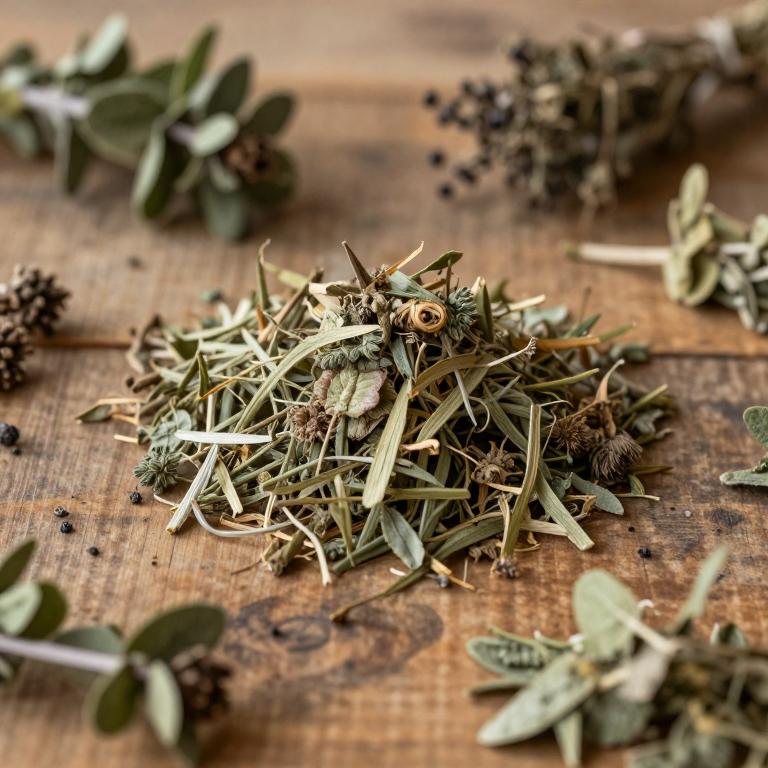
Eriogonum, commonly known as buckwheat, is a diverse genus of flowering plants found across various habitats in the Americas. These resilient perennials are highly valued by pollinators, providing essential nectar for bees, butterflies, and other beneficial insects. Many species within this group are adapted to arid environments, showcasing remarkable endurance in challenging soil conditions. Beyond their ecological importance, certain varieties hold significant cultural and medicinal value in indigenous traditions. Whether growing in wild meadows or curated gardens, buckwheat adds unique textures and subtle beauty to the landscape.
- Synonyms
- Pterogonum · Sanmartinia · 2 more
- Common names
- Not available
- Family
- Polygonaceae
- Distribution
- Not available
- Plant Parts
- Not available
Classification
Common Names
Eriogonum is a diverse genus of plants most commonly recognized by the general name buckwheat. Within specific regional contexts, these species are often referred to as buckwheats to denote their variety. The plant holds significant cultural importance, known by names such as Bisnideeshchii and Le'etsoh yiljaa'i. In certain locales, it is also affectionately called Flores de borrego. These various names reflect the deep linguistic and ecological connections shared between the plant and the people who encounter it.
Sources: Catalogue of Life (COL)
Synonyms
Eriogonum represents a complex botanical genus that encompasses several historical classifications. Taxonomic revisions have revealed that various groups once considered distinct are actually closely related. For instance, the genera Espinosa and Eucycla are recognized as synonyms within this broader family. Similarly, the names Pterogonum and Sanmartinia have been integrated into the Eriogonum lineage through updated scientific consensus. Understanding these shifting relationships is essential for anyone studying the true diversity of these plants.
Sources: The World Checklist of Vascular Plants (WCVP)
Taxonomy
Eriogonum belongs to the diverse kingdom Plantae, representing a unique lineage within the natural world. This plant is classified under the class Equisetopsida and falls within the specific order Caryophyllales. As a member of the Polygonaceae family, it shares structural characteristics with many other notable species in its group. The botanical identity is further defined by its placement within the genus Eriogonum. Understanding these taxonomic relationships provides essential insight into the evolutionary history of this fascinating organism.
| Rank | Classification |
|---|---|
| Kingdom | Plantae |
| Phylum | Streptophyta |
| Class | Equisetopsida |
| Subclass | Magnoliidae |
| Order | Caryophyllales |
| Family | Polygonaceae |
| Genus | Eriogonum |
Sources: The World Checklist of Vascular Plants (WCVP)
Distribution
Geographic Regions
Eriogonum exhibits a vast and diverse geographic range that spans across much of Northern America. Within Mexico, this genus establishes a significant presence across several distinct regions. Its distribution extends through the Mexican Pacific Islands and reaches deep into the Mexico Central territory. Furthermore, the plant is widely found throughout the Mexico Northeast and Mexico Northwest areas. This widespread occurrence is completed by its ability to thrive within the Mexico Southwest region.
Sources: The World Checklist of Vascular Plants (WCVP)
Identification
Biological Activities
Compounds
Conditions
Preparations
Eriogonum is prepared as buckwheat, a dietary pollen type identified within the intestinal contents of a high-ranking Korean general. This specific relationship is highlighted through forensic palynological analysis of a historical coprolite. The presence of these grains suggests that buckwheat was part of the decedent's nutritional intake. By categorizing Eriogonum as an economic pollen type, researchers can reconstruct the dietary habits of the individual. Consequently, the identification of this plant provides vital evidence regarding the food consumed during the 16th or 17th centuries.