Erigeron
Erigeron · Accepted scientific name
Scientific literature: Very Sparse (0 studies) · ★☆☆☆☆
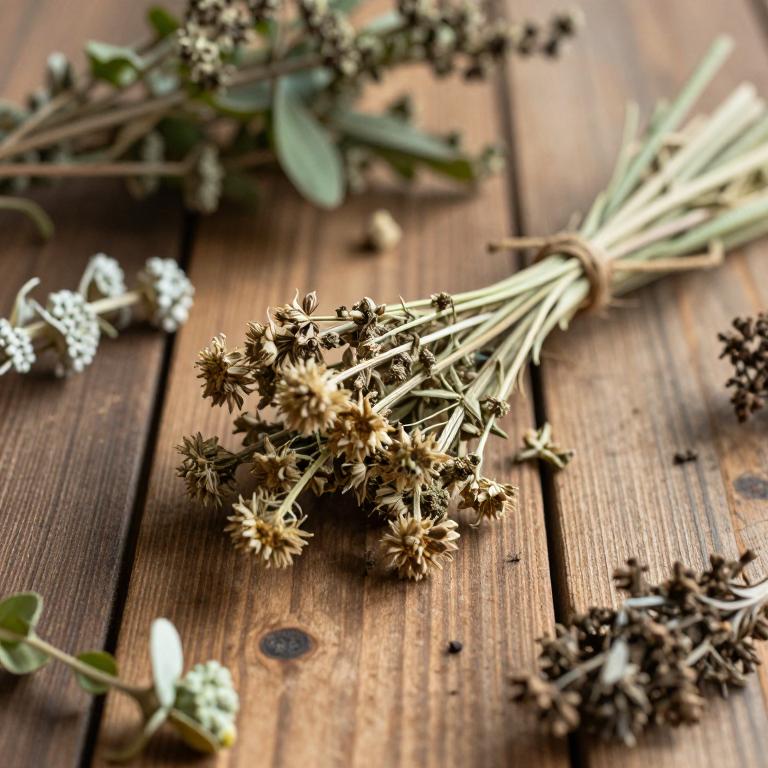
Erigeron is a diverse genus of flowering plants commonly known as fleabanes. These resilient perennials are celebrated for their delicate, daisy-like blooms that often feature numerous thin petals. Beyond their aesthetic appeal, these plants possess a complex biochemical profile. Scientific analysis has identified key sugars within their composition, including arabinose, galactose, glucose, and xylose. Understanding these chemical components offers valuable insight into the biological makeup of this widespread botanical group.
- Synonyms
- × Conygeron · Polyactidium · 18 more
- Common names
- Not available
- Family
- Asteraceae
- Distribution
- Australasia
- Plant Parts
- Not available
Classification
Common Names
Erigeron is a diverse genus of plants known by several distinct common names across different regions and languages. In certain areas, it is referred to as Achaetogeron, reflecting its specific botanical classifications. Danish speakers often identify the plant as Bakkestjerne or Bakkestjerne (Erigeron-slægten) when encountering it in the wild. Moving into German-speaking territories, the genus is frequently called Berufkraut or Berufkräuter. These varied names highlight the wide cultural and linguistic reach of this widespread flowering plant.
Sources: Catalogue of Life (COL)
Synonyms
Erigeron is a diverse genus that has historically been subject to various taxonomic reclassifications. Throughout botanical history, several names have been utilized as synonyms for this group, including Achaetogeron and Asterigeron. Researchers have also documented connections to the names Astradelphus and Caenotus within older literature. Furthermore, the genus has shared nomenclature with Conyza, reflecting the evolving nature of plant classification. Understanding these various synonyms is essential for navigating the complex lineage of this widespread plant.
Sources: The World Checklist of Vascular Plants (WCVP)
Taxonomy
Erigeron belongs to the vast kingdom Plantae, encompassing a diverse array of living organisms. Within this kingdom, the plant is classified under the class Equisetopsida. It further falls into the order Asterales, a group that highlights its evolutionary connections. As a member of the family Asteraceae, it shares common traits with many familiar flowering species. Ultimately, its specific identity is defined by its placement within the genus Erigeron.
| Rank | Classification |
|---|---|
| Kingdom | Plantae |
| Phylum | Streptophyta |
| Class | Equisetopsida |
| Subclass | Magnoliidae |
| Order | Asterales |
| Family | Asteraceae |
| Genus | Erigeron |
Sources: The World Checklist of Vascular Plants (WCVP)
Distribution
Geographic Regions
Erigeron displays a diverse geographical distribution that spans across several distinct regions of the African continent. Within East Tropical Africa, the genus can be found thriving in the landscapes of Kenya, Tanzania, and Uganda. Beyond the mainland, its presence extends to the Atlantic islands located in the Macaronesia region. Specifically, populations are established within the Azores and throughout the Canary Islands. This wide range highlights the plant's ability to adapt to varied island and continental environments.
Sources: The World Checklist of Vascular Plants (WCVP)
Identification
Biological Activities
Compounds
Erigeron canadensis contains a unique polyphenolic polysaccharide-protein complex that plays a significant role in its medicinal properties. Detailed chemical analysis reveals that the neutral carbohydrate portion of this complex is composed of several key sugars. Specifically, Erigeron contains arabinose, which makes up a substantial 24.1% of these residues. Additionally, the plant contains galactose, glucose, and xylose, contributing to the overall structural integrity of its polysaccharides. These specific carbohydrate components help form major polysaccharides like arabinogalactan, which support the plant's observed antitussive effects.