Erica verticillata
Erica verticillata · Accepted scientific name
Scientific literature: Very Sparse (2 studies) · ★☆☆☆☆
Erica verticillata is a botanical species that has gained scientific interest due to its significant therapeutic potential. Research focusing on the methanol leaf extract has identified the presence of the chemical compound Lup-20(29)-en-3-one. This specific leaf extract, often prepared as EMACN/W, demonstrates potent antioxidant and hypolipidemic activities. These biological properties suggest that the plant may play a crucial role in combating oxidative stress and lipid peroxidation. Consequently, studying this plant offers promising avenues for addressing complex health issues such as liver disease.
- Synonyms
- Syringodea Concinna · Erica Paludosa · 11 more
- Common names
- Not available
- Family
- Ericaceae
- Distribution
- Not available
- Plant Parts
- Leaf
Classification
Common Names
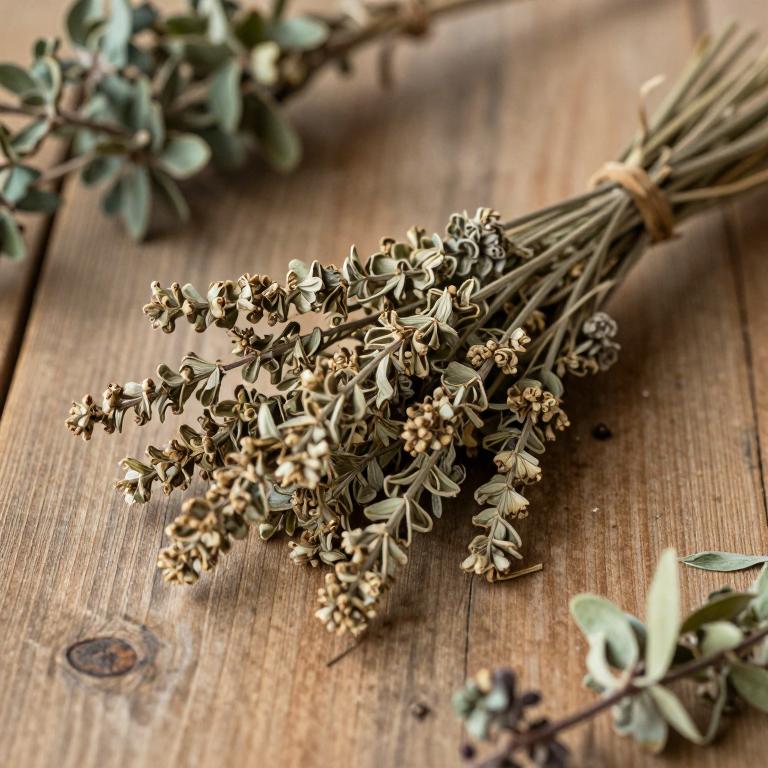
Erica verticillata is a distinctive shrub widely recognized by its common name, the whorled heath. This plant is characterized by its unique arrangement of small leaves that encircle the stems in organized clusters. Thriving in specific ecological niches, it adds a delicate texture to any natural landscape it inhabits. Gardeners and botanists alike appreciate its ability to bring a sense of structural elegance to heathland environments. Understanding its growth patterns is essential for anyone looking to cultivate this charming species successfully.
Sources: Catalogue of Life (COL)
Synonyms
Erica verticillata is a complex botanical subject that has been documented under several different scientific names throughout history. Taxonomists have previously identified this species using synonyms such as Callista verecunda and Erica concinna. Furthermore, the plant has been categorized in various studies as Erica cretica and Erica metuliflora. Historical records also link it to the name Erica meuronii, adding to its extensive nomenclatural heritage. Understanding these shifting relationships is essential for accurately identifying the species in modern botanical research.
Sources: The World Checklist of Vascular Plants (WCVP)
Taxonomy
Erica verticillata is a distinctive botanical specimen that belongs to the vast kingdom Plantae. Within this kingdom, the plant is classified under the class Equisetopsida. It further resides in the order Ericales, showcasing its specific evolutionary placement. As a member of the Ericaceae family, it shares characteristics with many other well-known heathland species. Ultimately, this plant is defined by its placement within the diverse genus Erica.
| Rank | Classification |
|---|---|
| Kingdom | Plantae |
| Phylum | Streptophyta |
| Class | Equisetopsida |
| Subclass | Magnoliidae |
| Order | Ericales |
| Family | Ericaceae |
| Genus | Erica |
Sources: The World Checklist of Vascular Plants (WCVP)
Distribution
Geographic Regions
Erica verticillata is a distinctive plant species primarily found within the vast landscapes of Africa. Its natural range is concentrated largely in the southern regions of the continent, where it thrives in specific ecological niches. Within this territory, the Cape Provinces serve as a key stronghold for its population. This geographic distribution highlights the plant's specialized connection to the unique climates of the southern African terrain. Understanding these specific locations is essential for anyone studying the botanical diversity of the region.
Sources: The World Checklist of Vascular Plants (WCVP)
Identification
Morphology
Erica verticillata is a self-supporting plant that naturally adopts a shrub-like growth form. This hardy species is characterized by its compact structure and sturdy stems. Under optimal conditions, it can reach a maximum height of approximately 1.79 meters.
Sources: Global Inventory of Floras and Traits (GIFT)
Biological Activities
Erica verticillata demonstrates significant therapeutic potential through its diverse biological activities. Research indicates that this plant possesses notable antioxidant properties that help combat oxidative stress. Additionally, it exhibits strong hypolipidemic activity, which is essential for managing elevated lipid levels. These combined effects suggest that the plant can play a protective role against disorders linked to hyperlipidemia and liver damage. Consequently, such findings support the use of its extracts as natural adjuvants in modern health treatments.
Compounds
Erica verticillata is closely related to species like Erica multiflora, which serves as a significant source of the bioactive compound lupenone. Scientific research has demonstrated that this specific component, lup-20(29)-en-3-one, plays a critical role in stimulating melanogenesis. By inhibiting the activation of ERK1/2, lupenone effectively increases tyrosinase expression at both the transcriptional and translational levels. This unique mechanism allows for an increase in melanin content without causing cytotoxicity to the cells. Consequently, these findings suggest that extracts containing lupenone could offer a promising therapeutic approach for managing hypopigmentation disorders.
Conditions
Erica verticillata, specifically through its methanol leaf extract, effectively treats the Coronary Risk Index (CRI) and the atherogenic index (AI) in hyperlipidemic models. The plant also serves to treat DNA damages and altered antioxidant enzyme profiles caused by oxidative stress. Furthermore, the active component lupenone within the plant's extract can be used to treat hypopigmentation diseases by stimulating melanogenesis. These diverse therapeutic properties demonstrate the plant's significant potential in managing both metabolic and dermatological conditions.
Preparations
Erica verticillata is prepared as EMACN/W, which refers to an acetonitrile/water extract fraction used in studies regarding cytotoxicity. The plant is also prepared as a leaf extract, a form utilized to investigate bioactive components like lupenone for melanogenesis stimulation. Additionally, the species is prepared as a methanol leaf extract, denoted as M-EML, to assess its hypolipidemic and anti-inflammatory properties. These various preparation methods allow researchers to isolate specific compounds for different medicinal applications. Through these different extraction processes, the biological potential of the plant can be thoroughly evaluated.
Parts used
Erica verticillata belongs to a diverse botanical group where specific anatomical parts, such as the leaf, are frequently utilized for their medicinal properties. In related species like Erica multiflora, the leaf serves as a rich source of bioactive compounds that offer significant health benefits. For instance, methanol extracts from these leaves have demonstrated powerful antioxidant and anti-inflammatory effects against hyperlipidemia. Additionally, specific components found within the leaf extract can stimulate melanogenesis, offering potential therapeutic pathways for treating hypopigmentation disorders. These findings highlight how the leaf of the Erica genus serves as a vital resource for both metabolic and dermatological research.