Eremostachys rotata
Eremostachys rotata · Accepted scientific name
Scientific literature: Very Sparse (9 studies) · ★☆☆☆☆
Eremostachys rotata is a botanical species recognized for its diverse range of therapeutic activities, including analgesic, antioxidant, antitumor, and hemostatic properties. The medicinal potential of this plant is primarily derived from its leaves and roots, which serve as rich sources of bioactive compounds. Key chemical constituents found within these parts include flavonoids, glabrene, chrysosplenol D, and 2,3-secoporrigenin. Due to these unique phytochemicals, the plant is frequently studied for its ability to manage pain, combat oxidative stress, and control bleeding. Consequently, Eremostachys rotata holds significant interest in pharmacological research for its multifaceted health benefits.
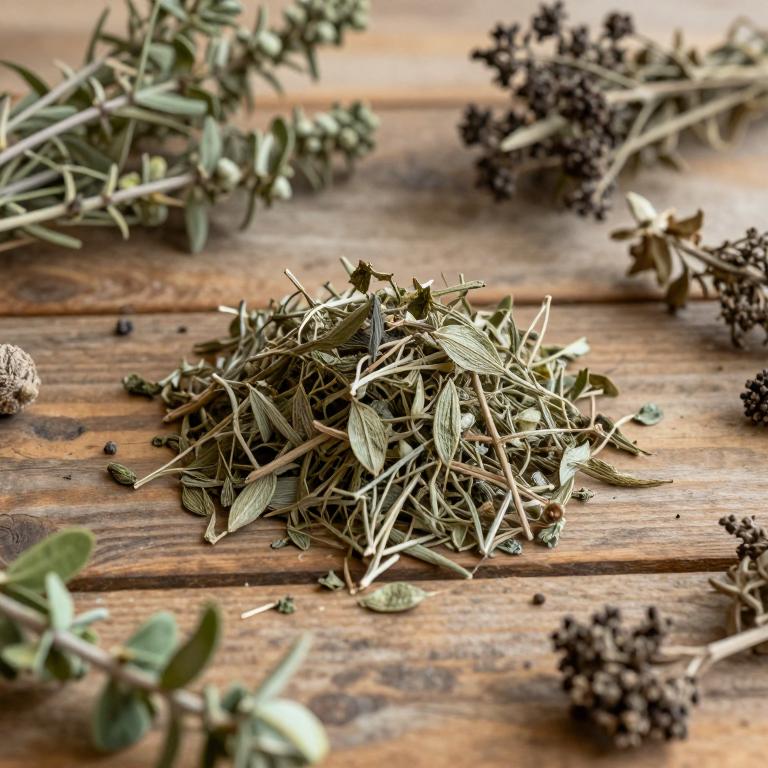
- Synonyms
- Not available
- Common names
- Not available
- Family
- Lamiaceae
- Distribution
- Not available
- Plant Parts
- Leaf · Root
Classification
Common Names
Eremostachys rotata is a unique botanical species known by several distinct names across different regions and languages. In certain botanical circles, it is commonly referred to as Common Lamiophlomis. It also holds a significant place in traditional contexts, where it is identified by the name 独一味. This same designation can be found written in its traditional form as 獨一味. Understanding these various linguistic labels is essential for anyone studying the plant's diverse cultural and scientific identity.
Sources: Catalogue of Life (COL)
Synonyms
Eremostachys rotata is a plant recognized by several scientific synonyms that reflect its complex taxonomic history. It is frequently referred to under the name Lamiophlomis rotata, a classification that encompasses various forms of the species. This botanical diversity includes specific variations such as Lamiophlomis rotata f. albiflora and the subspecies Lamiophlomis rotata subsp. bhutanica. Additionally, the plant is identified as Lamiophlomis rotata var. subglabra in certain botanical contexts. Finally, the species is also linked to the synonym Phlomis rotata, highlighting the shifting nomenclature used by researchers.
Sources: The World Checklist of Vascular Plants (WCVP)
Taxonomy
Eremostachys rotata is a fascinating botanical specimen that belongs to the vast kingdom Plantae. Within this expansive group, the plant is classified under the class Equisetopsida. It falls specifically into the order Lamiales, showcasing its unique evolutionary path. Furthermore, this species is a member of the Lamiaceae family, which is known for its diverse floral characteristics. Finally, it is categorized under the genus Phlomoides, helping scientists pinpoint its precise place in the natural world.
| Rank | Classification |
|---|---|
| Kingdom | Plantae |
| Phylum | Streptophyta |
| Class | Equisetopsida |
| Subclass | Magnoliidae |
| Order | Lamiales |
| Family | Lamiaceae |
| Genus | Phlomoides |
Sources: The World Checklist of Vascular Plants (WCVP)
Distribution
Identification
Morphology
Eremostachys rotata grows in a distinct herb form, characterized by its soft, non-woody structure. As a self-supporting plant, it maintains its upright posture without the need for external assistance or climbing mechanisms.
Sources: Global Inventory of Floras and Traits (GIFT)
Biological Activities
Eremostachys rotata, also known as Phlomoides rotata, is a traditional medicinal herb native to the high-altitude regions of the Tibetan Plateau. Research indicates that this plant possesses a diverse range of pharmacological activities, including potent antioxidant and antitumor properties. Its bioactive compounds, such as iridoids and flavonoids, also contribute to significant analgesic and hepatoprotective effects. Furthermore, the plant is recognized for its hemostatic capabilities, making it a valuable resource in traditional medicine. These therapeutic functions are deeply linked to the complex metabolic profiles shaped by the plant's unique environmental habitats.
Compounds
Eremostachys rotata, also known as Phlomoides rotata, is a traditional medicinal plant found at high altitudes on the Tibetan Plateau. Extensive metabolomic analysis reveals that this species contains a diverse array of bioactive flavonoids. Specific chemical profiles vary by habitat, with certain regions showing high concentrations of isoquercetin and ikarisoside A. Additionally, the plant is known to contain chrysosplenol D and glabrene within its specialized metabolic pathways. Understanding these complex chemical relationships provides essential insights into the plant's various pharmaceutical applications.
Conditions
Eremostachys rotata, also referred to as Phlomoides rotata, possesses several significant therapeutic properties. The plant is recognized for its ability to treat anti-inflammatory conditions and provide analgesic relief. Its bioactive compounds, such as flavonoids and phenylethanol glycosides, also function as antioxidant agents. Additionally, the species exhibits antitumor activities that contribute to its medicinal value. Finally, the plant serves as a hemostatic agent in traditional applications.
Preparations
Parts used
Eremostachys rotata, also known as Phlomoides rotata, is a traditional medicinal herb highly valued for its diverse pharmacological properties. Scientific research indicates that the plant's metabolic profile varies significantly depending on the specific parts being studied, particularly the leaves and roots. Analysis of the leaves reveals that environmental factors like altitude and slope orientation play a crucial role in shaping the biosynthesis of important iridoid compounds. Similarly, studies focused on the roots have identified key regulatory mechanisms for the accumulation of bioactive flavonoids and phenylethanol glycosides. Understanding how these different plant parts interact with their high-altitude habitats provides essential insights for the sustainable cultivation and quality control of this medicinal species.