Equisetum telmateia
Equisetum telmateia · Accepted scientific name
Scientific literature: Very Sparse (1 studies) · ★☆☆☆☆
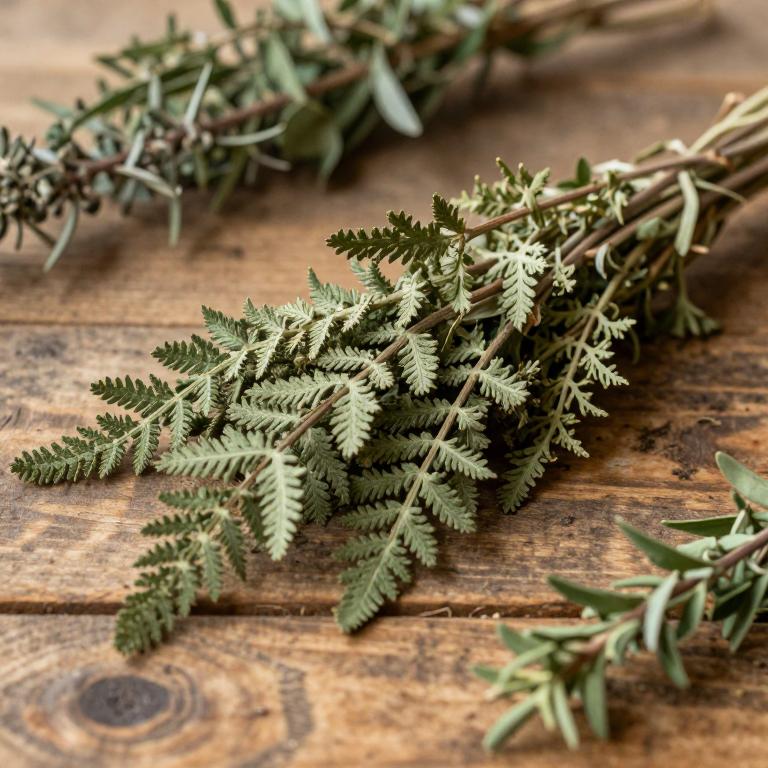
Equisetum telmateia, commonly known as the great horsetail, is a distinctive prehistoric plant species found in damp environments. Recent scientific investigations have focused on exploring its diverse therapeutic potential through various chemical analyses. Specifically, researchers have concentrated on the biological properties of petroleum ether extracts derived from this plant. These studies aim to evaluate the significant antimicrobial activities inherent within these lipid-soluble compounds. Understanding these properties could pave the way for new natural agents in the fight against pathogenic microorganisms.
- Synonyms
- Equisetum Telmateia Var. Breve · Equisetum Maximum Var. Serotinum · 18 more
- Common names
- Not available
- Family
- Equisetaceae
- Distribution
- Not available
- Plant Parts
- Not available
Classification
Common Names
Equisetum telmateia is a remarkable plant known by a diverse array of names across different cultures and languages. In certain regions, it is referred to by the common name Azeri buztana. Its botanical identity is also reflected in the Portuguese term Cavalinha-gigante and the descriptive Coa de Cavall Grossa. Moving into Spanish-speaking areas, many people recognize it simply as Cola de caballo. Finally, the plant is sometimes called Cuirdín, showcasing the linguistic variety used to describe this single species.
Sources: Catalogue of Life (COL)
Synonyms
Equisetum telmateia is a complex species characterized by a diverse array of botanical synonyms. Scientific literature frequently identifies this plant under various names, including Equisetum caenosum and Equisetum eburneum. It is also closely associated with the taxon Equisetum eburneum var. serotinum in several taxonomic records. Furthermore, the plant has been described as Equisetum macrostachion by different researchers. Finally, the name Equisetum maximum var. serotinum serves as another valid synonym within its extensive nomenclatural history.
Sources: The World Checklist of Vascular Plants (WCVP)
Taxonomy
Equisetum telmateia is a remarkable specimen that belongs to the vast kingdom Plantae. Within this biological realm, it is classified under the class Equisetopsida. This plant is a distinguished member of the order Equisetales, showcasing unique evolutionary traits. It further finds its place within the specific family Equisetaceae. Ultimately, this species is defined by its membership in the genus Equisetum.
| Rank | Classification |
|---|---|
| Kingdom | Plantae |
| Phylum | Streptophyta |
| Class | Equisetopsida |
| Subclass | Equisetidae |
| Order | Equisetales |
| Family | Equisetaceae |
| Genus | Equisetum |
Sources: The World Checklist of Vascular Plants (WCVP)
Distribution
Geographic Regions
Equisetum telmateia maintains a widespread presence across several key regions, most notably throughout Africa. Within the African continent, the species is specifically established in Northern Africa, with notable populations found in Algeria, Libya, and Morocco. Beyond the mainland, its reach extends into the Atlantic territories of Macaronesia. This includes significant distribution within the Azores and the islands of Madeira. Consequently, the plant thrives in these diverse yet interconnected geographical locations.
Sources: The World Checklist of Vascular Plants (WCVP)
Identification
Morphology
Equisetum telmateia is a distinctive herb that maintains a self-supporting growth form in its natural habitat. This plant exhibits a significant range in stature, with some specimens reaching a minimum height of only 0.15 m. Other individuals grow much larger, often establishing a minimum height of 1.25 m. At its peak development, the plant can reach a maximum height of 1.8 m. These varying dimensions highlight the adaptable physical presence of this unique species.
Sources: Global Inventory of Floras and Traits (GIFT)
Biological Activities
Equisetum telmateia is recognized as one of the most frequently used medicinal plants in the traditional medicine of Turkey's Sakarya province. Recent scientific investigations have focused on verifying the therapeutic claims made by local informants regarding its efficacy against various pathogens. Through in vitro testing using the microbroth dilution technique, researchers discovered that petroleum ether extracts of this species possess notable inhibitory properties. Specifically, Equisetum telmateia demonstrated significant antimicrobial activity against Staphylococcus epidermidis with a recorded MIC value of 39.1 microg/ml. This study represents the first time the antimicrobial potential of this particular plant has been officially reported in scientific literature.
Compounds
Conditions
Preparations
Equisetum telmateia is prepared as petroleum ether extracts to evaluate its biological properties. In a study conducted in the Sakarya province of Turkey, these specific extracts were tested for their antimicrobial activities. The research focused on determining minimum inhibitory concentrations against various pathogens. Notably, the petroleum ether extracts of Equisetum telmateia demonstrated effectiveness against Staphylococcus epidermidis. This finding contributes to the first-time reporting of the antimicrobial activity for this particular plant species.