Equisetum bogotense
Equisetum bogotense · Accepted scientific name
Scientific literature: Very Sparse (0 studies) · ★☆☆☆☆
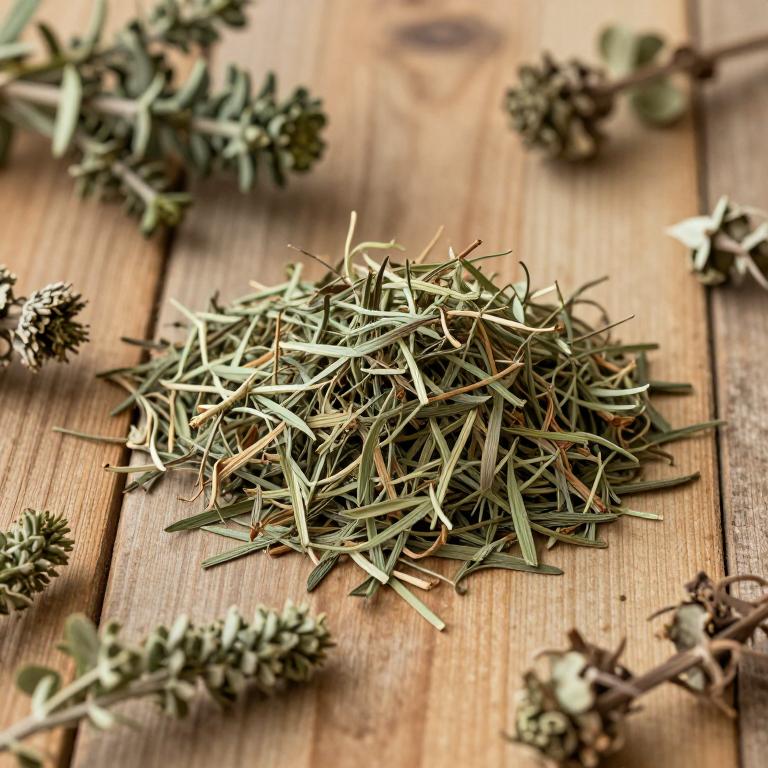
Equisetum bogotense is a unique herbaceous plant native to the high-altitude regions of the Andes. Often recognized by its slender, segmented stems, this species belongs to the ancient lineage of horsetails. In various traditional medicinal practices, it has been utilized for its diverse pharmacological properties. Recent interest has focused on its potential role in managing physiological imbalances, including conditions like hypertension. Understanding its chemical composition is essential for exploring how it might support cardiovascular health.
- Synonyms
- Equisetum Bogotense Var. Nudum · Equisetum Rinihuense · 4 more
- Common names
- Not available
- Family
- Equisetaceae
- Distribution
- Not available
- Plant Parts
- Not available
Classification
Common Names
Equisetum bogotense is a unique plant recognized by a variety of local and regional names. It is widely known by the common name Andean Horsetail, a title that reflects its striking, segmented structure. Depending on the specific linguistic influence or region, it may also be referred to as Andeselfting or Andespaardenstaart. In certain cultural contexts, the plant is affectionately called Limpia plata. Finally, some may identify this species as the andienkorte, showcasing the diverse nomenclature surrounding this botanical specimen.
Sources: Catalogue of Life (COL)
Synonyms
Equisetum bogotense is a complex species characterized by several taxonomic synonyms that reflect its botanical diversity. Within its classification, various forms such as Equisetum bogotense var. flagelliforme, var. nudum, and var. polystachyum have been identified. The plant's historical nomenclature also includes Equisetum rinihuense, which is now considered part of this broader group. Additionally, the name Equisetum stipulaceum has been used as a synonym in past studies. Understanding these overlapping relationships is essential for accurate identification and study within the genus.
Sources: The World Checklist of Vascular Plants (WCVP)
Taxonomy
Equisetum bogotense is a specialized organism that belongs to the diverse kingdom Plantae. Within this vast biological realm, it is classified under the class Equisetopsida. Its taxonomic lineage continues through the order Equisetales, which defines its evolutionary path. Further narrowing its identity, the plant is a member of the family Equisetaceae. Ultimately, this species is defined by its placement within the unique genus Equisetum.
| Rank | Classification |
|---|---|
| Kingdom | Plantae |
| Phylum | Streptophyta |
| Class | Equisetopsida |
| Subclass | Equisetidae |
| Order | Equisetales |
| Family | Equisetaceae |
| Genus | Equisetum |
Sources: The World Checklist of Vascular Plants (WCVP)
Distribution
Geographic Regions
Equisetum bogotense maintains a broad geographical presence throughout various tropical regions of the Americas. In South America, this species is notably distributed across multiple areas of Brazil, including the West-Central territories. Its reach extends into the Caribbean, where it can be found growing in Jamaica. The plant also thrives within Central America, establishing populations in countries such as Costa Rica and Guatemala. This diverse distribution highlights the adaptability of the species across different humid environments.
Sources: The World Checklist of Vascular Plants (WCVP)
Identification
Morphology
Equisetum bogotense is a specialized herb characterized by its distinct growth form. This self-supporting plant maintains a sturdy structure without the need for external assistance. It typically reaches a modest maximum height of 0.5 meters.
Sources: Global Inventory of Floras and Traits (GIFT)
Biological Activities
Compounds
Conditions
Equisetum bogotense is identified as a promising species for promoting diuretic effects, which can assist in the management of hypertension by lowering blood pressure. The plant is also recognized through ethnopharmacological surveys for its traditional use in treating various liver and digestive diseases. These medicinal properties suggest that the species plays a significant role in addressing both cardiovascular and gastrointestinal health concerns. Research continues into these applications to provide scientific credence to its historical folklore use. Consequently, the plant serves as a potential natural resource for developing future treatments for these specific conditions.