barrenworts
Epimedium · Accepted scientific name
Scientific literature: Moderate (102 studies) · ★★★☆☆
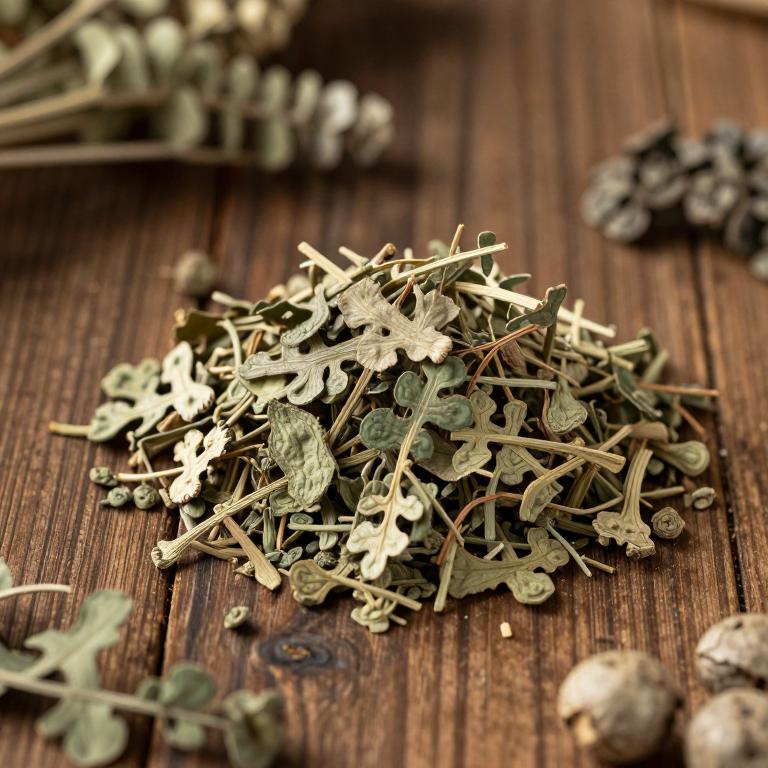
Barrenworts, scientifically known as Epimedium, is a versatile genus of herbaceous perennials celebrated for both ornamental beauty and therapeutic potential. Renowned in traditional medicine, these resilient plants contain unique bioactive compounds like icariin, which are widely studied for their ability to support bone health and cardiovascular wellness.
Names and Synonyms
Common Names
- barrenworts
- fairy wings
- Rowdy Lamb Herb
Scientific Names
Accepted name
EpimediumSynonyms
- Aceranthus
- × Bonstedtia
- Endoplectris
Regional and Traditional Names
Spanish:
- Aceranthus
German:
- Elfenblumen
- Sockenblumen
- Sockenblume
- Elfenblumen
Sources: Wikidata, Catalogue of Life
Taxonomical Classification
This plant belongs to the kingdom Plantae and the phylum Streptophyta, falling under the class Equisetopsida and subclass Magnoliidae. It is categorized within the order Ranunculales and the family Berberidaceae. Finally, it is classified under the specific genus Epimedium.
| Rank | Classification |
|---|---|
| Kingdom | Plantae |
| Phylum | Streptophyta |
| Class | Equisetopsida |
| Subclass | Magnoliidae |
| Order | Ranunculales |
| Family | Berberidaceae |
| Genus | Epimedium |
Sources: The World Checklist of Vascular Plants (WCVP)
Distribution
This plant, known as Epimedium, exhibits a specific range of occurrence across the northern regions of Europe. It can be found growing naturally throughout the Scandinavian territories, including Denmark, Norway, and Sweden. Additionally, its distribution extends into the eastern parts of the continent to include Finland. The plant's presence is also documented within the islands of Great Britain. Consequently, its geographical footprint is concentrated primarily within these northern European nations.
| Region | Area |
|---|---|
| Northern Europe | Denmark |
| Northern Europe | Finland |
| Northern Europe | Great Britain |
| Northern Europe | Norway |
| Northern Europe | Sweden |
| Middle Europe | Austria |
| Middle Europe | Belgium |
| Middle Europe | Czechia-Slovakia |
| Middle Europe | Germany |
| Middle Europe | Switzerland |
Sources: The World Checklist of Vascular Plants (WCVP)
Plant Parts
Epimedium has 3 reported plant parts identified across 7 scientific publications and several other databases that are studied for medicinal purposes. The most consistently reported plant part include leaf, flower, stem.
| Plant part | Supporting sources | Consensus |
|---|---|---|
| Leaf | 5 supporting sources | ★★★☆☆ |
| Flower | 1 supporting sources | ★☆☆☆☆ |
| Stem | 1 supporting sources | ★☆☆☆☆ |
Leaf
- Zhongguo Zhong yao za zhi = Zhongguo zhongyao zazhi = China journal of Chinese materia medica
- Plant cell reports
- Molecules (Basel, Switzerland)
- BMC plant biology
- Frontiers in plant science
Flower
- Plant cell reports
Stem
- Molecules (Basel, Switzerland)
Chemicals
Epimedium has 14 reported phytochemicals identified across 7 scientific publications and several other databases. The most consistently reported chemicals include Icariin, Icaritin, Flavonoids, Flavonoid, As.
| Chemical | Supporting sources | Consensus |
|---|---|---|
| Icariin | 14 supporting sources | ★★★★★ |
| Icaritin | 5 supporting sources | ★★★☆☆ |
| Flavonoids | 4 supporting sources | ★★☆☆☆ |
| Flavonoid | 2 supporting sources | ★☆☆☆☆ |
| As | 1 supporting sources | ★☆☆☆☆ |
| Baohuoside I | 1 supporting sources | ★☆☆☆☆ |
| CU | 1 supporting sources | ★☆☆☆☆ |
| Ikarisoside A | 1 supporting sources | ★☆☆☆☆ |
| Magnoflorine | 1 supporting sources | ★☆☆☆☆ |
| PB | 1 supporting sources | ★☆☆☆☆ |
Icariin
- Journal of fish biology
- Pharmacology & therapeutics
- Zhongguo Zhong yao za zhi = Zhongguo zhongyao zazhi = China journal of Chinese materia medica
- Journal of hepatocellular carcinoma
- Current topics in medicinal chemistry
View 9 additional sources
- Life sciences
- Pharmaceuticals (Basel, Switzerland)
- American journal of translational research
- OncoTargets and therapy
- Heliyon
- Oncology reports
- Zhong yao cai = Zhongyaocai = Journal of Chinese medicinal materials
- Current urology reports
- Yao xue xue bao = Acta pharmaceutica Sinica
Icaritin
- Pharmacology & therapeutics
- Oncology reports
- Phytomedicine : international journal of phytotherapy and phytopharmacology
- Drug delivery
- Journal of chromatography. B, Analytical technologies in the biomedical and life sciences
Flavonoids
- The American journal of Chinese medicine
- Pharmaceuticals (Basel, Switzerland)
- Zhongguo Zhong yao za zhi = Zhongguo zhongyao zazhi = China journal of Chinese materia medica
- Heliyon
Flavonoid
- Immunology
- Zhongguo Zhong yao za zhi = Zhongguo zhongyao zazhi = China journal of Chinese materia medica
As
- Biological trace element research
Baohuoside I
- Yao xue xue bao = Acta pharmaceutica Sinica
CU
- Biological trace element research
Ikarisoside A
- Biomedical chromatography : BMC
Magnoflorine
- Zhongguo Zhong yao za zhi = Zhongguo zhongyao zazhi = China journal of Chinese materia medica
PB
- Biological trace element research
Activities
Epimedium has 8 reported activities identified across 7 scientific publications and several other databases. The most consistently reported activities include Antioxidant, Anticancer, Antidiabetic, Antifatigue, Antiinflammatory.
| Activity | Supporting sources | Consensus |
|---|---|---|
| Antioxidant | 2 supporting sources | ★☆☆☆☆ |
| Anticancer | 1 supporting sources | ★☆☆☆☆ |
| Antidiabetic | 1 supporting sources | ★☆☆☆☆ |
| Antifatigue | 1 supporting sources | ★☆☆☆☆ |
| Antiinflammatory | 1 supporting sources | ★☆☆☆☆ |
| Antitumor | 1 supporting sources | ★☆☆☆☆ |
| Aphrodisiac | 1 supporting sources | ★☆☆☆☆ |
| Osteogenic | 1 supporting sources | ★☆☆☆☆ |
Antioxidant
- Plants (Basel, Switzerland)
- Heliyon
Anticancer
- Oncology reports
Antidiabetic
- Oncology reports
Antifatigue
- Frontiers in pharmacology
Antiinflammatory
- Zhongguo Zhong yao za zhi = Zhongguo zhongyao zazhi = China journal of Chinese materia medica
Antitumor
- Drug delivery
Aphrodisiac
- Frontiers in veterinary science
Osteogenic
- American journal of translational research
Conditions
Epimedium has 22 reported investigations on conditions identified across 7 scientific publications and several other databases. The most consistently reported conditions include osteoporosis, cancer, inflammation, liver cancer, Alzheimer's disease.
| Condition | Supporting sources | Consensus |
|---|---|---|
| Osteoporosis | 8 supporting sources | ★★★★☆ |
| Cancer | 2 supporting sources | ★☆☆☆☆ |
| Inflammation | 2 supporting sources | ★☆☆☆☆ |
| Liver cancer | 2 supporting sources | ★☆☆☆☆ |
| Alzheimer's disease | 1 supporting sources | ★☆☆☆☆ |
| Lung adenocarcinoma | 1 supporting sources | ★☆☆☆☆ |
| Osteoporosis | 1 supporting sources | ★☆☆☆☆ |
| Aging | 1 supporting sources | ★☆☆☆☆ |
| Bone formation | 1 supporting sources | ★☆☆☆☆ |
| Brain diseases | 1 supporting sources | ★☆☆☆☆ |
Osteoporosis
- Journal of fish biology
- Pharmacology & therapeutics
- Current topics in medicinal chemistry
- Life sciences
- Journal of traditional and complementary medicine
View 3 additional sources
- Pharmaceuticals (Basel, Switzerland)
- Yao xue xue bao = Acta pharmaceutica Sinica
- Journal of ethnopharmacology
Cancer
- The American journal of Chinese medicine
- Drug delivery
Inflammation
- Zhongguo Zhong yao za zhi = Zhongguo zhongyao zazhi = China journal of Chinese materia medica
- The American journal of Chinese medicine
Liver cancer
- Journal of hepatocellular carcinoma
- Molecules (Basel, Switzerland)
Alzheimer's disease
- Bioorganic chemistry
Lung adenocarcinoma
- OncoTargets and therapy
Osteoporosis
- Zhong yao cai = Zhongyaocai = Journal of Chinese medicinal materials
Aging
- Heliyon
Bone formation
- The American journal of Chinese medicine
Brain diseases
- Phytotherapy research : PTR
Preparations
Epimedium has 11 reported preparations identified across 7 scientific publications and several other databases. The most consistently reported preparations include EBF, Epimedium extract, Epimedium flavonoid (EF), EtOH extract, Icariin.
| Preparation | Supporting sources | Consensus |
|---|---|---|
| Ebf | 1 supporting sources | ★☆☆☆☆ |
| Epimedium extract | 1 supporting sources | ★☆☆☆☆ |
| Epimedium flavonoid (ef) | 1 supporting sources | ★☆☆☆☆ |
| Etoh extract | 1 supporting sources | ★☆☆☆☆ |
| Icariin | 1 supporting sources | ★☆☆☆☆ |
| Tcm herbal extracts | 1 supporting sources | ★☆☆☆☆ |
| Antioxidant carbon dots (cds) | 1 supporting sources | ★☆☆☆☆ |
| Aqueous decoction | 1 supporting sources | ★☆☆☆☆ |
| Cut crude drug | 1 supporting sources | ★☆☆☆☆ |
| Icaritin | 1 supporting sources | ★☆☆☆☆ |
Ebf
- Molecules (Basel, Switzerland)
Epimedium extract
- Journal of pharmaceutical and biomedical analysis
Epimedium flavonoid (ef)
- Immunology
Etoh extract
- Yao xue xue bao = Acta pharmaceutica Sinica
Icariin
- Oncology reports
Tcm herbal extracts
- Frontiers in pharmacology
Antioxidant carbon dots (cds)
- Plants (Basel, Switzerland)
Aqueous decoction
- Journal of chromatography. B, Analytical technologies in the biomedical and life sciences
Cut crude drug
- Zhong yao cai = Zhongyaocai = Journal of Chinese medicinal materials
Icaritin
- Oncology reports