Epimedium pseudowushanense
Epimedium pseudowushanense · Accepted scientific name
Scientific literature: Very Sparse (19 studies) · ★☆☆☆☆
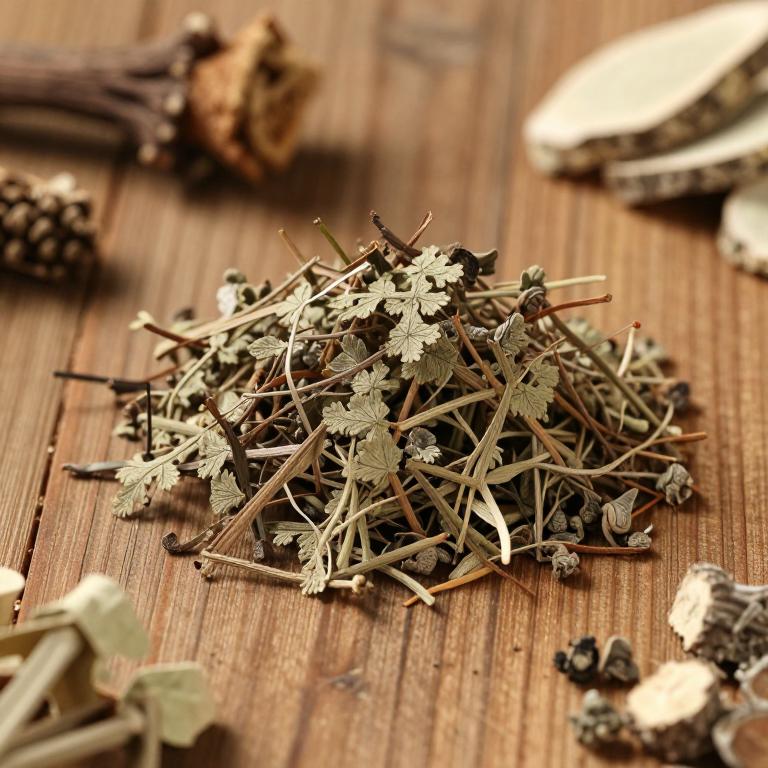
Epimedium pseudowushanense, scientifically known as Epimedium pseudowushanense, is a rare medicinal herb valued in traditional practices. Characterized by its delicate blooms, this plant offers unique therapeutic potential. Researchers are currently exploring its bioactive compounds to uncover new pharmacological benefits, highlighting its significance in botanical studies and natural medicine.
- Family
- Berberidaceae
- Native range
- Asia-Temperate
- Parts used
- Not available
- Common names
- Not available
- Scientific synonyms
- Not available
Names and Synonyms
Scientific Names
Accepted name
Epimedium pseudowushanenseSources: Wikidata, Catalogue of Life
Taxonomical Classification
This plant belongs to the kingdom Plantae and the phylum Streptophyta, falling under the class Equisetopsida and subclass Magnoliidae. Within the order Ranunculales, it is classified under the family Berberidaceae. Ultimately, it is identified by the genus Epimedium, specifically as the species Epimedium pseudowushanense.
| Rank | Classification |
|---|---|
| Kingdom | Plantae |
| Phylum | Streptophyta |
| Class | Equisetopsida |
| Subclass | Magnoliidae |
| Order | Ranunculales |
| Family | Berberidaceae |
| Genus | Epimedium |
Sources: The World Checklist of Vascular Plants (WCVP)
Distribution
This plant, known as Epimedium pseudowushanense, possesses a specific geographical range within East Asia. Its distribution is primarily concentrated within the various provinces of China. Specifically, it can be found growing in the South-Central region of the country. Additionally, the species extends its presence into the Southeast part of China. These distinct areas define the natural habitat where this medicinal plant thrives.
| Region | Area |
|---|---|
| China | China South-Central |
| China | China Southeast |
Sources: The World Checklist of Vascular Plants (WCVP)
Chemicals
Epimedium pseudowushanense has 6 reported phytochemicals identified across 0 scientific publications and several other databases. The most consistently reported chemicals include Epimedin A, Icariin, Epimedin B, Epimedin C, Flavonoid.
| Chemical | Supporting sources | Consensus |
|---|---|---|
| Epimedin A | 3 supporting sources | ★★☆☆☆ |
| Icariin | 3 supporting sources | ★★☆☆☆ |
| Epimedin B | 2 supporting sources | ★☆☆☆☆ |
| Epimedin C | 2 supporting sources | ★☆☆☆☆ |
| Flavonoid | 1 supporting sources | ★☆☆☆☆ |
| Flavonoids | 1 supporting sources | ★☆☆☆☆ |
Epimedin A
- PloS one
- Zhongguo Zhong yao za zhi = Zhongguo zhongyao zazhi = China journal of Chinese materia medica
- Molecules (Basel, Switzerland)
Icariin
- PloS one
- Zhongguo Zhong yao za zhi = Zhongguo zhongyao zazhi = China journal of Chinese materia medica
- Molecules (Basel, Switzerland)
Epimedin B
- PloS one
- Zhongguo Zhong yao za zhi = Zhongguo zhongyao zazhi = China journal of Chinese materia medica
Epimedin C
- PloS one
- Zhongguo Zhong yao za zhi = Zhongguo zhongyao zazhi = China journal of Chinese materia medica
Flavonoid
- PloS one
Flavonoids
- Molecules (Basel, Switzerland)
Activities
Epimedium pseudowushanense has 1 reported activities identified across 0 scientific publications and several other databases. The most consistently reported activities include Aphrodisiac.
| Activity | Supporting sources | Consensus |
|---|---|---|
| Aphrodisiac | 1 supporting sources | ★☆☆☆☆ |
Aphrodisiac
- Molecules (Basel, Switzerland)
Conditions
Epimedium pseudowushanense has 2 reported investigations on conditions identified across 0 scientific publications and several other databases. The most consistently reported conditions include aphrodisiac, libido.
| Condition | Supporting sources | Consensus |
|---|---|---|
| Aphrodisiac | 1 supporting sources | ★☆☆☆☆ |
| Libido | 1 supporting sources | ★☆☆☆☆ |
Aphrodisiac
- Molecules (Basel, Switzerland)
Libido
- PloS one
Preparations
Epimedium pseudowushanense has 1 reported preparations identified across 0 scientific publications and several other databases. The most consistently reported preparations include dry leaves.
| Preparation | Supporting sources | Consensus |
|---|---|---|
| Dry leaves | 1 supporting sources | ★☆☆☆☆ |
Dry leaves
- Zhongguo Zhong yao za zhi = Zhongguo zhongyao zazhi = China journal of Chinese materia medica