Epimedium elatum
Epimedium elatum · Accepted scientific name
Scientific literature: Very Sparse (24 studies) · ★☆☆☆☆
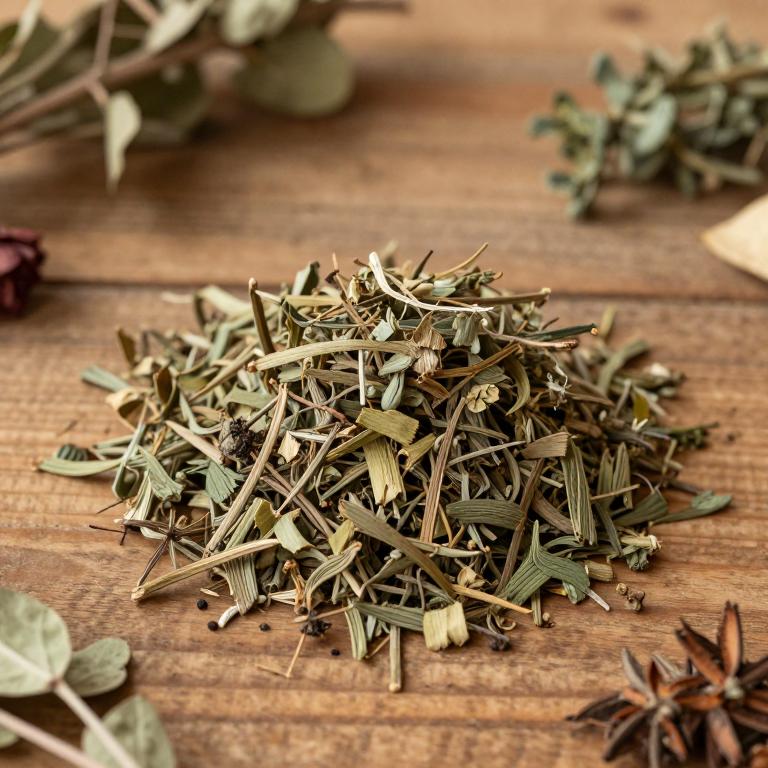
Epimedium elatum, scientifically known as Epimedium elatum, is a perennial herb cherished in traditional medicine. Often called "horny goat weed," it is native to East Asia. Renowned for its bioactive flavonoids, particularly icariin, this plant is widely utilized to support vitality, hormonal balance, and overall reproductive health.
- Family
- Berberidaceae
- Native range
- Asia-Tropical
- Parts used
- Not available
- Common names
- Not available
- Scientific synonyms
- Not available
Names and Synonyms
Scientific Names
Accepted name
Epimedium elatumSources: Wikidata
Taxonomical Classification
This plant, known scientifically as Epimedium elatum, belongs to the kingdom Plantae and the phylum Streptophyta. It is classified within the class Equisetopsida and the subclass Magnoliidae, falling under the order Ranunculales. Finally, it is a member of the Berberidaceae family within the genus Epimedium.
| Rank | Classification |
|---|---|
| Kingdom | Plantae |
| Phylum | Streptophyta |
| Class | Equisetopsida |
| Subclass | Magnoliidae |
| Order | Ranunculales |
| Family | Berberidaceae |
| Genus | Epimedium |
Sources: The World Checklist of Vascular Plants (WCVP)
Distribution
This plant, Epimedium elatum, exhibits a specific geographical range within the Asian continent. Its distribution is notably concentrated within the Indian Subcontinent. Specifically, it can be found growing in the regions of Pakistan. Additionally, the species is documented to inhabit the West Himalaya area. These distinct locations define the primary natural habitats where this medicinal plant thrives.
| Region | Area |
|---|---|
| Indian Subcontinent | Pakistan |
| Indian Subcontinent | West Himalaya |
Sources: The World Checklist of Vascular Plants (WCVP)
Chemicals
Epimedium elatum has 2 reported phytochemicals identified across 0 scientific publications and several other databases. The most consistently reported chemicals include Icariin, Icariside II.
| Chemical | Supporting sources | Consensus |
|---|---|---|
| Icariin | 1 supporting sources | ★☆☆☆☆ |
| Icariside II | 1 supporting sources | ★☆☆☆☆ |
Icariin
- Pakistan journal of pharmaceutical sciences
Icariside II
- Pakistan journal of pharmaceutical sciences
Activities
Epimedium elatum has 13 reported activities identified across 0 scientific publications and several other databases. The most consistently reported activities include Analeptic, Antibacterial, Antidepressant, Antioxidant, Aphrodisiac.
| Activity | Supporting sources | Consensus |
|---|---|---|
| Analeptic | 1 supporting sources | ★☆☆☆☆ |
| Antibacterial | 1 supporting sources | ★☆☆☆☆ |
| Antidepressant | 1 supporting sources | ★☆☆☆☆ |
| Antioxidant | 1 supporting sources | ★☆☆☆☆ |
| Aphrodisiac | 1 supporting sources | ★☆☆☆☆ |
| Cardioprotective | 1 supporting sources | ★☆☆☆☆ |
| Cytostatic | 1 supporting sources | ★☆☆☆☆ |
| Cytotoxic | 1 supporting sources | ★☆☆☆☆ |
| Expectorant | 1 supporting sources | ★☆☆☆☆ |
| Hepatoprotective | 1 supporting sources | ★☆☆☆☆ |
Analeptic
- Pakistan journal of pharmaceutical sciences
Antibacterial
- Pakistan journal of pharmaceutical sciences
Antidepressant
- Pakistan journal of pharmaceutical sciences
Antioxidant
- Pakistan journal of pharmaceutical sciences
Aphrodisiac
- Pakistan journal of pharmaceutical sciences
Cardioprotective
- Pakistan journal of pharmaceutical sciences
Cytostatic
- Pakistan journal of pharmaceutical sciences
Cytotoxic
- Pakistan journal of pharmaceutical sciences
Expectorant
- Pakistan journal of pharmaceutical sciences
Hepatoprotective
- Pakistan journal of pharmaceutical sciences
Conditions
Epimedium elatum has 5 reported investigations on conditions identified across 0 scientific publications and several other databases. The most consistently reported conditions include arthritis, asthma, hypertension, impotence, kidney.
| Condition | Supporting sources | Consensus |
|---|---|---|
| Arthritis | 1 supporting sources | ★☆☆☆☆ |
| Asthma | 1 supporting sources | ★☆☆☆☆ |
| Hypertension | 1 supporting sources | ★☆☆☆☆ |
| Impotence | 1 supporting sources | ★☆☆☆☆ |
| Kidney | 1 supporting sources | ★☆☆☆☆ |
Arthritis
- Pakistan journal of pharmaceutical sciences
Asthma
- Pakistan journal of pharmaceutical sciences
Hypertension
- Pakistan journal of pharmaceutical sciences
Impotence
- Pakistan journal of pharmaceutical sciences
Kidney
- Pakistan journal of pharmaceutical sciences