Epilobium tetragonum subsp. tetragonum
Epilobium tetragonum subsp. tetragonum · Accepted scientific name
Scientific literature: Very Sparse (0 studies) · ★☆☆☆☆
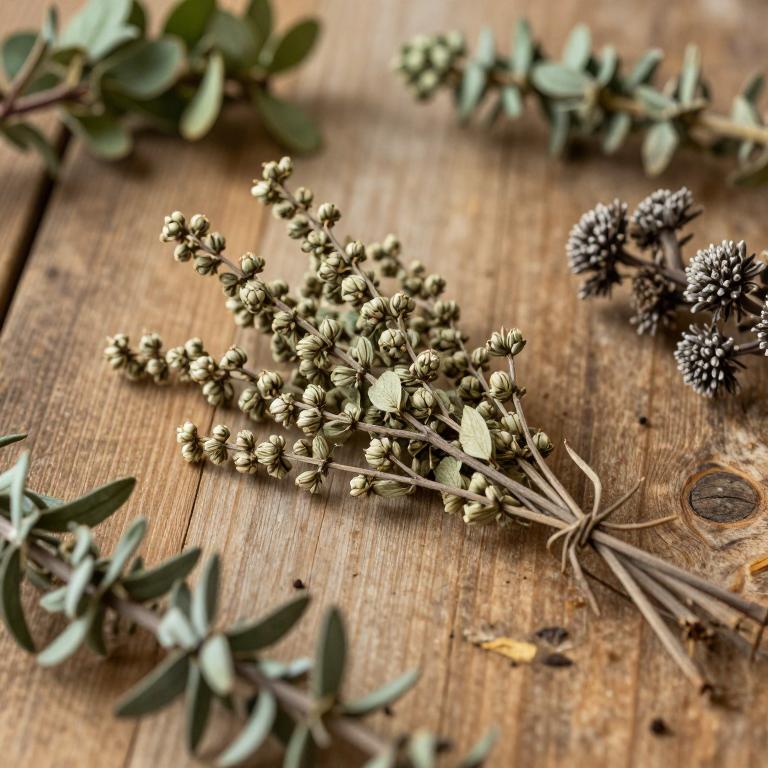
Epilobium tetragonum subsp. tetragonum, commonly known as common willowherb, is a perennial herb frequently found in damp, woodland environments. Beyond its botanical characteristics, this plant has become a subject of interest regarding its interactions with various microscopic organisms. Scientific studies have explored its relationship with a diverse range of microbes, including various fungi and yeasts. Additionally, research has examined how the plant interacts with both Gram-negative and Gram-positive bacteria within its ecological niche. Understanding these complex biological connections provides valuable insight into the plant's role within its microbial community.
- Synonyms
- Epilobium Tetragonum Var. Adnatum · Epilobium Adnatum F. Major · 22 more
- Common names
- Not available
- Family
- Onagraceae
- Distribution
- Not available
- Plant Parts
- Not available
Classification
Common Names
Epilobium tetragonum subsp. tetragonum is a fascinating botanical specimen known by several distinct names across different languages and regions. In English-speaking areas, it is most frequently identified as the square-stemmed willowherb. Moving into German contexts, the plant is referred to as Gewoehnliches Vierkantiges Weidenroeschen or sometimes as Kantige basterdwederik subsp. tetragonum. French speakers recognize this species as Epilobe a quatre angles, a name that highlights its unique physical structure. Finally, in other linguistic traditions, it is known as pravi robatostebelni vrbovec, illustrating the diverse ways this plant is categorized worldwide.
Sources: Catalogue of Life (COL)
Synonyms
Epilobium tetragonum subsp. tetragonum is a complex botanical taxon that encompasses several different taxonomic synonyms. It is frequently identified in various botanical records as Epilobium adnatoparviflorum. Furthermore, this subspecies is often referred to simply as Epilobium adnatum within certain scientific literature. This classification also includes several specific forms, such as Epilobium adnatum f. major and Epilobium adnatum f. rodriguezii. Finally, the name Epilobium adnatum f. simplex is recognized as another valid synonym within this closely related group.
Sources: The World Checklist of Vascular Plants (WCVP)
Taxonomy
Epilobium tetragonum subsp. tetragonum belongs to the diverse kingdom Plantae. Within this vast biological realm, the plant is classified under the class Equisetopsida. It further falls into the specific order Myrtales, showcasing its evolutionary connections. As a member of the Onagraceae family, it shares traits with many other flowering species. Ultimately, this subspecies is defined by its placement within the genus Epilobium.
| Rank | Classification |
|---|---|
| Kingdom | Plantae |
| Phylum | Streptophyta |
| Class | Equisetopsida |
| Subclass | Magnoliidae |
| Order | Myrtales |
| Family | Onagraceae |
| Genus | Epilobium |
Sources: The World Checklist of Vascular Plants (WCVP)
Distribution
Geographic Regions
Epilobium tetragonum subsp. tetragonum maintains a widespread presence throughout the African continent and the Macaronesia region. Within these territories, its range specifically encompasses the Azores, the Canary Islands, and Madeira. The plant is notably established across Northern Africa, finding suitable habitats in diverse local environments. Detailed records confirm its distribution within specific countries such as Algeria and Morocco. This varied geographic footprint highlights the botanical resilience and adaptability of this particular subspecies.
Sources: The World Checklist of Vascular Plants (WCVP)
Identification
Biological Activities
Compounds
Conditions
Epilobium tetragonum subsp. tetragonum exhibits significant antimicrobial activity against a wide variety of microorganisms. Research indicates that this plant subspecies effectively treats Gram-negative bacteria through its ethanolic extracts. It also demonstrates the ability to treat Gram-positive bacteria within specific concentration ranges. Furthermore, the plant shows a capacity to treat fungi, contributing to its broad biological impact. Finally, the extracts are capable of treating yeasts, proving the plant's multifaceted antimicrobial properties.