Epilobium obscurum
Epilobium obscurum · Accepted scientific name
Scientific literature: Very Sparse (0 studies) · ★☆☆☆☆
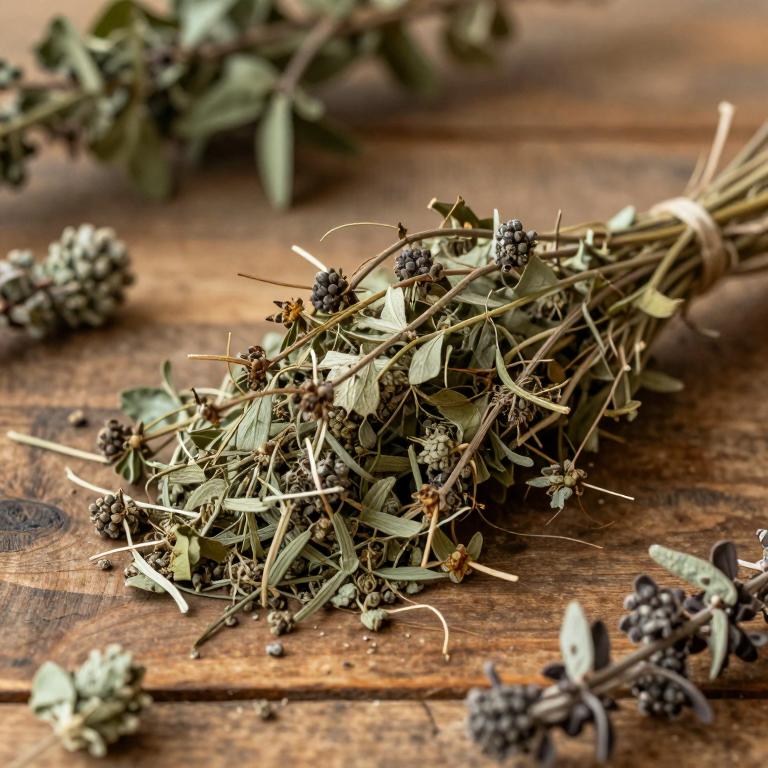
Epilobium obscurum, commonly known as dusky willowherb, is a perennial herb frequently found in moist habitats and woodland edges. While the plant itself is a natural part of many ecosystems, it exists within a complex biological environment teeming with microscopic life. Its surrounding soil and surfaces serve as habitats for various fungi and diverse microbial populations. Within these niches, one can find a wide array of gram-negative bacteria, gram-positive bacteria, and yeasts. Understanding these microbial associations provides deeper insight into the ecological role of this resilient species.
- Synonyms
- Epilobium Virgatum F. Friesanum · Epilobium Madeirense · 35 more
- Common names
- Not available
- Family
- Onagraceae
- Distribution
- Not available
- Plant Parts
- Not available
Classification
Common Names
Epilobium obscurum is known by a variety of diverse common names depending on the linguistic and regional context. In English-speaking areas, it is frequently referred to as the Short-fruited Willowherb. The plant carries several German designations, including Dunkelgrünes Weidenröschen and Dunkelgruenes Weidenroeschen. Within the Dutch language, it is identified as the Donkergroene basterdwederik. Additionally, it is sometimes recognized by the French name Epilobe fonce.
Sources: Catalogue of Life (COL)
Synonyms
Epilobium obscurum is a botanical subject characterized by a complex web of taxonomic synonyms. Throughout various scientific studies, it has been identified under the name Chamaenerion obscurum. Researchers have also categorized the species as Epilobium ambiguum in different contexts. Furthermore, the plant is linked to the specific variety Epilobium anagallidifolium var. diffusum. Its diverse nomenclature also includes the designations Epilobium chordorrhizum and Epilobium decumbens.
Sources: The World Checklist of Vascular Plants (WCVP)
Taxonomy
Epilobium obscurum belongs to the vast kingdom Plantae, representing a diverse group of multicellular organisms. Within this kingdom, the species is classified under the class Equisetopsida. It further falls into the order Myrtales, which helps define its structural characteristics. This plant is a member of the genus Epilobium, a group known for its unique botanical traits. Finally, its taxonomic journey places it firmly within the family Onagraceae.
| Rank | Classification |
|---|---|
| Kingdom | Plantae |
| Phylum | Streptophyta |
| Class | Equisetopsida |
| Subclass | Magnoliidae |
| Order | Myrtales |
| Family | Onagraceae |
| Genus | Epilobium |
Sources: The World Checklist of Vascular Plants (WCVP)
Distribution
Geographic Regions
Epilobium obscurum exhibits a broad and diverse geographical distribution across several key regions. Its presence is noted throughout Africa, stretching specifically into Northern Africa with established populations in Algeria and Morocco. The plant also thrives within the Macaronesia archipelago, showing a strong connection to these island environments. Within this group, it can be found across the Azores, the Canary Islands, and Madeira. This wide range highlights the species' ability to adapt to the unique ecological niches found throughout these various territories.
Sources: The World Checklist of Vascular Plants (WCVP)
Identification
Morphology
Epilobium obscurum is a self-supporting herb that thrives in its natural habitat. This plant typically exhibits a modest growth form, reaching a maximum height of approximately 1 meter. While it can be quite small, some specimens may only stand about 0.2 meters tall. However, many individuals tend to maintain a more substantial stature, often reaching a minimum height of 0.5085 meters. These varying dimensions allow the species to adapt effectively to its environment.
Sources: Global Inventory of Floras and Traits (GIFT)
Biological Activities
Compounds
Conditions
Epilobium obscurum possesses significant antimicrobial properties that allow it to effectively treat various microorganisms. This plant demonstrates the ability to combat Gram-negative bacteria through its specialized extracts. Additionally, it serves as an effective agent for treating Gram-positive bacteria. The medicinal potential of the plant also extends to its capacity to treat fungi. Finally, its broad spectrum of action includes the ability to treat yeasts.