Epilobium leptophyllum
Epilobium leptophyllum · Accepted scientific name
Scientific literature: Very Sparse (19 studies) · ★☆☆☆☆
, scientifically known as Epilobium leptophyllum, is a versatile medicinal plant valued in traditional healing practices. Renowned for its diverse therapeutic properties, it is frequently utilized to address various ailments, including inflammatory conditions and digestive issues. Exploring its phytochemical composition offers promising insights into its potential modern pharmacological applications.
- Family
- Not available
- Native range
- Northern America
- Parts used
- Not available
- Common names
- Not available
- Scientific synonyms
- Not available
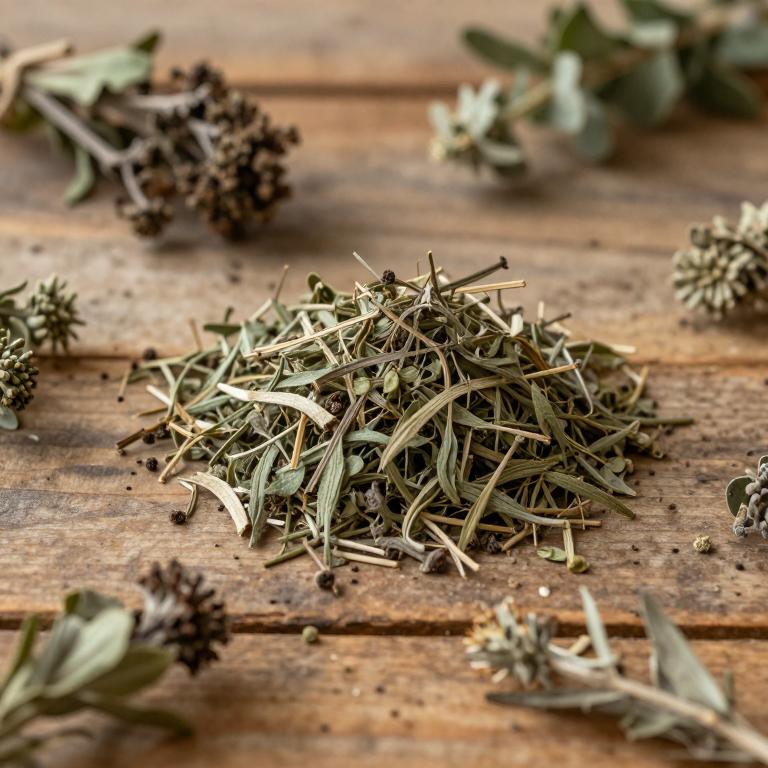
Names and Synonyms
Scientific Names
Accepted name
Epilobium leptophyllumDistribution
This plant exhibits a broad range across the northernmost regions of North America. In the Subarctic regions, it can be found throughout Alaska and the Northwest Territories. Its distribution extends significantly into Western Canada, where it thrives in the provinces of Alberta and British Columbia. Additionally, the species is documented within the borders of Manitoba. Together, these locations highlight its presence across a vast expanse of subarctic and western landscapes.
| Region | Area |
|---|---|
| Subarctic America | Alaska |
| Subarctic America | Northwest Territories |
| Western Canada | Alberta |
| Western Canada | British Columbia |
| Western Canada | Manitoba |
| Western Canada | Saskatchewan |
| Eastern Canada | New Brunswick |
| Eastern Canada | Newfoundland |
| Eastern Canada | Nova Scotia |
| Eastern Canada | Ontario |
Sources: The World Checklist of Vascular Plants (WCVP)
Botanical Identification
Life history
The life history of Epilobium leptophyllum is characterized by its status as a perennial organism, allowing it to persist in its habitat over multiple growing seasons. As a perennial species, it does not rely solely on a single reproductive cycle to ensure the continuity of its lineage but rather maintains a continuous presence through established root systems or rhizomes. This lifecycle enables the plant to withstand seasonal fluctuations and re-emerge to complete its vegetative and reproductive phases annually. Throughout its life, it undergoes various stages of development, ranging from seed germination and seedling establishment to mature vegetative growth and eventual flowering, where it contributes to the local ecosystem through seed production and potential vegetative propagation.
- Lifecycle :
- perennial
Morphology
The morphology of Epilobium leptophyllum is characterized by its growth form as a non-woody herb and forb, typically reaching an average plant height of 1.1 m. As a terrestrial species, it does not exhibit aquatic or epiphytic tendencies, maintaining an independent existence without being a parasite. In terms of its structural habit, the plant is self-supporting rather than acting as a climber, liana, or vine.
- Aquatic :
- terrestrial
- Climber :
- self-supporting
- Epiphyte :
- terrestrial
- Growth form :
- herb
- Growth form :
- forb
- Parasite :
- independent
- Plant height mean:
- 1.1 m
- Woodiness :
- non-woody
Physiology
The physiology of Epilobium leptophyllum is characterized by a metabolic framework governed by the C3 photosynthetic pathway, which dictates its carbon fixation processes and energy conversion efficiency. Under this C3 mechanism, the plant utilizes the enzyme Rubisco to fix atmospheric carbon dioxide directly into three-carbon organic compounds during the Calvin cycle. This physiological strategy typically involves the opening of stomata during daylight hours to facilitate gas exchange, though it necessitates careful management of transpiration rates to prevent dehydration. The metabolic efficiency and water-use strategies of the plant are inherently tied to this C3 pathway, influencing its growth patterns, biomass accumulation, and overall adaptive capacity to its specific environmental conditions.
- Photosynthetic pathway :
- C3
Reproduction
Reproduction in Epilobium leptophyllum is characterized by the production of highly specialized seeds that facilitate its dispersal and establishment. The reproductive output is defined by extremely lightweight seeds, which are critical for the plant's life cycle. Quantitative analysis of these seeds reveals a mean seed mass of 0.0001486 g. The distribution of this mass is remarkably consistent, with the recorded maximum seed mass being 0.000146 g and the minimum seed mass also being 0.000146 g, indicating a very low degree of variance in the weight of the individual reproductive units.
- Seed mass max:
- 0.000146 g
- Seed mass mean:
- 0.0001486 g
Sources: Global Inventory of Floras and Traits (GIFT)
Chemicals
Epilobium leptophyllum has 1 reported phytochemicals identified across 0 scientific publications and several other databases. The most consistently reported chemicals include betulinic acid.
| Chemical | Supporting sources | Consensus |
|---|---|---|
| betulinic acid | 1 supporting sources | ★☆☆☆☆ |
betulinic acid
- Dr. Duke
Activities
Epilobium leptophyllum has 18 reported activities identified across 0 scientific publications and several other databases. The most consistently reported activities include Anthelmintic, AntiHIV, Antibacterial, Anticancer, Anticarcinomic.
| Activity | Supporting sources | Consensus |
|---|---|---|
| Anthelmintic | 1 supporting sources | ★☆☆☆☆ |
| AntiHIV | 1 supporting sources | ★☆☆☆☆ |
| Antibacterial | 1 supporting sources | ★☆☆☆☆ |
| Anticancer | 1 supporting sources | ★☆☆☆☆ |
| Anticarcinomic | 1 supporting sources | ★☆☆☆☆ |
| Antiedemic | 1 supporting sources | ★☆☆☆☆ |
| Antiinflammatory | 1 supporting sources | ★☆☆☆☆ |
| Antileukemic | 1 supporting sources | ★☆☆☆☆ |
| Antimalarial | 1 supporting sources | ★☆☆☆☆ |
| Antimelanomic | 1 supporting sources | ★☆☆☆☆ |
Anthelmintic
- Dr. Duke
AntiHIV
- Dr. Duke
Antibacterial
- Dr. Duke
Anticancer
- Dr. Duke
Anticarcinomic
- Dr. Duke
Antiedemic
- Dr. Duke
Antiinflammatory
- Dr. Duke
Antileukemic
- Dr. Duke
Antimalarial
- Dr. Duke
Antimelanomic
- Dr. Duke