Epilobium alsinoides subsp. atriplicifolium
Epilobium alsinoides subsp. atriplicifolium · Accepted scientific name
Scientific literature: Very Sparse (1 studies) · ★☆☆☆☆
Epilobium alsinoides subsp. atriplicifolium is a botanical species currently being investigated for its significant potential in anticancer activities. Research indicates that the plant is rich in bioactive chemicals, specifically condensed tannins, polyphenols, and oenothein B. These compounds demonstrate biological efficacy by inhibiting hyaluronidase and lipoxygenase, which are critical factors in various pathological processes. Consequently, the plant shows promise in managing prostatic diseases, including conditions such as benign prostatic hyperplasia. Scientists typically evaluate these therapeutic benefits through the use of aqueous, ethanol, methanolic, or water extracts.
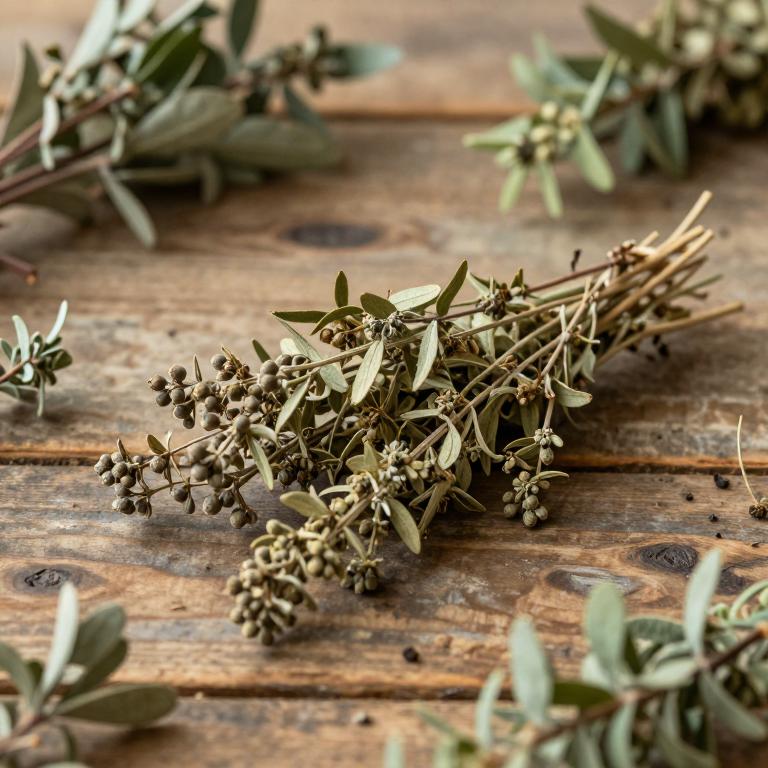
- Synonyms
- Epilobium Atriplicifolium · Epilobium Novae-Zeylandiae · 1 more
- Common names
- Not available
- Family
- Onagraceae
- Distribution
- Not available
- Plant Parts
- Not available
Classification
Synonyms
Epilobium alsinoides subsp. atriplicifolium is a botanical taxon that is associated with several different scientific names. Within taxonomic literature, it is frequently recognized by the synonym Epilobium atriplicifolium. Furthermore, researchers may encounter this same plant referred to as Epilobium novae-zeylandiae in various studies. The nomenclature also includes the synonym Epilobium pratense, which can sometimes cause confusion for those studying its classification. Understanding these various synonyms is essential for ensuring accuracy when documenting the relationships within this species.
Sources: The World Checklist of Vascular Plants (WCVP)
Taxonomy
Epilobium alsinoides subsp. atriplicifolium is a unique botanical specimen belonging to the vast kingdom Plantae. Within this kingdom, it is specifically classified under the class Equisetopsida. The plant is further categorized into the order Myrtales, showcasing its evolutionary connections. It resides within the diverse family Onagraceae, which helps define its distinctive characteristics. Finally, it is identified by its specific genus, Epilobium, marking its place in the natural world.
| Rank | Classification |
|---|---|
| Kingdom | Plantae |
| Phylum | Streptophyta |
| Class | Equisetopsida |
| Subclass | Magnoliidae |
| Order | Myrtales |
| Family | Onagraceae |
| Genus | Epilobium |
Sources: The World Checklist of Vascular Plants (WCVP)
Distribution
Geographic Regions
Epilobium alsinoides subsp. atriplicifolium is a plant species primarily concentrated within the Australasia region. Its distribution is most notably centered throughout New Zealand, where it thrives across diverse landscapes. Specifically, the subspecies can be found spanning both the North and South Islands of the country. Its reach also extends to the unique ecosystems of the Chatham Islands. Furthermore, the plant maintains a presence within the broader Antipodean Islands, illustrating its specialized regional footprint.
Sources: The World Checklist of Vascular Plants (WCVP)
Identification
Biological Activities
Epilobium alsinoides subsp. atriplicifolium is recognized for its significant anticancer activity. This therapeutic potential aligns with broader research into the Epilobium genus, which is widely utilized in traditional medicine for its diverse pharmacological properties. Recent studies have focused on enhancing these medicinal effects through advanced delivery methods, such as loading extracts into chitosan nanoparticles to improve bioavailability. Investigations into these plant-based systems involve analyzing particle morphology and performing molecular docking to understand their interaction with DNA. Ultimately, these scientific advancements aim to refine the use of such botanical extracts in targeted cancer therapies.
Compounds
Epilobium alsinoides subsp. atriplicifolium is characterized by a rich profile of bioactive phytochemicals that contribute to its medicinal potential. Research indicates that this plant contains significant amounts of polyphenols, which are essential for various biological activities. Furthermore, the presence of condensed tannins within its chemical makeup plays a crucial role in its complex composition. Among these secondary metabolites, the specific macrocyclic tannin known as oenothein B has also been identified. These diverse chemical constituents highlight the intricate natural properties inherent to this subspecies.
Conditions
Epilobium alsinoides subsp. atriplicifolium treats anticancer applications through various therapeutic mechanisms. This plant is also utilized to treat benign prostatic hyperplasia and other related prostatic diseases. Furthermore, its properties are significant in the development of cancer therapy. The plant has demonstrated efficacy in treating carrageenin induced oedema of the rat paw. Finally, it shows medicinal potential in the treatment of human malignant melanoma.
Preparations
Epilobium alsinoides subsp. atriplicifolium is prepared as aqueous extract, ethanol extracts, methanolic extract, and water extracts. These specific preparations allow for the study of various phytochemical properties and biological activities. Each extraction method, whether utilizing water, ethanol, or methanol, serves to isolate different chemical constituents from the plant. The resulting aqueous, ethanolic, and methanolic extracts are essential for evaluating the medicinal potential of the species. Consequently, these diverse preparation methods facilitate a comprehensive understanding of the plant's chemical profile.