Epicharis densiflora
Epicharis densiflora · Accepted scientific name
Scientific literature: Very Sparse (0 studies) · ★☆☆☆☆
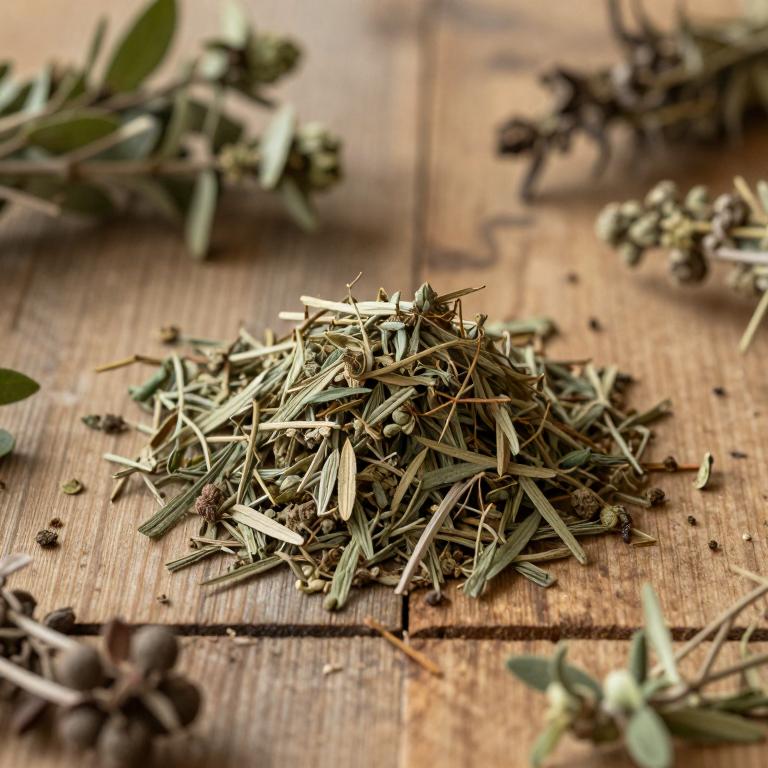
Epicharis densiflora is a notable botanical species that has garnered scientific interest due to the unique properties found within its fruit. Research into this plant is increasingly focused on its potential role in addressing the global crisis of multidrug resistance. By studying the chemical constituents of its fruit, researchers hope to uncover novel compounds that can bypass current antibiotic limitations. This investigation highlights the plant's significance in the ongoing search for effective new pharmacological treatments. Consequently, the fruit of Epicharis densiflora represents a promising frontier in medicinal plant studies.
- Synonyms
- Alliaria Densiflora · Alliaria Trichostyla · 8 more
- Common names
- Not available
- Family
- Meliaceae
- Distribution
- Asia-Tropical
- Plant Parts
- Fruit
Classification
Synonyms
Epicharis densiflora is a botanical species that has been subject to various taxonomic reclassifications throughout its history. Scientific records indicate that it has been previously identified under the synonyms Alliaria densiflora and Alliaria trichostyla. The plant's nomenclature also includes connections to the genus Dysoxylum, specifically as Dysoxylum densiflorum. Further historical classifications have linked the species to the variety Dysoxylum densiflorum var. minus. Additionally, the name Dysoxylum elmeri has been recognized as another synonym within its complex botanical lineage.
Sources: The World Checklist of Vascular Plants (WCVP)
Taxonomy
Epicharis densiflora is a distinguished member of the kingdom Plantae, representing the diverse beauty of the natural world. This specific species is categorized under the genus Epicharis and belongs to the family Meliaceae. Within its biological lineage, it is further classified under the order Sapindales. To complete its botanical identity, the plant is assigned to the class Equisetopsida. Through these scientific classifications, we gain a deeper understanding of its unique place in the ecosystem.
| Rank | Classification |
|---|---|
| Kingdom | Plantae |
| Phylum | Streptophyta |
| Class | Equisetopsida |
| Subclass | Magnoliidae |
| Order | Sapindales |
| Family | Meliaceae |
| Genus | Epicharis |
Sources: The World Checklist of Vascular Plants (WCVP)
Distribution
Geographic Regions
Epicharis densiflora exhibits a widespread geographic presence across diverse Asian landscapes. In temperate regions, the species can be found specifically throughout China and South-Central China. Its reach extends significantly into tropical environments, particularly throughout the Indo-China peninsula. Within these tropical zones, it inhabits various locales including Myanmar, Thailand, and the Andaman Islands. Additionally, the plant is documented growing in the Nicobar Islands, highlighting its broad ecological adaptability.
Sources: The World Checklist of Vascular Plants (WCVP)
Identification
Biological Activities
Compounds
Conditions
Epicharis densiflora, specifically through the isolation of rare prenyleudesmane diterpenoids from its fruits, possesses the capacity to reverse multidrug resistance. These specific compounds, known as dysoxydenins A-M, demonstrate significant inhibitory effects on multidrug resistance within MCF-7/doxorubicin cells. Notably, certain isolated structures exhibited a reversing effect that surpassed the efficacy of the positive drug Verapamil. This medicinal potential is linked to the unique chemical profiles found within the plant's specialized diterpenoids. Consequently, these bioactive molecules serve both as potent agents against drug resistance and as chemotaxonomic markers for the species.
Preparations
Parts used
Epicharis densiflora, also known as Dysoxylum densiflorum, serves as a significant source of rare prenyleudesmane diterpenoids. These specialized chemical compounds are isolated specifically from the fruit of the plant. Through advanced structural elucidation, researchers identified thirteen new substances, including the notable dysoxydenins A-M. Some of these isolated compounds demonstrate a remarkable ability to reverse multidrug resistance in MCF-7/doxorubicin cells. Consequently, these diterpenoids may function as vital chemotaxonomic markers to distinguish this species from other plants within the Meliaceae family.