Ephedra transitoria
Ephedra transitoria · Accepted scientific name
Scientific literature: Very Sparse (2 studies) · ★☆☆☆☆
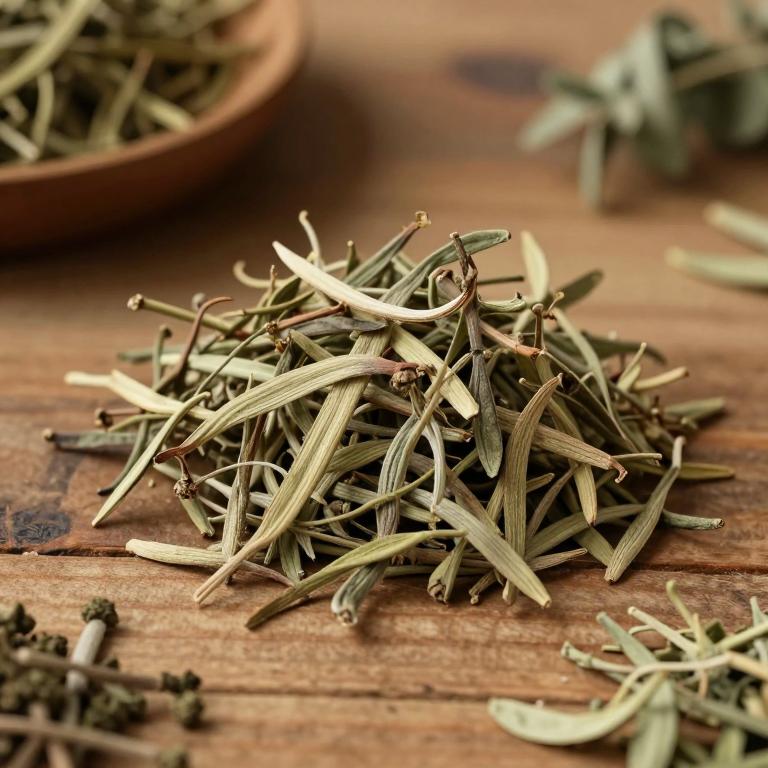
, scientifically known as Ephedra transitoria, is a resilient medicinal shrub prized for its unique pharmacological properties. Belonging to the Ephedraceae family, this plant contains potent alkaloids that have historically been utilized to treat respiratory ailments and enhance physical stamina, offering significant insights into traditional and modern herbal medicine.
- Family
- Ephedraceae
- Native range
- Asia-Temperate
- Parts used
- Not available
- Common names
- Not available
- Scientific synonyms
- Not available
Names and Synonyms
Scientific Names
Accepted name
Ephedra transitoriaSources: Wikidata, Catalogue of Life
Taxonomical Classification
This plant belongs to the kingdom Plantae and the phylum Streptophyta, falling under the class Equisetopsida and subclass Gnetidae. Within the order Ephedrales, it is classified under the family Ephedraceae and the genus Ephedra. Specifically, this species is identified by its scientific name, Ephedra transitoria.
| Rank | Classification |
|---|---|
| Kingdom | Plantae |
| Phylum | Streptophyta |
| Class | Equisetopsida |
| Subclass | Gnetidae |
| Order | Ephedrales |
| Family | Ephedraceae |
| Genus | Ephedra |
Sources: The World Checklist of Vascular Plants (WCVP)
Distribution
This plant, Ephedra transitorica, exhibits a specific distribution pattern across several key regions in the Middle East. Within Western Asia, it can be found growing in the territories of Iraq. Its range also extends through the Levant, specifically covering the areas of Lebanon and Syria. Furthermore, the species is documented to inhabit the landscape of Palestine. Finally, its geographical presence reaches into the Arabian Peninsula, where it is located in Saudi Arabia.
| Region | Area |
|---|---|
| Western Asia | Iraq |
| Western Asia | Lebanon-Syria |
| Western Asia | Palestine |
| Arabian Peninsula | Saudi Arabia |
Sources: The World Checklist of Vascular Plants (WCVP)
Botanical Identification
Life history
The life history of Ephedra transitoris is characterized by its classification as a chamaephyte, a life form that dictates its growth strategy and survival mechanisms within its specific ecological niche. As a chamaephyte, the plant maintains its photosynthetic organs close to the soil surface, with buds situated just above or at the ground level, which allows it to withstand environmental stressors such as wind or temperature fluctuations by utilizing the thermal protection of the substrate. This life form strategy enables the species to navigate its habitat by balancing the structural stability of a more robust plant with the resilience typically seen in smaller, ground-hugging vegetation. By positioning its reproductive and vegetative buds near the surface, Ephedra transitoris optimizes its ability to exploit available light while minimizing exposure to harsh atmospheric conditions, ensuring a consistent life cycle within its native environment.
- Life form :
- chamaephyte
Morphology
The morphology of Ephedra transitoris is characterized by a growth habit that is strictly terrestrial, as it functions as an independent organism rather than an epiphyte. It does not exhibit any climbing behavior, lacking the structures required to be an obligatory, facultative, or self-supporting climber. Furthermore, the plant is entirely non-parasitic, maintaining an independent life cycle without reliance on a host, thus remaining free from obligatory or facultative parasitic dependencies.
- Climber :
- self-supporting
- Epiphyte :
- terrestrial
- Parasite :
- independent
Sources: Global Inventory of Floras and Traits (GIFT)
Chemicals
Ephedra transitoria has 1 reported phytochemicals identified across 0 scientific publications and several other databases. The most consistently reported chemicals include Transtorine.
| Chemical | Supporting sources | Consensus |
|---|---|---|
| Transtorine | 1 supporting sources | ★☆☆☆☆ |
Transtorine
- Journal of natural products