Ephedra procera
Ephedra procera · Accepted scientific name
Scientific literature: Very Sparse (0 studies) · ★☆☆☆☆
Ephedra procera is a significant medicinal plant known for its complex chemical profile and diverse pharmacological potential. Recent scientific investigations have focused on evaluating its efficacy against a variety of clinically relevant microbial strains. Specifically, researchers have examined its antibacterial properties in relation to the pathogen Proteus vulgaris. The plant's extracts are also being tested for their ability to inhibit the growth of the opportunistic Pseudomonas aeruginosa. Furthermore, its impact on the common human pathogen Staphylococcus aureus remains a critical area of study for developing new antimicrobial treatments.
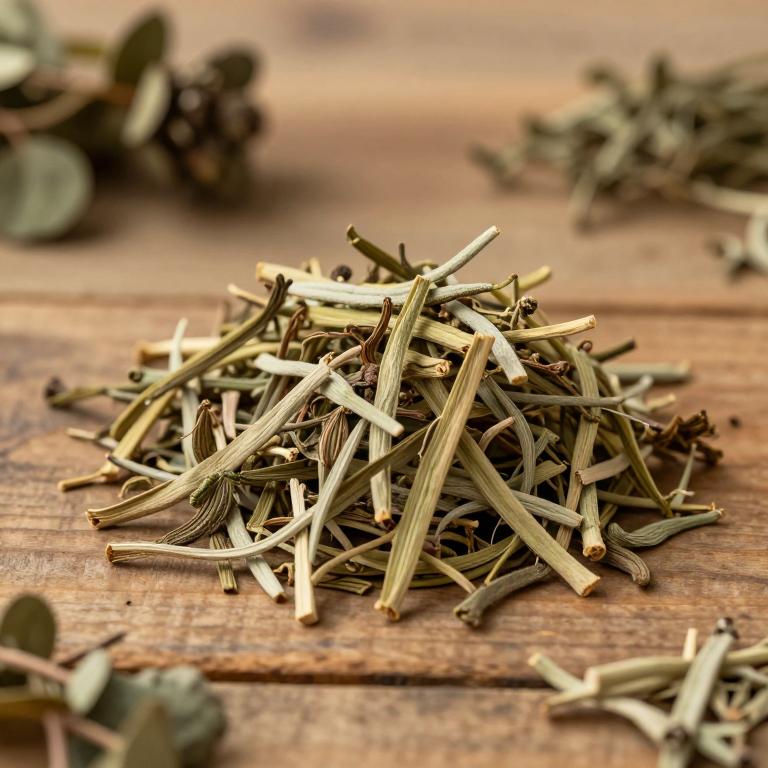
- Synonyms
- Ephedra Major Subsp. Procera · Ephedra Nebrodensis Subsp. Procera · 4 more
- Common names
- Not available
- Family
- Ephedraceae
- Distribution
- Not available
- Plant Parts
- Not available
Classification
Common Names
Ephedra procera is a unique botanical species known by a variety of regional names across different languages. In French-speaking areas, it is commonly referred to as Grand Éphédra du Caucase. The plant also carries the descriptive names chvojník urastený and Хвойник рослый in Slavic contexts. Furthermore, it is recognized in Chinese culture as 樹狀麻黃. These diverse common names reflect the wide geographic distribution and cultural significance of this specific shrub.
Sources: Catalogue of Life (COL)
Synonyms
Ephedra procera is a taxonomically complex species that is documented under several different scientific names. Its classification includes various synonyms, such as Ephedra major subsp. procera and Ephedra major var. procera. The plant is also linked to the name Ephedra nebrodensis through both its subspecies and variety designations. Furthermore, the taxonomic history accounts for Ephedra procera var. chrysocarpa as a recognized synonym. Understanding these shifting botanical relationships is essential for accurate identification and study.
Sources: The World Checklist of Vascular Plants (WCVP)
Taxonomy
Ephedra procera belongs to the vast kingdom Plantae, representing a unique branch of the botanical world. Within this kingdom, the species is classified under the class Equisetopsida and the order Ephedrales. It further finds its place within the specific family Ephedraceae. This specialized lineage is defined by its membership in the genus Ephedra. Through these nested biological categories, scientists can accurately trace the evolutionary history of this remarkable plant.
| Rank | Classification |
|---|---|
| Kingdom | Plantae |
| Phylum | Streptophyta |
| Class | Equisetopsida |
| Subclass | Gnetidae |
| Order | Ephedrales |
| Family | Ephedraceae |
| Genus | Ephedra |
Sources: The World Checklist of Vascular Plants (WCVP)
Distribution
Geographic Regions
Ephedra procera is a resilient species with a wide-ranging distribution across various temperate regions of Asia. Its presence is noted throughout the Caucasus and Transcaucasus, spanning from the North Caucasus into more southern stretches. The plant also thrives within Central Asia, specifically finding suitable habitats in Turkmenistan. Moving westward, its reach extends into Afghanistan as part of the diverse flora of Western Asia. Finally, this unique species can be found as far west as the island of Cyprus, showcasing its impressive geographic versatility.
Sources: The World Checklist of Vascular Plants (WCVP)
Identification
Morphology
Ephedra procera is a self-supporting plant that typically exhibits a shrub-like growth form. This species is characterized by its compact stature, reaching a maximum height of only 1 meter. As it grows, it maintains a sturdy structure that allows it to thrive in its natural environment.
Sources: Global Inventory of Floras and Traits (GIFT)
Biological Activities
Compounds
Conditions
Ephedra procera exhibits significant antibacterial activity against a specific range of bacterial pathogens. The ethanolic extract of this plant effectively treats Bacillus ceirus and Enterobacter aeogenes. Additionally, the study demonstrated its ability to treat Proteus vulgaris and Pseudomonas aeruginosa. The medicinal properties of the plant also extend to the successful treatment of Staphylococcus aureus. These results confirm that the extract serves as an effective antibacterial agent against all five tested microorganisms.