Ephedra distachya
Ephedra distachya · Accepted scientific name
Scientific literature: Very Sparse (0 studies) · ★☆☆☆☆
Ephedra distachya is a distinctive plant species known for its unique chemical composition. It contains significant concentrations of bioactive compounds such as catechin, epicatechin, and quercetin. These specific phytochemicals contribute to the plant's potent antioxidant properties. When processed into herb extracts, these substances can be utilized for various therapeutic applications. Understanding these chemical profiles is essential for exploring the plant's potential health benefits.
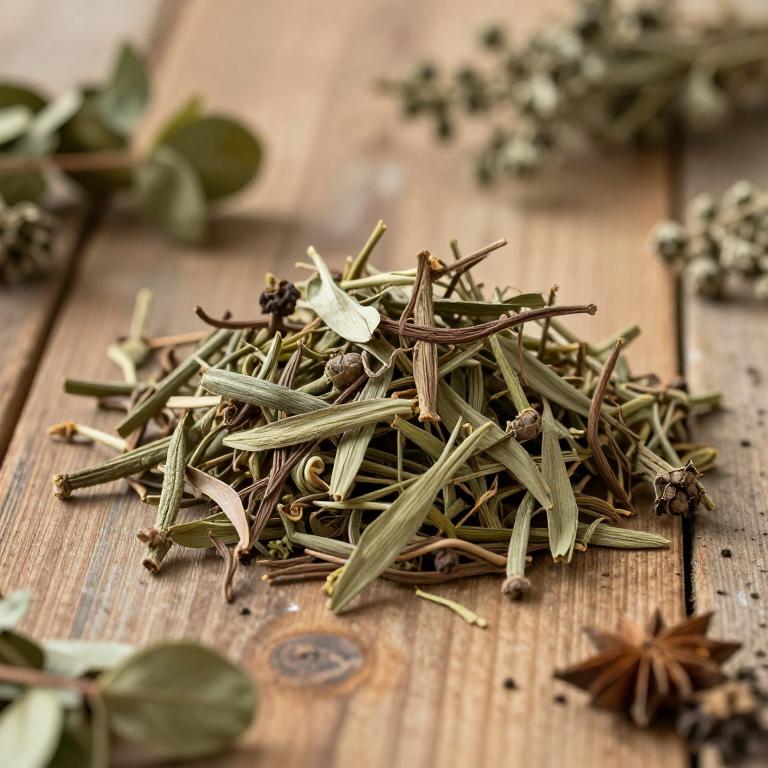
- Synonyms
- Chaetocladus Distachys
- Common names
- Not available
- Family
- Ephedraceae
- Distribution
- Not available
- Plant Parts
- Not available
Classification
Common Names
Ephedra distachya is a distinctive plant known by several different names across various regions and languages. It is frequently referred to by its common English name, the Little Sea Grape, reflecting its unique physical characteristics. In various European contexts, it is also recognized as the European Ephedra or by the German name Gewöhnliches Meerträubel. French speakers often identify this species as Petit Éphédra, highlighting its smaller stature. Additionally, it carries the local name Cârcel, showcasing the diverse linguistic heritage associated with this botanical species.
Sources: Catalogue of Life (COL)
Synonyms
Ephedra distachya is a botanical species that is frequently identified in scientific literature under a different name. Specifically, this plant is recognized by its synonym, Chaetocladus distachys. Understanding these nomenclatural connections is essential for researchers tracking the plant's evolutionary history. Such taxonomic overlaps ensure that data collected under varying labels remains consistent and accurate. Consequently, recognizing both names allows for seamless navigation through diverse biological databases.
Sources: The World Checklist of Vascular Plants (WCVP)
Taxonomy
Ephedra distachya is a unique botanical specimen belonging to the vast kingdom Plantae. Within this expansive group, it is classified under the class Equisetopsida, marking its evolutionary lineage. Its specific taxonomic journey continues through the order Ephedrales, which distinguishes its biological path. Furthermore, it is a member of the family Ephedraceae, showcasing its specialized characteristics. Ultimately, this plant is identified by its distinct genus, Ephedra, which defines its place in the natural world.
| Rank | Classification |
|---|---|
| Kingdom | Plantae |
| Phylum | Streptophyta |
| Class | Equisetopsida |
| Subclass | Gnetidae |
| Order | Ephedrales |
| Family | Ephedraceae |
| Genus | Ephedra |
Sources: The World Checklist of Vascular Plants (WCVP)
Distribution
Geographic Regions
Ephedra distachya is a resilient species widely distributed across the Asia-Temperate regions. Its range extends through the Caucasus and Transcaucasus, marking a significant presence in those mountainous territories. In the vast stretches of Central Asia, the plant is commonly found throughout Kazakhstan and Turkmenistan. Moving further east, its habitat reaches into the Inner Mongolia region of China. This broad geographic footprint highlights the plant's ability to adapt to diverse environments across the continent.
Sources: The World Checklist of Vascular Plants (WCVP)
Identification
Morphology
Ephedra distachya is a compact, self-supporting shrub that maintains a sturdy presence in its natural habitat. This resilient plant typically grows to a modest height, generally ranging from a minimum of 0.1 m to a maximum of 0.25 m. Its low-profile growth form allows it to thrive while remaining structurally independent. Overall, these specific dimensions contribute to its distinctive character within its ecosystem.
Sources: Global Inventory of Floras and Traits (GIFT)
Biological Activities
Compounds
Ephedra distachya has been identified as a significant source of various phenolic compounds through detailed HPLC-DAD analysis. Specifically, this plant species contains notable amounts of catechin, which can even exceed the levels found in black tea. In addition to catechin, the herb is also characterized by the presence of epicatechin. The chemical profile of Ephedra distachya further includes quercetin, contributing to its complex phytochemical makeup. These identified components provide a scientific basis for investigating the plant's potential antioxidant and anti-inflammatory activities.
Conditions
Ephedra distachya contains high levels of catechins that provide a chemical basis for various medicinal properties. This plant species is currently being investigated for its potential to treat anti-inflammatory conditions. Furthermore, the presence of phenolic compounds suggests that Ephedra distachya can treat antioxidant needs within the body. Research also points toward the plant's ability to treat anti-proliferative processes. These specific therapeutic activities are linked to the rich concentration of catechins found in its herb extracts.
Preparations
Ephedra distachya is prepared as herb extracts to facilitate the analysis of its chemical composition. These specific extracts are used to identify various phenolic compounds, including catechin and epicatechin. Through the use of HPLC-DAD, researchers can measure the concentration of these substances within the plant material. The resulting data shows that the extracts from this species contain significant levels of antioxidants. Such preparations provide a chemical rationale for investigating the plant's potential anti-inflammatory and anti-proliferative activities.