Ephedra distachya subsp. distachya
Ephedra distachya subsp. distachya · Accepted scientific name
Scientific literature: Very Sparse (1 studies) · ★☆☆☆☆
Ephedra distachya subsp. distachya is a specialized plant species often recognized for its significant medicinal properties. When utilizing the dry branches of this plant, various therapeutic applications can be achieved through traditional preparations. It is particularly noted for its potent antibacterial activities that target harmful microorganisms. These characteristics make it a valuable subject of study for managing various respiratory tract infections. Consequently, understanding its biological functions is essential for exploring its potential in natural medicine.
- Synonyms
- Ephedra Vulgaris Var. Subtristachya · Ephedra Vulgaris Var. Media · 19 more
- Common names
- Not available
- Family
- Ephedraceae
- Distribution
- Not available
- Plant Parts
- Not available
Classification
Common Names
Ephedra distachya subsp. distachya is a unique botanical species recognized by a diverse array of regional names across different languages. In English-speaking contexts, it is frequently referred to as the European Ephedra. Its presence in Central Europe is highlighted by the Czech common name Chvojník dvouklasý and the German designation Gewöhnliches Meerträubel. Moving into the Low Countries, the plant is known locally as the Gewone Zeedruif. Finally, it is also identified in Turkish as the Ebucehil çalısı, illustrating its wide linguistic footprint.
Sources: Catalogue of Life (COL)
Synonyms
Ephedra distachya subsp. distachya is a botanical entity that has been identified through several different scientific names. Throughout its classification history, it has been recognized by various synonyms such as Ephedra arborea and Ephedra botryoides. Taxonomists have also documented it under the names Ephedra clusii and Ephedra delacourii. Furthermore, the plant is associated with the specific form known as Ephedra distachya f. caspia. Understanding these overlapping names is essential for maintaining accurate records within plant nomenclature.
Sources: The World Checklist of Vascular Plants (WCVP)
Taxonomy
Ephedra distachya subsp. distachya is a specialized organism belonging to the vast kingdom Plantae. Within this biological framework, it is classified under the class Equisetopsida. Its taxonomic journey continues through the order Ephedrales, which helps define its evolutionary path. Furthermore, this subspecies is a prominent member of the family Ephedraceae. Ultimately, it is identified by its distinct membership in the genus Ephedra.
| Rank | Classification |
|---|---|
| Kingdom | Plantae |
| Phylum | Streptophyta |
| Class | Equisetopsida |
| Subclass | Gnetidae |
| Order | Ephedrales |
| Family | Ephedraceae |
| Genus | Ephedra |
Sources: The World Checklist of Vascular Plants (WCVP)
Distribution
Geographic Regions
Ephedra distachya subsp. distachya is a resilient plant species primarily distributed throughout the Asia-Temperate region. Its presence is notably established across the Caucasus and Transcaucasus, where it thrives in specific ecological niches. The subspecies also extends its reach into Central Asia, making significant appearances in both Kazakhstan and Turkmenistan. Furthermore, its geographical footprint includes parts of China, specifically within the Inner Mongolia region. This broad distribution highlights the plant's ability to adapt to various environmental conditions across the Asian continent.
Sources: The World Checklist of Vascular Plants (WCVP)
Identification
Biological Activities
Ephedra distachya subsp. distachya is recognized for its significant potential in the field of ethnomedicinal research. As part of a broader study on medicinal plants, its components were evaluated for their various biochemical properties. Specifically, the research highlights that this species possesses notable antibacterial activity. Such findings suggest that the plant can play a vital role in combating infectious diseases, particularly those affecting the respiratory tract. This scientific validation underscores the importance of exploring natural plant sources for developing effective antimicrobial treatments.
Compounds
Conditions
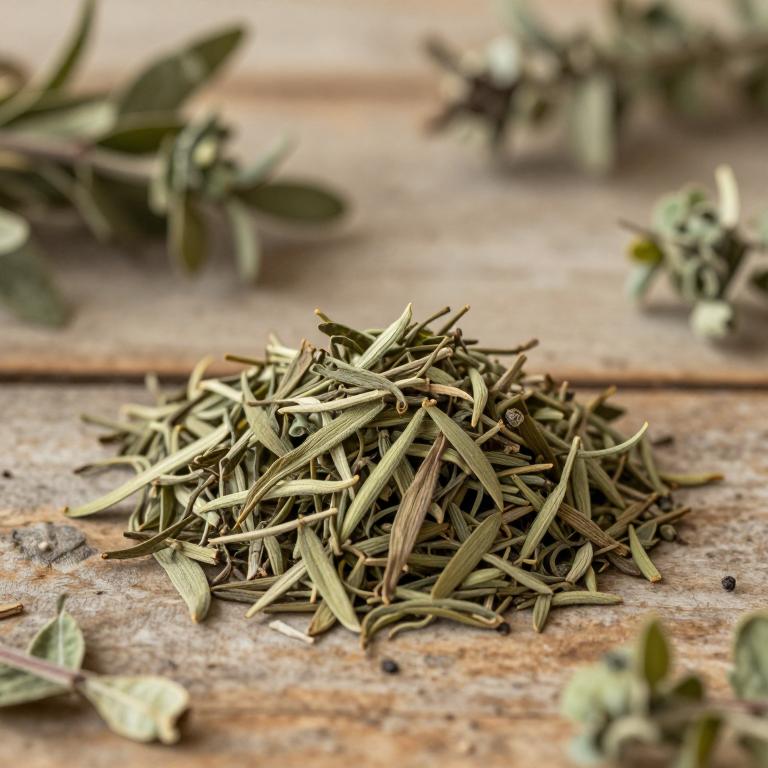
Ephedra distachya subsp. distachya, specifically in the form of Ephedra vulgaris dry branches, is utilized by practitioners of local herbal medicines to combat various diseases. This plant is particularly significant for its medicinal application in treating respiratory tract infections. The study evaluates how such plants and their specific recipes serve as potent tools against these types of illnesses. Through the use of these botanical resources, the plant contributes to the management of infectious conditions. Consequently, it plays a vital role in traditional medicinal practices targeting the respiratory system.
Preparations
Ephedra distachya subsp. distachya is prepared as dry branches for use in ethnomedicinal recipes. These branches are utilized by hakims to create treatments specifically targeting various infectious diseases. The study focuses on how such plant parts contribute to medicinal recipes used against respiratory tract infections. By using the dry branches, practitioners can harness the potential antibacterial activities of the plant. This specific preparation method is essential for the formulation of the medicinal recipes evaluated in the research.