Ephedra breana
Ephedra breana · Accepted scientific name
Scientific literature: Very Sparse (0 studies) · ★☆☆☆☆
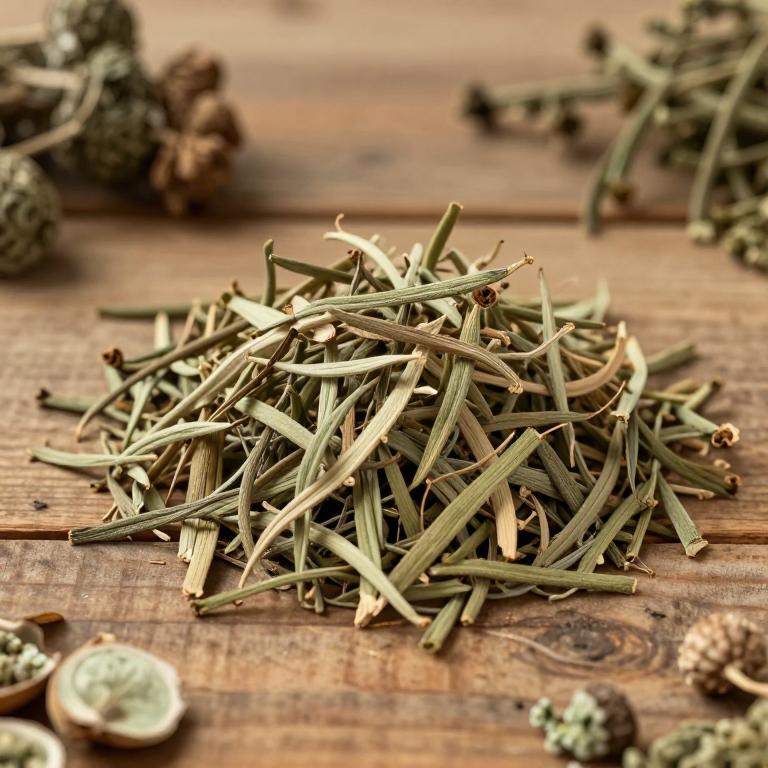
Ephedra breana is a distinctive shrubby species native to specific arid regions of Australia. This plant belongs to a genus well-known for containing various bioactive alkaloids within its stems. In many traditional and scientific applications, the plant is primarily utilized through the production of concentrated extracts. These preparations allow for the isolation of specific chemical compounds for study or therapeutic use. Understanding the chemical profile of these extracts is essential for exploring the botanical potential of the species.
- Synonyms
- Ephedra Haenkeana · Ephedra Wraithiana
- Common names
- Not available
- Family
- Ephedraceae
- Distribution
- Not available
- Plant Parts
- Not available
Classification
Common Names
Ephedra breana is a versatile plant known by a diverse array of regional names. Depending on the local area, it may be referred to as Frutilla De Campo or simply Granada. Some communities also use the name Granadilla to identify this specific species. In other regions, the plant is commonly called Pingo or Pingo-pingo. These various monikers highlight the deep cultural and linguistic connections tied to the plant's identity.
Sources: Catalogue of Life (COL)
Synonyms
Ephedra breana is a botanical species that has been identified under several different scientific names throughout history. Within taxonomic records, it is recognized as having the synonym Ephedra haenkeana. Furthermore, the plant is also associated with the synonym Ephedra wraithiana in various botanical classifications. These overlapping designations highlight the complex evolutionary and naming history associated with the species. Understanding these relationships is essential for researchers studying the precise identity and distribution of this plant.
Sources: The World Checklist of Vascular Plants (WCVP)
Taxonomy
Ephedra breana is a unique botanical specimen belonging to the kingdom Plantae. Within this vast kingdom, it is classified under the class Equisetopsida. This plant is further organized into the order Ephedrales, which defines its specific evolutionary lineage. It resides within the family Ephedraceae, a group that highlights its distinct biological traits. Ultimately, this species is identified by its placement in the genus Ephedra.
| Rank | Classification |
|---|---|
| Kingdom | Plantae |
| Phylum | Streptophyta |
| Class | Equisetopsida |
| Subclass | Gnetidae |
| Order | Ephedrales |
| Family | Ephedraceae |
| Genus | Ephedra |
Sources: The World Checklist of Vascular Plants (WCVP)
Distribution
Geographic Regions
Ephedra breana exhibits a broad geographic range that spans several key regions across Southern America. This resilient species is found throughout the northwestern reaches of Argentina and the northern territories of Chile. Its presence also extends into Western South America, specifically occupying parts of Bolivia. Furthermore, the plant can be located within the diverse landscapes of Peru. Together, these distributions highlight the widespread nature of the species throughout the southern continent.
Sources: The World Checklist of Vascular Plants (WCVP)
Identification
Morphology
Ephedra breana grows in a distinct shrub form that allows it to thrive in its natural environment. This hardy plant is entirely self-supporting, maintaining its structure without the need for external aid.
Sources: Global Inventory of Floras and Traits (GIFT)
Biological Activities
Compounds
Conditions
Preparations
Ephedra breana is prepared as extracts to be used in the assessment of antimicrobial activity. These specific preparations are part of a study involving eighteen different plant extracts from the San Juan province of Argentina. Researchers evaluated the efficacy of these extracts against various types of bacteria and fungi. The study utilized the agar dilution method to determine how these substances interact with different pathogens. Consequently, the preparation of Ephedra breana serves as a key component in testing traditional medicinal plants for their biological potential.