Entada goetzei
Entada goetzei · Accepted scientific name
Scientific literature: Very Sparse (0 studies) · ★☆☆☆☆
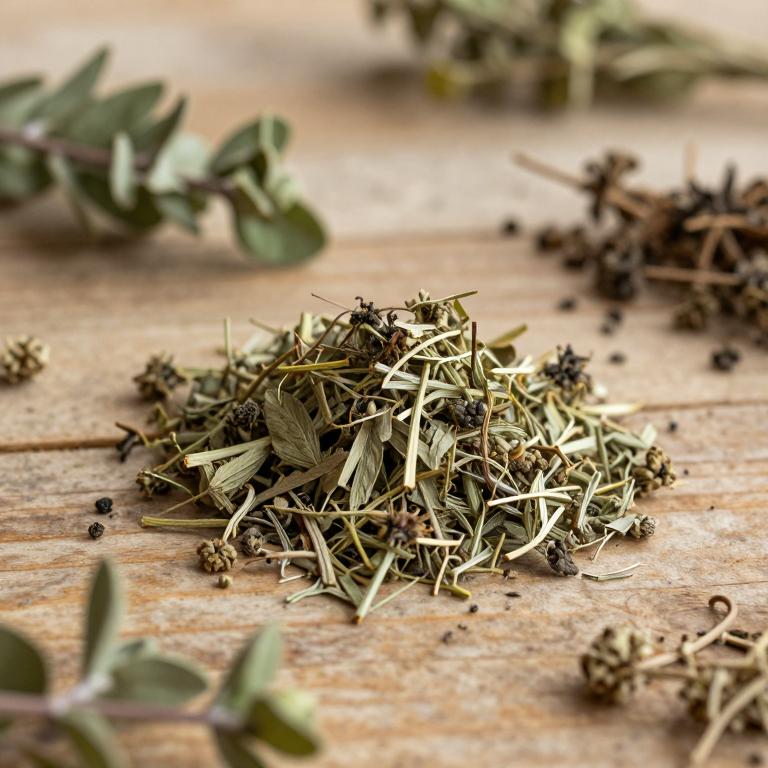
Entada goetzei is a distinctive climbing plant known for its robust growth patterns in tropical environments. A key characteristic of this species is its thick, woody stem that provides the necessary structural support for its climbing habit. These stems serve as the primary conduit for transporting nutrients throughout the sprawling vine. By utilizing its strong stem, the plant is able to ascend toward sunlight to maximize its photosynthetic potential. Understanding the anatomy of the stem is essential for studying the overall development and resilience of this species.
- Synonyms
- Piptadenia Goetzei · Elephantorrhiza Goetzei
- Common names
- Not available
- Family
- Fabaceae
- Distribution
- Not available
- Plant Parts
- Stem
Classification
Common Names
Entada goetzei is a plant recognized by a diverse array of local names that reflect its regional importance. Depending on the specific area or dialect, it is commonly referred to as chiurayi or churai. Some communities also identify the species as mereko to distinguish it within their local flora. Furthermore, the plant is frequently known by the names mosidi and mosidigodimo. These various linguistic labels highlight the deep cultural connection people have with this particular species.
Sources: Catalogue of Life (COL)
Synonyms
Entada goetzei is a botanical species that is frequently identified by various scientific names within academic literature. In some taxonomic classifications, this plant is recognized by the synonym Elephantorrhiza goetzei. It is also known to be associated with the name Piptadenia goetzei in certain contexts. These overlapping designations highlight the complex history of its botanical nomenclature. Understanding these relationships is essential for researchers navigating the diverse records of plant taxonomy.
Sources: The World Checklist of Vascular Plants (WCVP)
Taxonomy
Entada goetzei is a remarkable species that belongs to the vast kingdom Plantae. Within this botanical kingdom, the plant is classified under the class Equisetopsida. It further belongs to the order Fabales, showcasing its place in a specific evolutionary lineage. As a member of the family Fabaceae, it shares characteristics with many well-known legumes. Finally, its taxonomic identity is solidified by its classification within the genus Entada.
| Rank | Classification |
|---|---|
| Kingdom | Plantae |
| Phylum | Streptophyta |
| Class | Equisetopsida |
| Subclass | Magnoliidae |
| Order | Fabales |
| Family | Fabaceae |
| Genus | Entada |
Sources: The World Checklist of Vascular Plants (WCVP)
Distribution
Geographic Regions
Entada goetzei is a plant species with a diverse geographic range spanning several regions across the African continent. Its distribution includes East Tropical Africa, specifically within the borders of Tanzania. Additionally, the species is widely found throughout South Tropical Africa. This presence extends to several key nations, including Angola, Malawi, Mozambique, and Zambia. Together, these locations highlight the significant ecological footprint this plant maintains across various African landscapes.
Sources: The World Checklist of Vascular Plants (WCVP)
Identification
Biological Activities
Compounds
Conditions
Entada goetzei demonstrates significant anthelmintic properties through its ability to treat schistosomules. Specifically, the study indicates that extracts derived from the stem bark of this species are highly effective against these trematode stages. This plant was identified as one of the top performers during the screening of various Zimbabwean medicinal species. The research highlights that its chemical constituents can successfully target and kill the newly excysted larvae in an in vitro setting. Consequently, Entada goetzei stands out as a potent natural candidate for combating schistosomiasis.
Preparations
Parts used
Entada goetzei is highlighted in recent pharmacological studies due to its significant anthelmintic potential. Researchers specifically focused on the plant's medicinal properties when screening traditional Zimbabwean species against parasitic worms. Within these investigations, the stem was identified as a key component used for creating effective extracts. These stem-derived extracts demonstrated notable activity against schistosomules during in vitro testing. Ultimately, the findings suggest that utilizing the stem of this species can be an effective strategy in combating parasitic infections.