Entada burkei
Entada burkei · Accepted scientific name
Scientific literature: Very Sparse (1 studies) · ★☆☆☆☆
Entada burkei is a botanical species recognized for its diverse medicinal potential and biological significance. Researchers have focused on investigating the therapeutic properties of its various components, including the leaf, rhizome, and root. Through the application of different extracts, the plant has demonstrated significant biological efficacy in various studies. Most notably, these preparations have been evaluated for their potent antibacterial activities against diverse pathogens. Understanding these characteristics provides valuable insights into the plant's role in traditional and modern pharmacology.
- Synonyms
- Elephantorrhiza Burkei · Elephantorrhiza Elephantina Var. Burkei
- Common names
- Not available
- Family
- Fabaceae
- Distribution
- Not available
- Plant Parts
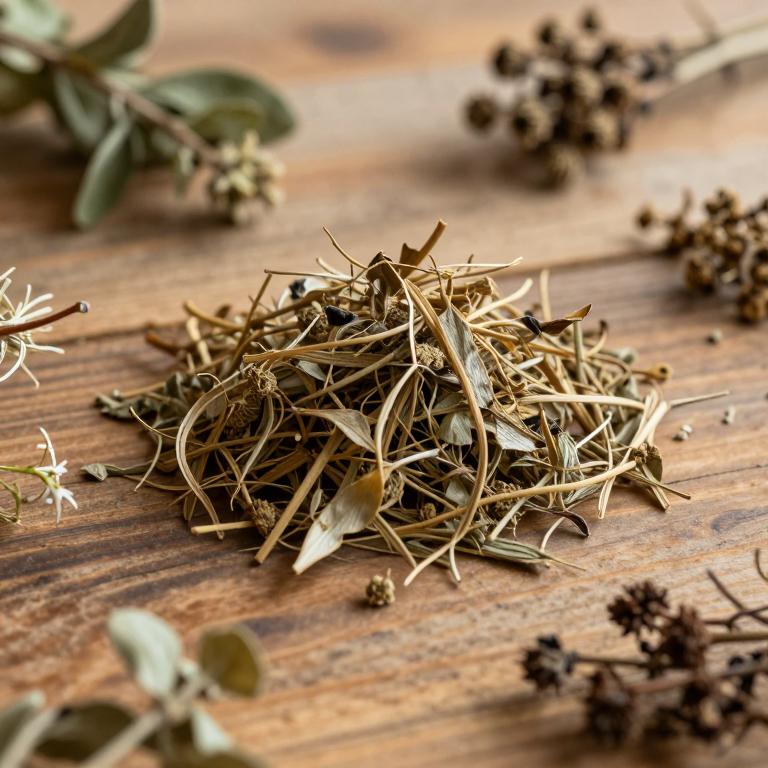
- Leaf · Rhizome
Classification
Common Names
Entada burkei is a versatile plant known by a wide variety of regional and descriptive names. It is frequently referred to as the Broadpod Elephantroot or simply Elephant Root in many botanical circles. Some enthusiasts also identify the species as the Sumach Bean or the Sumach Elephantroot. In certain local contexts, the plant is even recognized by the unique name basboontjie. This diversity of nomenclature highlights the plant's widespread presence and various cultural connections.
Sources: Catalogue of Life (COL)
Synonyms
Entada burkei is a botanical species that is frequently identified through various scientific nomenclatures. Within taxonomic literature, it is officially recognized as having the synonym Elephantorrhiza burkei. Furthermore, the plant is also associated with the synonym Elephantorrhiza elephantina var. burkei. These overlapping names reflect the complex history of its classification within the botanical community. Understanding these relationships is essential for researchers seeking to accurately identify the species in the field.
Sources: The World Checklist of Vascular Plants (WCVP)
Taxonomy
Entada burkei belongs to the vast kingdom Plantae, representing the diverse life forms found within the botanical world. This specific species is classified under the class Equisetopsida, distinguishing its biological structure from other groups. Within this hierarchy, it falls under the order Fabales, which helps scientists understand its evolutionary lineage. It is further categorized into the family Fabaceae, a group known for its significant ecological roles. Finally, this plant is identified by its unique genus, Entada, which defines its specific botanical identity.
| Rank | Classification |
|---|---|
| Kingdom | Plantae |
| Phylum | Streptophyta |
| Class | Equisetopsida |
| Subclass | Magnoliidae |
| Order | Fabales |
| Family | Fabaceae |
| Genus | Entada |
Sources: The World Checklist of Vascular Plants (WCVP)
Distribution
Geographic Regions
Entada burkei is a resilient species widely distributed throughout various regions of the African continent. Its presence is notably established across South Tropical Africa, where it can be found thriving in Mozambique and Zimbabwe. The plant also extends its reach into Southern Africa, making a significant impact within the borders of Botswana. Furthermore, its geographical footprint includes the northern provinces, showcasing a broad ecological adaptability. This diverse range highlights the plant's ability to inhabit multiple distinct environments across the southern reaches of Africa.
Sources: The World Checklist of Vascular Plants (WCVP)
Identification
Biological Activities
Entada burkei was one of several medicinal plant species investigated during an ethnobotanical survey in the Limpopo Province of South Africa. The study specifically examined these plants for their potential antibacterial activities to validate their traditional use in treating diarrhoea. Researchers tested various extracts against a range of harmful pathogens, including Vibrio cholerae and Escherichia coli. While many of the investigated species demonstrated significant inhibitory effects, the extracts from Entada burkei were found to be inactive against certain bacteria like Escherichia coli and Salmonella typhi. Despite this specific limitation, the overall findings of the study support the broad antibacterial potential of the local flora used in traditional medicine.
Compounds
Conditions
Entada burkei demonstrates significant medicinal potential through its various traditional applications and biological activities. In studies involving mutagenicity, the plant showed a weak effect towards the Salmonella typhimurium strain TA98. It is also recognized within ethnobotanical practices for its traditional use in the treatment of diarrhoea. Furthermore, the plant is among the species investigated for its antimicrobial properties specifically aimed at treating sexually transmitted diseases (STDs). These diverse roles highlight the plant's importance in managing both infectious and venereal conditions.
Preparations
Entada burkei is prepared as extracts to investigate its potential antimicrobial activity against sexually transmitted diseases. These prepared extracts were specifically studied using the agar dilution method to assess their antibacterial properties. By processing the plant into an extract, researchers were able to evaluate its traditional ethnomedicinal uses in a scientific context. This preparation allows for the testing of the plant's bioactive potential alongside other medicinal species. Such extraction processes are essential for determining the efficacy and toxicity of the plant's components.
Parts used
Entada burkei is one of the medicinal plant species identified during an ethnobotanical survey in Limpopo Province, South Africa. Researchers investigated various components of this plant to evaluate their potential for treating diarrhoea. Specifically, the study focused on extracts derived from the leaf, the root, and the stem rhizome. These different plant parts were screened against several bacterial strains, including Escherichia coli and Salmonella typhi, using various solvents. Ultimately, the investigation sought to confirm the antibacterial potential of these specific parts of Entada burkei within traditional medical practices.