Enkianthus
Enkianthus · Accepted scientific name
Scientific literature: Very Sparse (0 studies) · ★☆☆☆☆
Enkianthus is a diverse genus of flowering shrubs known for their delicate bell-shaped blossoms and charming woodland presence. Beyond its aesthetic appeal in gardens, this plant has long been studied for its potential therapeutic properties. Some traditional practices suggest it may offer relief for respiratory issues such as asthma and persistent coughs. Furthermore, its chemical constituents are often explored for their ability to combat various forms of inflammation. Understanding the multifaceted nature of Enkianthus reveals a unique intersection between ornamental beauty and medicinal interest.
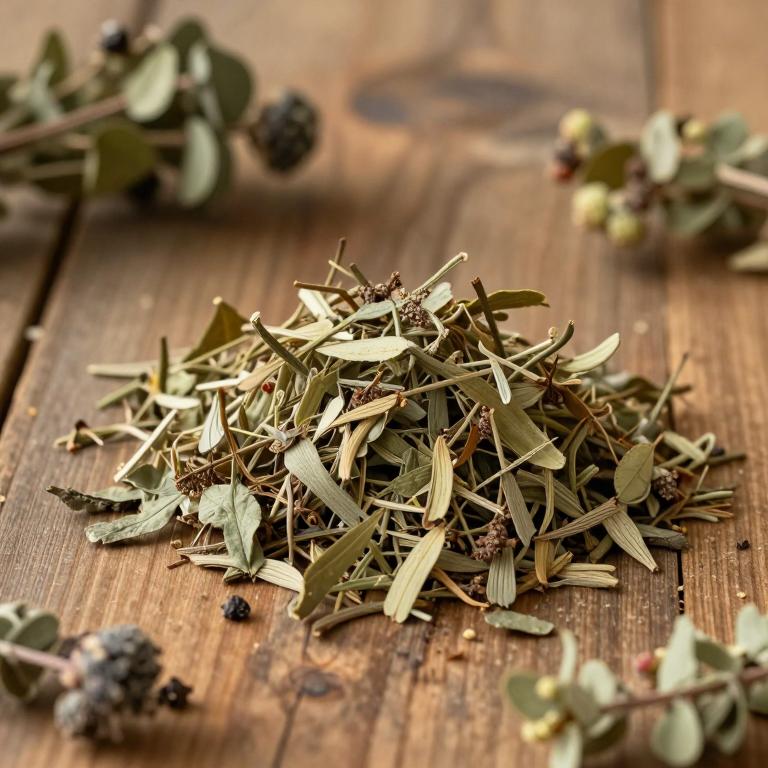
- Synonyms
- Melidora · Tritomodon · 1 more
- Common names
- Not available
- Family
- Ericaceae
- Distribution
- Not available
- Plant Parts
- Not available
Classification
Common Names
Enkianthus is a versatile flowering plant known by many different names depending on the region and language. In certain areas, it is affectionately referred to by the common name datyně. It is also frequently identified as enkianthuses in various botanical contexts. In Estonian-speaking circles, you might hear it called kellopensaat or klockbuskar. Finally, the plant is widely recognized by the name zvonkovec, reflecting its unique bell-like blooms.
Sources: Catalogue of Life (COL)
Synonyms
Enkianthus is a diverse genus that has undergone various taxonomic reclassifications throughout botanical history. Due to these shifts, the plant is often associated with several distinct synonyms in scientific literature. Specifically, it has been classified under the names Bodinieriella and Melidora in different studies. Additionally, the name Tritomodon serves as another recognized synonym for members of this group. Understanding these nomenclatural relationships is essential for researchers navigating the complex history of the genus.
Sources: The World Checklist of Vascular Plants (WCVP)
Taxonomy
Enkianthus is a distinctive member of the kingdom Plantae that belongs to the class Equisetopsida. Within this broad biological group, the plant is classified under the order Ericales. It further resides in the Ericaceae family, which highlights its specific botanical characteristics. As a specialized organism, it is categorized under its own unique genus, Enkianthus. Through these various taxonomic levels, its precise place in the natural world is clearly defined.
| Rank | Classification |
|---|---|
| Kingdom | Plantae |
| Phylum | Streptophyta |
| Class | Equisetopsida |
| Subclass | Magnoliidae |
| Order | Ericales |
| Family | Ericaceae |
| Genus | Enkianthus |
Sources: The World Checklist of Vascular Plants (WCVP)
Distribution
Geographic Regions
Enkianthus is a resilient genus primarily distributed across the diverse landscapes of the Asia-Temperate region. Within China, its presence is widespread, stretching from the South-Central provinces to the lush southeastern territories. The plant also thrives in unique environments ranging from the tropical island of Hainan to the high altitudes of Tibet. Beyond mainland China, its natural range extends eastward into the temperate forests of Japan. This broad geographical footprint highlights the adaptability of Enkianthus across various East Asian ecosystems.
Sources: The World Checklist of Vascular Plants (WCVP)
Identification
Biological Activities
Compounds
Conditions
Enkianthus is utilized as a Chinese herbal medicine to address several specific health conditions. This plant is known to be effective in the treatment of asthma. Additionally, it serves as a remedy for managing persistent coughs. The medicinal properties of Enkianthus also extend to the reduction of inflammation. These diverse therapeutic applications highlight its significant role in traditional herbal practices.