Endiandra anthropophagorum
Endiandra anthropophagorum · Accepted scientific name
Scientific literature: Very Sparse (6 studies) · ★☆☆☆☆
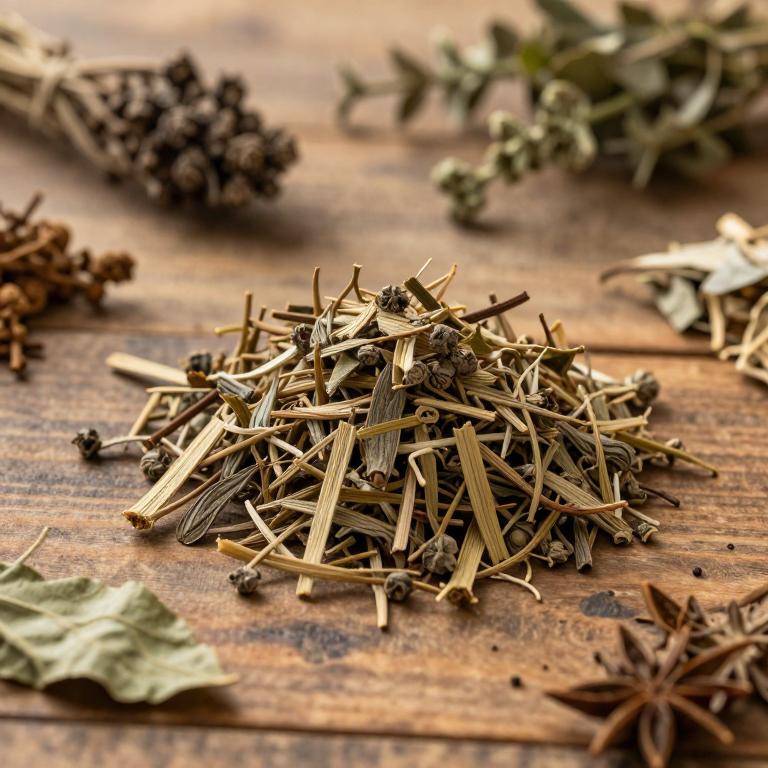
, scientifically known as Endiandra anthropophagorum, is a rare medicinal plant celebrated for its potent therapeutic properties. Often found in dense tropical ecosystems, it is utilized in traditional healing practices to treat various ailments. Understanding its chemical composition is crucial for discovering new pharmacological breakthroughs in modern medicine.
- Family
- Lauraceae
- Native range
- Australasia
- Parts used
- Root
- Common names
- Not available
- Scientific synonyms
- Not available
Names and Synonyms
Scientific Names
Accepted name
Endiandra anthropophagorumSources: Wikidata
Taxonomical Classification
This plant, Endiandra anthropophagorum, belongs to the kingdom Plantae and the phylum Streptophyta. It is further classified under the class Equisetopsida and the subclass Magnoliidae within the order Laurales. Finally, it is a member of the family Lauraceae and falls under the genus Endiandra.
| Rank | Classification |
|---|---|
| Kingdom | Plantae |
| Phylum | Streptophyta |
| Class | Equisetopsida |
| Subclass | Magnoliidae |
| Order | Laurales |
| Family | Lauraceae |
| Genus | Endiandra |
Sources: The World Checklist of Vascular Plants (WCVP)
Distribution
This plant is characterized by a very specific and limited geographical range. It is currently known to grow only within the borders of Australia. Specifically, its documented presence is confined to the state of Queensland. This localized distribution suggests that the species may have unique environmental requirements found in that region. Consequently, researchers focus their botanical studies on this particular part of the Australian continent.
| Region | Area |
|---|---|
| Australia | Queensland |
Sources: The World Checklist of Vascular Plants (WCVP)
Plant Parts
Endiandra anthropophagorum has 1 reported plant parts identified across 1 scientific publications and several other databases that are studied for medicinal purposes. The most consistently reported plant part include root.
| Plant part | Supporting sources | Consensus |
|---|---|---|
| Root | 1 supporting sources | ★☆☆☆☆ |
Root
- Bioorganic & medicinal chemistry
Chemicals
Endiandra anthropophagorum has 4 reported phytochemicals identified across 1 scientific publications and several other databases. The most consistently reported chemicals include (-)-dihydroguaiaretic acid, ENDIANDRIN A, ENDIANDRIN B, cinbalansan.
| Chemical | Supporting sources | Consensus |
|---|---|---|
| (-)-dihydroguaiaretic acid | 1 supporting sources | ★☆☆☆☆ |
| ENDIANDRIN A | 1 supporting sources | ★☆☆☆☆ |
| ENDIANDRIN B | 1 supporting sources | ★☆☆☆☆ |
| cinbalansan | 1 supporting sources | ★☆☆☆☆ |
(-)-dihydroguaiaretic acid
- Bioorganic & medicinal chemistry
ENDIANDRIN A
- Bioorganic & medicinal chemistry
ENDIANDRIN B
- Bioorganic & medicinal chemistry
cinbalansan
- Bioorganic & medicinal chemistry
Activities
Endiandra anthropophagorum has 1 reported activities identified across 1 scientific publications and several other databases. The most consistently reported activities include Cytotoxic.
| Activity | Supporting sources | Consensus |
|---|---|---|
| Cytotoxic | 1 supporting sources | ★☆☆☆☆ |
Cytotoxic
- Bioorganic & medicinal chemistry
Preparations
Endiandra anthropophagorum has 1 reported preparations identified across 1 scientific publications and several other databases. The most consistently reported preparations include DCM extract from the roots.
| Preparation | Supporting sources | Consensus |
|---|---|---|
| Dcm extract from the roots | 1 supporting sources | ★☆☆☆☆ |
Dcm extract from the roots
- Bioorganic & medicinal chemistry