Emilia fosbergii
Emilia fosbergii · Accepted scientific name
Scientific literature: Very Sparse (0 studies) · ★☆☆☆☆
Emilia fosbergii is a distinctive herbaceous plant that has garnered increasing interest within the field of ethnopharmacology. Recent scientific investigations have focused on the complex chemical profiles found within its various biological components. Specifically, researchers have utilized methanolic extracts to isolate and study the bioactive compounds present in the species. These preparations serve as a vital tool for identifying the secondary metabolites responsible for the plant's potential therapeutic properties. Understanding these extracts provides essential insights into the medicinal value and phytochemical diversity of this unique taxon.
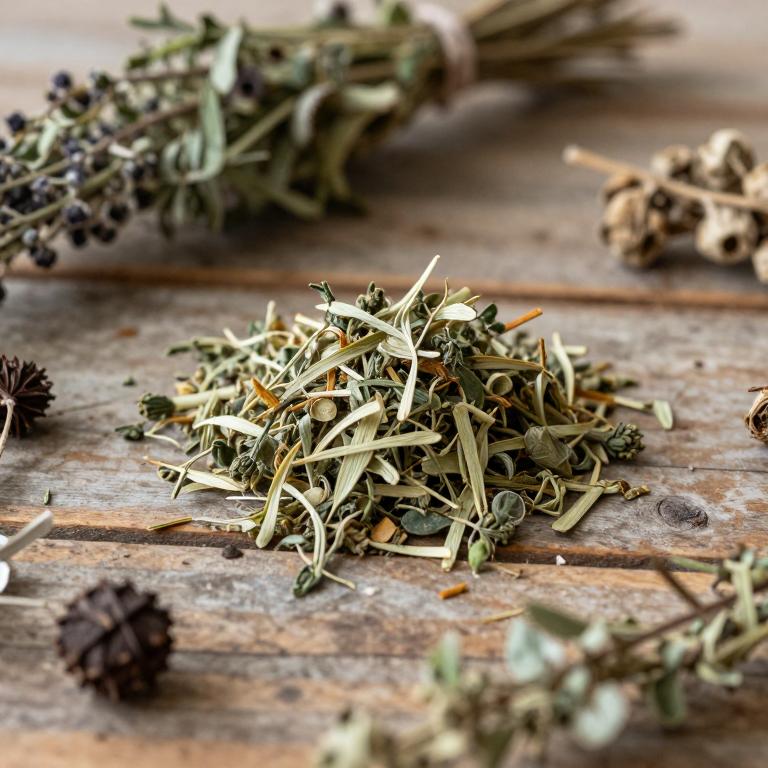
- Synonyms
- Emilia Sonchifolia Var. Rosea
- Common names
- Not available
- Family
- Asteraceae
- Distribution
- Not available
- Plant Parts
- Not available
Classification
Common Names
Emilia fosbergii is a versatile plant recognized by a diverse array of regional names across different cultures. It is commonly referred to as Algodão-de-preá in certain areas, reflecting its unique physical characteristics. In other regions, the species is affectionately known as Borlita or Clavelillo africano. Local communities also frequently identify it as Clavelillos del cafetal, especially where it thrives near coffee plantations. Finally, the plant is often called Clavelito colorado, a name that highlights its distinctive vibrant appearance.
Sources: Catalogue of Life (COL)
Synonyms
Emilia fosbergii is a plant species that is frequently identified in botanical literature through its taxonomic synonyms. Specifically, this species is often referred to by the name Emilia sonchifolia var. rosea in various scientific records. Understanding these naming variations is essential for researchers tracking the plant's distribution and genetic diversity. Such nomenclatural links ensure that different studies referencing these terms are correctly attributed to the same biological entity. Consequently, recognizing these relationships helps maintain clarity within the complex field of botanical classification.
Sources: The World Checklist of Vascular Plants (WCVP)
Taxonomy
Emilia fosbergii is a distinctive member of the kingdom Plantae. Within this vast biological realm, the species is classified under the class Equisetopsida. It belongs to the order Asterales, a group that showcases significant evolutionary diversity. Furthermore, this plant is a representative of the family Asteraceae, characterized by its complex floral structures. Ultimately, its taxonomic identity is defined by its placement within the specific genus Emilia.
| Rank | Classification |
|---|---|
| Kingdom | Plantae |
| Phylum | Streptophyta |
| Class | Equisetopsida |
| Subclass | Magnoliidae |
| Order | Asterales |
| Family | Asteraceae |
| Genus | Emilia |
Sources: The World Checklist of Vascular Plants (WCVP)
Distribution
Geographic Regions
Emilia fosbergii exhibits a remarkably wide geographical range that spans multiple continents and diverse climates. In Asia, the species is found across both temperate regions of Eastern Asia and Taiwan, as well as tropical areas throughout the Indian Subcontinent and India. Its presence extends into Europe, specifically within the Middle Europe region of Germany. The plant also establishes itself in North America, appearing in Southeast Mexico and throughout the South-Central United States, particularly in Texas. This expansive distribution highlights the significant adaptability of the species to varying global environments.
Sources: The World Checklist of Vascular Plants (WCVP)
Identification
Morphology
Emilia fosbergii is a self-supporting herb that maintains a compact presence in its natural habitat. This plant typically reaches a maximum height of 1 meter, though it can grow as small as 0.2 meters. Its growth form allows it to thrive independently without the need for external structural support. These dimensions characterize the modest yet resilient stature of this specific species.
Sources: Global Inventory of Floras and Traits (GIFT)
Biological Activities
Compounds
Conditions
Emilia fosbergii demonstrates anti-viral activity against the Herpes simplex 1 pathogen. During a screening of 72 plant extracts from El Salvador, this specific plant was identified as one of eighteen methanolic extracts capable of inhibiting the virus. The study notes that anti-herpetic activity had not been previously reported for this species. Its effectiveness contributes to the search for novel anti-virals to combat resistant strains of the virus. Consequently, the plant serves as a significant natural product for potential medical treatment.
Preparations
Emilia fosbergii is prepared as methanolic extracts to test for medicinal properties. In a study screening plants from El Salvador, these specific extracts were evaluated for their anti-viral activity against Herpes simplex 1. The research identified this plant as one of the fourteen species whose anti-herpetic activity had not been previously reported. Through the use of a qPCR method, the efficacy of these methanolic preparations was assessed alongside other natural products. This preparation method allowed researchers to determine if the plant could serve as a novel source for anti-viral treatment.