Embelia
Embelia · Accepted scientific name
Scientific literature: Very Sparse (0 studies) · ★☆☆☆☆
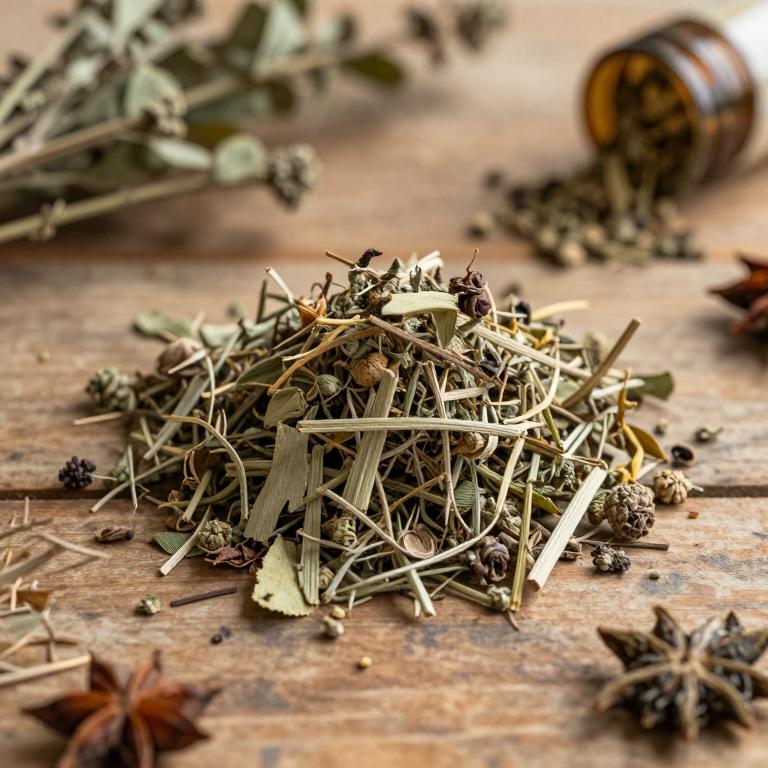
Embelia is a fascinating genus of plants that is frequently recognized for its unique botanical characteristics. While various species exist within this group, much of the interest lies in the development of its specialized fruit. These fruits serve as a vital component for the plant's reproductive cycle and ecological interactions. Researchers often study these structures to uncover the medicinal or nutritional properties they might possess. Understanding the nuances of the Embelia fruit provides deeper insight into the overall biology of the species.
- Synonyms
- Pattara · Samara · 4 more
- Common names
- Not available
- Family
- Primulaceae
- Distribution
- Southern America
- Plant Parts
- Fruit
Classification
Common Names
Embelia is a botanical genus that is recognized by several different names depending on the linguistic context. It is frequently referred to by the common English name Embelias in various scientific discussions. In some regions, the name is specifically spelled as embélia to reflect local phonetic preferences. Furthermore, the plant is identified by its Chinese common name, 酸藤子屬, within East Asian botanical studies. Understanding these various designations is essential for anyone studying the diverse nomenclature of this genus.
Sources: Catalogue of Life (COL)
Synonyms
Embelia is a botanical genus that is recognized across various scientific literatures through several different nomenclatural designations. It is frequently associated with the synonym Calispermum, reflecting historical shifts in taxonomic classification. Researchers also encounter this plant under the names Choripetalum and Ghesaembilla in diverse botanical records. Furthermore, the genus has been linked to the synonyms Grenacheria and Pattara in specialized studies. Understanding these multiple names is essential for accurately identifying the plant across different academic contexts.
Sources: The World Checklist of Vascular Plants (WCVP)
Taxonomy
Embelia is a fascinating member of the kingdom Plantae that showcases the intricate complexity of biological classification. Belonging to the order Ericales, this plant occupies a specific niche within the natural world. It is further categorized under the class Equisetopsida, highlighting its evolutionary lineage. Within this framework, it is classified under the family Primulaceae, which defines many of its unique botanical characteristics. Ultimately, the plant is identified by its specific genus, Embelia, completing its formal scientific profile.
| Rank | Classification |
|---|---|
| Kingdom | Plantae |
| Phylum | Streptophyta |
| Class | Equisetopsida |
| Subclass | Magnoliidae |
| Order | Ericales |
| Family | Primulaceae |
| Genus | Embelia |
Sources: The World Checklist of Vascular Plants (WCVP)
Distribution
Geographic Regions
Embelia is widely distributed across various regions within the African continent. Specifically, it can be found throughout East Tropical Africa, including Kenya, Tanzania, and Uganda. The plant also extends its reach into Northeast Tropical Africa, where it thrives in Ethiopia. Additionally, its presence is noted within the territories of Sudan and South Sudan. This wide geographical range highlights the plant's ability to adapt to diverse African environments.
Sources: The World Checklist of Vascular Plants (WCVP)
Identification
Biological Activities
Compounds
Conditions
Preparations
Parts used
Embelia ribes Burm. f. is a significant medicinal plant that has garnered global attention within the field of complementary and alternative medicine. Researchers have focused specifically on the Embelia fruit to understand how its chemical composition varies across different environments. By collecting samples from various locations in the Western Ghats of India, studies have aimed to map the complex metabolic profiles found within these fruits. Advanced liquid chromatography-tandem mass spectrometry revealed hundreds of compounds, many of which are unique to specific geographic regions. Ultimately, these findings highlight how the genetic diversity of the plant directly influences the chemical potency of its fruit.