Elsholtzia
Elsholtzia · Accepted scientific name
Scientific literature: Very Sparse (12 studies) · ★☆☆☆☆
, scientifically known as Elsholtzia, is a fascinating genus of deciduous trees within the Celastraceae family. Renowned for their elegant foliage and structural beauty, these plants offer more than just aesthetic value. In various traditional practices, different species are explored for their unique phytochemical properties and potential medicinal benefits.
- Family
- Lamiaceae
- Native range
- Europe
- Parts used
- Not available
- Common names
- Not available
- Scientific synonyms
- Aphanochilus · Paulseniella · 2 more
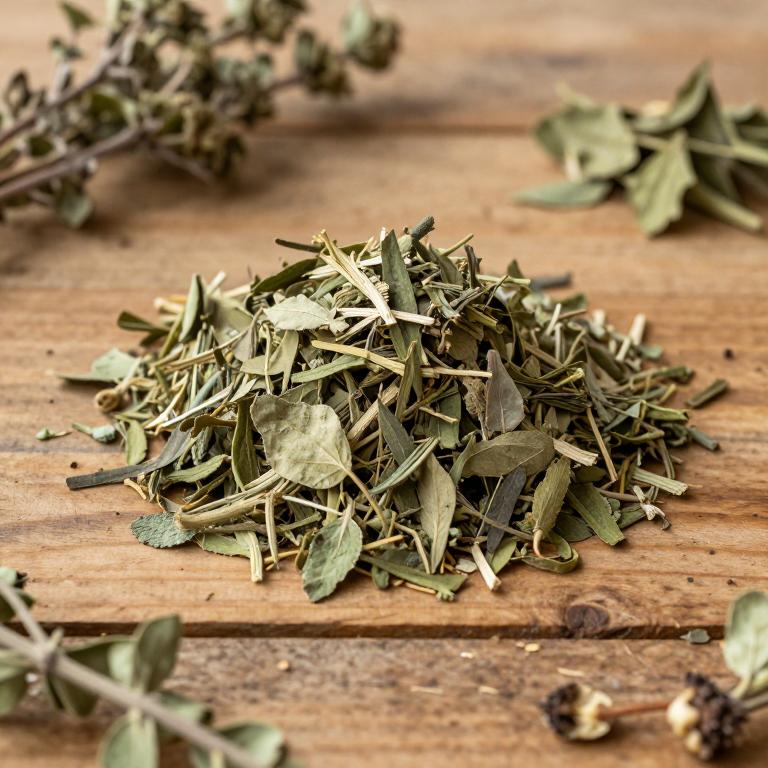
Names and Synonyms
Scientific Names
Accepted name
ElsholtziaSynonyms
- Aphanochilus
- Paulseniella
- Cyclostegia
- Platyelasma
Regional and Traditional Names
German:
- Kammminze
Sources: Wikidata, Catalogue of Life
Taxonomical Classification
This plant belongs to the kingdom Plantae and the phylum Streptophyta, placing it within the class Equisetopsida and subclass Magnoliidae. It is further classified under the order Lamiales and the family Lamiaceae. Ultimately, this medicinal species is identified by the genus Elsholtzia.
| Rank | Classification |
|---|---|
| Kingdom | Plantae |
| Phylum | Streptophyta |
| Class | Equisetopsida |
| Subclass | Magnoliidae |
| Order | Lamiales |
| Family | Lamiaceae |
| Genus | Elsholtzia |
Sources: The World Checklist of Vascular Plants (WCVP)
Distribution
This plant exhibits a specific distribution pattern across various regions of the European continent. In Northern Europe, its presence can be identified within the territories of Denmark and Sweden. Moving toward Middle Europe, the species is found spanning across Germany and Poland. Furthermore, the geographical range extends through the central regions of Czechia and Slovakia. Together, these locations define the primary habitat for this medicinal species.
| Region | Area |
|---|---|
| Northern Europe | Denmark |
| Northern Europe | Sweden |
| Middle Europe | Czechia-Slovakia |
| Middle Europe | Germany |
| Middle Europe | Poland |
| Southeastern Europe | Italy |
| Southeastern Europe | Romania |
| Southeastern Europe | Türkiye-in-Europe |
| Southeastern Europe | NW. Balkan Pen. |
| Eastern Europe | Belarus |
Sources: The World Checklist of Vascular Plants (WCVP)
Chemicals
Elsholtzia has 4 reported phytochemicals identified across 0 scientific publications and several other databases. The most consistently reported chemicals include Elsholtzione, Flavonoids, GERANIOL, Terpenoids.
| Chemical | Supporting sources | Consensus |
|---|---|---|
| Elsholtzione | 1 supporting sources | ★☆☆☆☆ |
| Flavonoids | 1 supporting sources | ★☆☆☆☆ |
| GERANIOL | 1 supporting sources | ★☆☆☆☆ |
| Terpenoids | 1 supporting sources | ★☆☆☆☆ |
Elsholtzione
- Phytochemistry
Flavonoids
- Chemistry Central journal
GERANIOL
- Phytochemistry
Terpenoids
- Chemistry Central journal
Activities
Elsholtzia has 2 reported activities identified across 0 scientific publications and several other databases. The most consistently reported activities include Antiinflammatory, Hypolipidemic.
| Activity | Supporting sources | Consensus |
|---|---|---|
| Antiinflammatory | 1 supporting sources | ★☆☆☆☆ |
| Hypolipidemic | 1 supporting sources | ★☆☆☆☆ |
Antiinflammatory
- Combinatorial chemistry & high throughput screening
Hypolipidemic
- Combinatorial chemistry & high throughput screening
Conditions
Elsholtzia has 5 reported investigations on conditions identified across 0 scientific publications and several other databases. The most consistently reported conditions include abdominal pain, cholera, spleen, stomach, vomiting.
| Condition | Supporting sources | Consensus |
|---|---|---|
| Abdominal pain | 1 supporting sources | ★☆☆☆☆ |
| Cholera | 1 supporting sources | ★☆☆☆☆ |
| Spleen | 1 supporting sources | ★☆☆☆☆ |
| Stomach | 1 supporting sources | ★☆☆☆☆ |
| Vomiting | 1 supporting sources | ★☆☆☆☆ |
Abdominal pain
- Combinatorial chemistry & high throughput screening
Cholera
- Combinatorial chemistry & high throughput screening
Spleen
- Combinatorial chemistry & high throughput screening
Stomach
- Combinatorial chemistry & high throughput screening
Vomiting
- Combinatorial chemistry & high throughput screening
Preparations
Elsholtzia has 1 reported preparations identified across 0 scientific publications and several other databases. The most consistently reported preparations include volatile oils.
| Preparation | Supporting sources | Consensus |
|---|---|---|
| Volatile oils | 1 supporting sources | ★☆☆☆☆ |
Volatile oils
- Combinatorial chemistry & high throughput screening