Elephant's Feet
Elephantopus · Accepted scientific name
Scientific literature: Very Sparse (3 studies) · ★☆☆☆☆
Elephant's Feet, scientifically known as Elephantopus, is a versatile medicinal herb found in tropical regions. Renowned in traditional medicine, this plant offers significant therapeutic benefits, particularly for treating inflammation, fever, and digestive issues. Its bioactive compounds make it a subject of intense pharmacological interest for modern drug development.
- Family
- Asteraceae
- Native range
- Africa
- Parts used
- Not available
- Common names
- Elephant'S Feet
- Scientific synonyms
- Elephantopsis · Elephantosis · 2 more
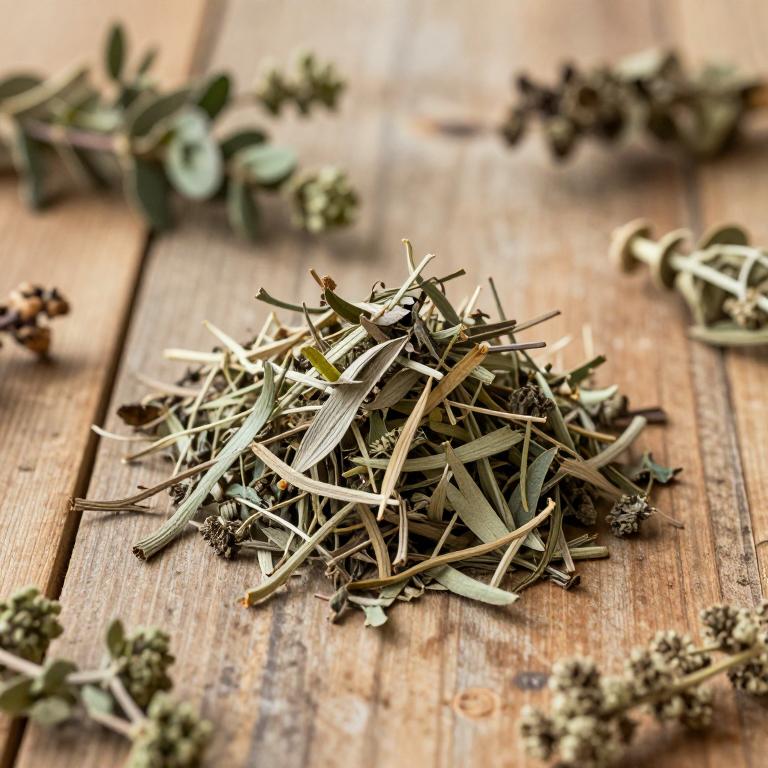
Names and Synonyms
Common Names
- Elephant's Feet
Scientific Names
Accepted name
ElephantopusSynonyms
- Elephantopsis
- Elephantosis
- Micropappus
- Anaschovadi
Regional and Traditional Names
Spanish:
- Orthopappus
Sources: Wikidata, Catalogue of Life
Taxonomical Classification
This plant belongs to the kingdom Plantae and the phylum Streptophyta, falling under the class Equisetopsida and subclass Magnoliidae. Within the order Asterales and the family Asteraceae, it is classified under the genus Elephantopus.
| Rank | Classification |
|---|---|
| Kingdom | Plantae |
| Phylum | Streptophyta |
| Class | Equisetopsida |
| Subclass | Magnoliidae |
| Order | Asterales |
| Family | Asteraceae |
| Genus | Elephantopus |
Sources: The World Checklist of Vascular Plants (WCVP)
Distribution
This plant exhibits a specific geographical distribution centered within the West Tropical Africa region. It is documented to grow naturally in the country of Benin. Additionally, its presence is noted throughout Burkina Faso. The species can also be found extending into Ghana. Finally, its range includes the nations of Guinea-Bissau and Guinea.
| Region | Area |
|---|---|
| West Tropical Africa | Benin |
| West Tropical Africa | Burkina |
| West Tropical Africa | Ghana |
| West Tropical Africa | Guinea-Bissau |
| West Tropical Africa | Guinea |
| West Tropical Africa | Ivory Coast |
| West Tropical Africa | Mali |
| West Tropical Africa | Nigeria |
| West Tropical Africa | Senegal |
| West Tropical Africa | Sierra Leone |
Sources: The World Checklist of Vascular Plants (WCVP)
Activities
Elephantopus has 3 reported activities identified across 0 scientific publications and several other databases. The most consistently reported activities include Antimicrobial, Antiprotozoal, Cytotoxic.
| Activity | Supporting sources | Consensus |
|---|---|---|
| Antimicrobial | 1 supporting sources | ★☆☆☆☆ |
| Antiprotozoal | 1 supporting sources | ★☆☆☆☆ |
| Cytotoxic | 1 supporting sources | ★☆☆☆☆ |
Antimicrobial
- Phytochemistry
Antiprotozoal
- Phytochemistry
Cytotoxic
- Phytochemistry