Elaeocarpus sphaericus
Elaeocarpus sphaericus · Accepted scientific name
Scientific literature: Very Sparse (13 studies) · ★☆☆☆☆
Commonly referred to as the Soap Nut, scientifically known as Elaeocarpus sphaericus, is a versatile medicinal plant native to tropical regions. Renowned for its high saponin content, it serves as a natural cleansing agent. Traditionally, it is utilized for treating skin ailments, respiratory issues, and promoting overall hair health.
- Family
- Elaeocarpaceae
- Native range
- Asia-Tropical
- Parts used
- Fruit
- Common names
- Not available
- Scientific synonyms
- Elaeocarpus Ganitrus · Ganitrus Sphaerica · 1 more
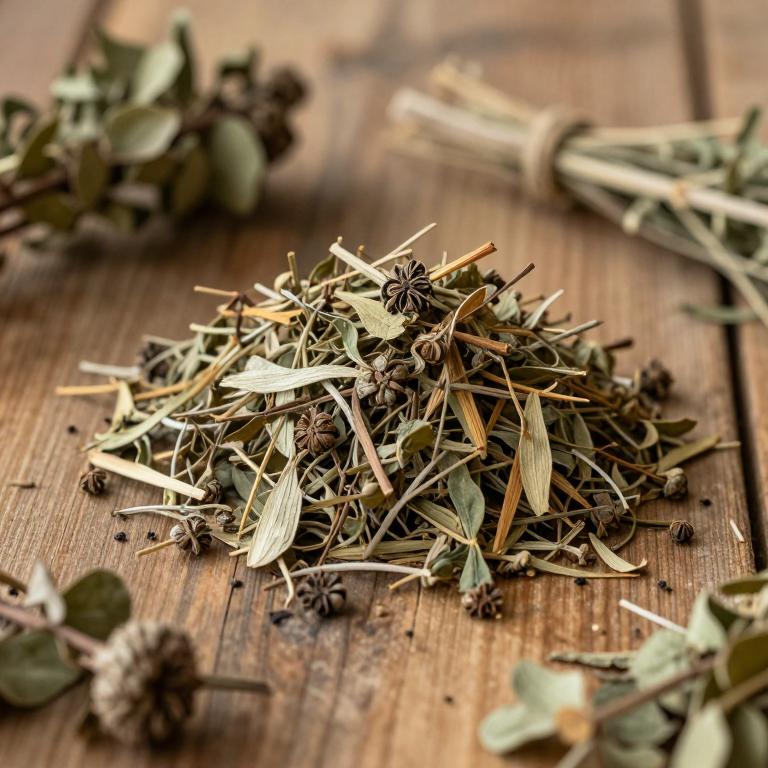
Names and Synonyms
Scientific Names
Accepted name
Elaeocarpus sphaericusSynonyms
- Elaeocarpus ganitrus
- Ganitrus sphaerica
- Aceratium ganitrum
Sources: Wikidata
Taxonomical Classification
This plant belongs to the kingdom Plantae and the phylum Streptophyta. Within the class Equisetopsida and subclass Magnoliidae, it is classified under the order Oxalidales. Finally, it is a member of the family Elaeocarpaceae and the genus Elaeocarpus.
| Rank | Classification |
|---|---|
| Kingdom | Plantae |
| Phylum | Streptophyta |
| Class | Equisetopsida |
| Subclass | Magnoliidae |
| Order | Oxalidales |
| Family | Elaeocarpaceae |
| Genus | Elaeocarpus |
Sources: The World Checklist of Vascular Plants (WCVP)
Distribution
This plant is primarily distributed across various regions within the Indian Subcontinent. It can be found growing in the lush landscapes of Assam and throughout Bangladesh. Additionally, its range extends into the high-altitude environments of the East Himalaya. The species is also well-documented within the mountainous terrain of Nepal. Finally, its geographical presence continues through the diverse ecological zones of the West Himalaya.
| Region | Area |
|---|---|
| Indian Subcontinent | Assam |
| Indian Subcontinent | Bangladesh |
| Indian Subcontinent | East Himalaya |
| Indian Subcontinent | Nepal |
| Indian Subcontinent | West Himalaya |
| Indo-China | Myanmar |
Sources: The World Checklist of Vascular Plants (WCVP)
Plant Parts
Elaeocarpus sphaericus has 1 reported plant parts identified across 1 scientific publications and several other databases that are studied for medicinal purposes. The most consistently reported plant part include fruit.
| Plant part | Supporting sources | Consensus |
|---|---|---|
| Fruit | 1 supporting sources | ★☆☆☆☆ |
Fruit
- Phytotherapy research : PTR
Chemicals
Elaeocarpus sphaericus has 3 reported phytochemicals identified across 1 scientific publications and several other databases. The most consistently reported chemicals include Flavonoids, Glycosides, Steroids.
| Chemical | Supporting sources | Consensus |
|---|---|---|
| Flavonoids | 1 supporting sources | ★☆☆☆☆ |
| Glycosides | 1 supporting sources | ★☆☆☆☆ |
| Steroids | 1 supporting sources | ★☆☆☆☆ |
Flavonoids
- Phytotherapy research : PTR
Glycosides
- Phytotherapy research : PTR
Steroids
- Phytotherapy research : PTR
Activities
Elaeocarpus sphaericus has 2 reported activities identified across 1 scientific publications and several other databases. The most consistently reported activities include Analgesic, Antiepileptic.
| Activity | Supporting sources | Consensus |
|---|---|---|
| Analgesic | 1 supporting sources | ★☆☆☆☆ |
| Antiepileptic | 1 supporting sources | ★☆☆☆☆ |
Analgesic
- Phytotherapy research : PTR
Antiepileptic
- Metabolic brain disease
Conditions
Elaeocarpus sphaericus has 5 reported investigations on conditions identified across 1 scientific publications and several other databases. The most consistently reported conditions include arthritis, asthma, epilepsy, hypertension, liver diseases.
| Condition | Supporting sources | Consensus |
|---|---|---|
| Arthritis | 1 supporting sources | ★☆☆☆☆ |
| Asthma | 1 supporting sources | ★☆☆☆☆ |
| Epilepsy | 1 supporting sources | ★☆☆☆☆ |
| Hypertension | 1 supporting sources | ★☆☆☆☆ |
| Liver diseases | 1 supporting sources | ★☆☆☆☆ |
Arthritis
- Phytotherapy research : PTR
Asthma
- Phytotherapy research : PTR
Epilepsy
- Phytotherapy research : PTR
Hypertension
- Phytotherapy research : PTR
Liver diseases
- Phytotherapy research : PTR