Elaeagnus mollis
Elaeagnus mollis · Accepted scientific name
Scientific literature: Very Sparse (0 studies) · ★☆☆☆☆
Elaeagnus mollis is a versatile plant known for its unique biological properties and resilient growth habits. Researchers have taken a particular interest in the leaves of this species due to their specific chemical compositions. Studies indicate that these leaves possess significant antioxidant activity, which helps combat oxidative stress. This functional characteristic makes the plant a subject of interest in the field of natural pharmacology. Understanding these medicinal qualities provides deeper insight into the potential therapeutic uses of the species.
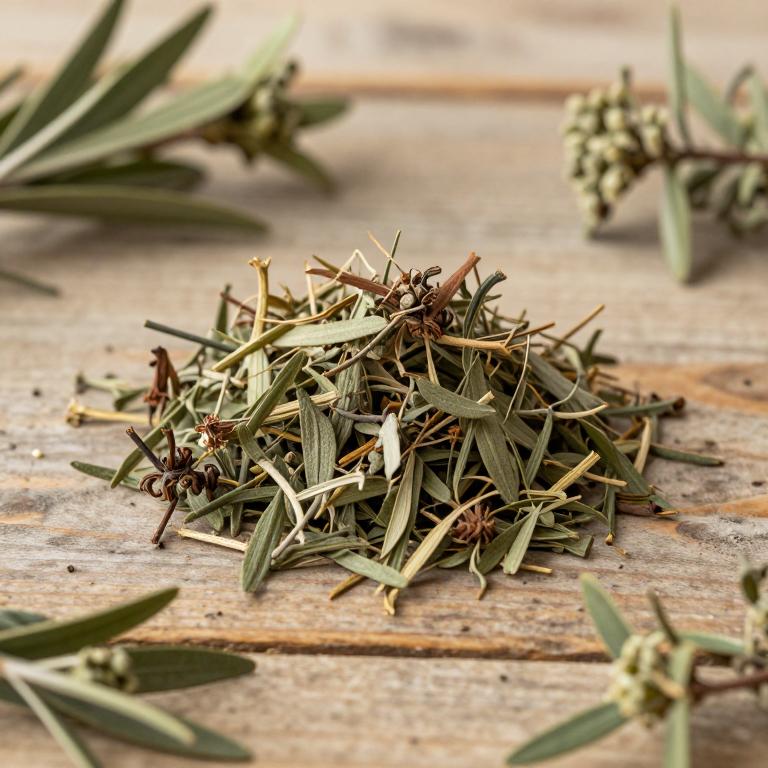
- Synonyms
- Not available
- Common names
- Not available
- Family
- Elaeagnaceae
- Distribution
- Not available
- Plant Parts
- Leaf
Classification
Common Names
Elaeagnus mollis is a versatile plant known by several distinct names across different linguistic contexts. In certain regions, it is commonly referred to as Chiguoyoushu. It is also frequently identified by the Chinese names 翅果油树 or 翅果油樹. Additionally, the species is recognized as 軟毛胡頽子 in specific botanical circles. Understanding these various common names is essential for accurate identification and study.
Sources: Catalogue of Life (COL)
Taxonomy
Elaeagnus mollis is a distinctive species belonging to the kingdom Plantae. Within this vast biological realm, it is classified under the class Equisetopsida. The plant is further organized into the order Rosales, reflecting its specific evolutionary lineage. It falls under the family Elaeagnaceae, which provides key characteristics for its identification. Finally, it is categorized within the genus Elaeagnus, marking its unique place in the natural world.
| Rank | Classification |
|---|---|
| Kingdom | Plantae |
| Phylum | Streptophyta |
| Class | Equisetopsida |
| Subclass | Magnoliidae |
| Order | Rosales |
| Family | Elaeagnaceae |
| Genus | Elaeagnus |
Sources: The World Checklist of Vascular Plants (WCVP)
Distribution
Geographic Regions
Elaeagnus mollis is a distinctive species primarily found within the Asia-temperate regions. Its natural habitat spans a significant portion of China, showcasing its adaptability to various local climates. Within this vast range, the plant is particularly well-established across the China North-Central territories. Understanding these specific distribution patterns provides valuable insight into the ecological niche the species occupies. This geographic footprint highlights the plant's importance within its native Asian landscapes.
Sources: The World Checklist of Vascular Plants (WCVP)
Identification
Biological Activities
Compounds
Conditions
Elaeagnus mollis leaf extracts demonstrate significant biological potential through their ability to treat HepG2 cell proliferation. The plant also exhibits strong antioxidant activity, particularly through water extracts that excel in various free radical scavenging assays. Furthermore, the extracts show notable cholinesterase inhibitory potential, which is specifically linked to the presence of alkaloids and carotene. Research indicates that methanol extracts are especially effective at inhibiting both cholinesterase and HepG2 cancer cells. These diverse medicinal properties suggest that the plant serves as a valuable source of functional bioactive components for health care.
Preparations
Parts used
Elaeagnus mollis leaf extracts serve as a rich source of diverse bioactive compounds, including phenolics, flavonoids, and alkaloids. Recent research indicates that these leaves possess significant antioxidant activities and show promising potential in inhibiting HepG2 cancer cell proliferation. Furthermore, the extracts demonstrate notable cholinesterase inhibitory potential, which may offer therapeutic benefits for neurological health. Studies have revealed that the chemical profiles of the leaves are highly influenced by the solvents used for extraction, with methanol proving particularly effective. Ultimately, the complex metabolic components found within the leaves suggest that they could be highly valuable for applications in both the food and pharmaceutical industries.