Ehretia tinifolia
Ehretia tinifolia · Accepted scientific name
Scientific literature: Very Sparse (1 studies) · ★☆☆☆☆
Ehretia tinifolia is a medicinal plant recognized for its diverse pharmacological potential in traditional medicine. Recent studies have highlighted its significant antioxidant activities, which help combat oxidative stress within the body. Research suggests that the plant may play a beneficial role in managing metabolic conditions such as obesity and hypertension. These therapeutic effects are often studied through various preparations, including traditional decoctions and modern ethanolic extracts. Understanding these properties provides valuable insights into its potential as a natural agent for systemic health management.
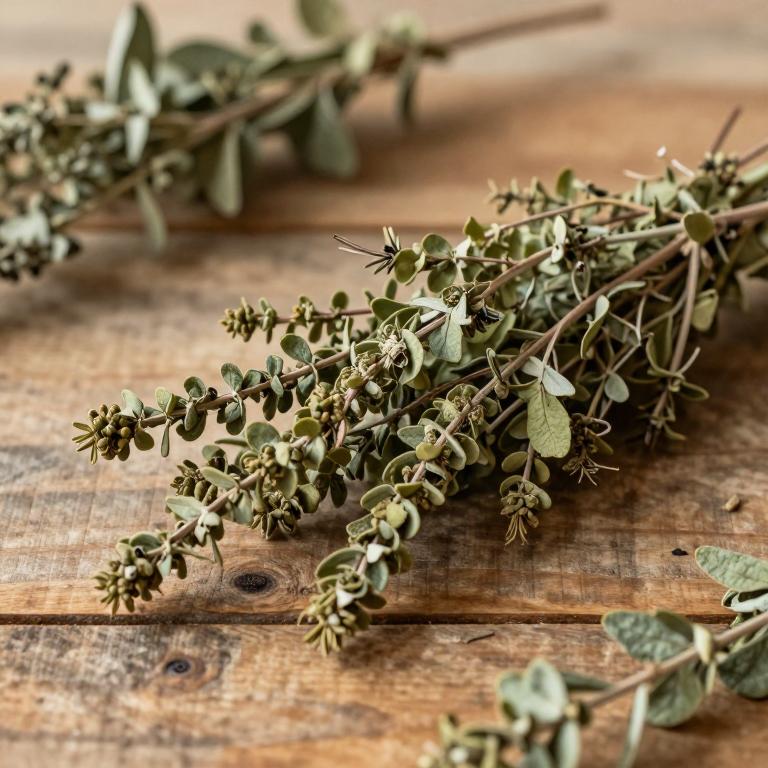
- Synonyms
- Ehretia Campestris · Ehretia Tenuifolia · 2 more
- Common names
- Not available
- Family
- Boraginaceae
- Distribution
- Australasia
- Plant Parts
- Not available
Classification
Common Names
Ehretia tinifolia is a fascinating plant species that is widely recognized by its common name, Roble. This distinctive tree plays a significant role in its native ecosystems, offering both shade and structural complexity to the landscape. Local communities often value the plant for its unique characteristics and its presence within the regional flora. Understanding its identity as Roble helps botanists and enthusiasts alike categorize its specific growth habits and environmental needs. By studying this species, we gain a deeper appreciation for the diverse botanical relationships found in nature.
Sources: Catalogue of Life (COL)
Synonyms
Ehretia tinifolia is a botanical species that is frequently identified by several different scientific names in various literature. It is widely recognized as being synonymous with Ehretia campestris, reflecting complexities in its taxonomic classification. Researchers may also encounter this plant documented under the name Ehretia longifolia depending on the specific study. Furthermore, the species is linked to the synonym Ehretia sulcata within certain botanical records. Finally, it is also known by the name Ehretia tenuifolia, illustrating the diverse naming conventions used to describe this single plant.
Sources: The World Checklist of Vascular Plants (WCVP)
Taxonomy
Ehretia tinifolia is a distinctive botanical species that belongs to the kingdom Plantae. Within this vast kingdom, it is classified under the class Equisetopsida. It further falls into the order Boraginales, showcasing its specific evolutionary lineage. This plant is a member of the family Boraginaceae, which helps define its biological characteristics. Finally, its precise taxonomic placement is within the genus Ehretia.
| Rank | Classification |
|---|---|
| Kingdom | Plantae |
| Phylum | Streptophyta |
| Class | Equisetopsida |
| Subclass | Magnoliidae |
| Order | Boraginales |
| Family | Boraginaceae |
| Genus | Ehretia |
Sources: The World Checklist of Vascular Plants (WCVP)
Distribution
Geographic Regions
Ehretia tinifolia displays a fascinating geographical range that spans across diverse global regions. In Asia, this species is found within tropical environments, specifically throughout Indo-China and Vietnam. Its presence extends significantly into North America, where it is well-established across various parts of Mexico. The plant inhabits a wide variety of Mexican landscapes, including the Central, Gulf, and Northeast regions. Furthermore, its distribution reaches into the Northwest, demonstrating remarkable adaptability to different climates.
Sources: The World Checklist of Vascular Plants (WCVP)
Identification
Morphology
Ehretia tinifolia grows in a distinct tree form, establishing a commanding presence in its natural habitat. This species is entirely self-supporting, relying on its own sturdy structure to reach upward toward the light.
Sources: Global Inventory of Floras and Traits (GIFT)
Biological Activities
Ehretia tinifolia has demonstrated significant antioxidant properties according to recent research on the Yucatecan flora. Specifically, both the ethanolic extracts and the traditional aqueous preparations of this medicinal plant showed notable activity in the DPPH reduction assay. This ability to scavenge free radicals highlights the plant's potential therapeutic value in managing oxidative stress. While the study noted that the metabolites responsible for antioxidant activity differ from those involved in inhibiting advanced glycation end-products, these findings remain significant. Ultimately, the radical-scavenging capacity of Ehretia tinifolia underscores its importance in traditional medicine for treating conditions like diabetes and hypertension.
Compounds
Conditions
Ehretia tinifolia is recognized in Yucatecan traditional medicine for its ability to treat diabetes, hypertension, and obesity. Research into the plant's properties shows that its ethanolic extracts and traditional preparations possess significant antioxidant activity through DPPH radical scavenging. These antioxidant qualities are important because they may help manage the complications associated with the conditions the plant treats. While the study noted that these extracts did not show significant activity against advanced glycation end-products, their radical-scavenging potential remains a key feature. Consequently, Ehretia tinifolia serves as a notable medicinal plant for addressing these three specific health concerns.
Preparations
Ehretia tinifolia is prepared as ethanolic extracts to test for medicinal properties within the Yucatecan flora. This species is also prepared as traditional aqueous preparations used in local medicine to treat conditions like diabetes and hypertension. Research indicates that both the ethanolic extracts and the traditional preparations of Ehretia tinifolia exhibit significant activity in DPPH reduction assays. These specific forms of the plant demonstrate notable antioxidant capabilities through free radical scavenging. Consequently, the study highlights the functional efficacy of both the ethanolic and traditional preparations of Ehretia tinifolia.