Ehretia matthewii
Ehretia matthewii · Accepted scientific name
Scientific literature: Very Sparse (0 studies) · ★☆☆☆☆
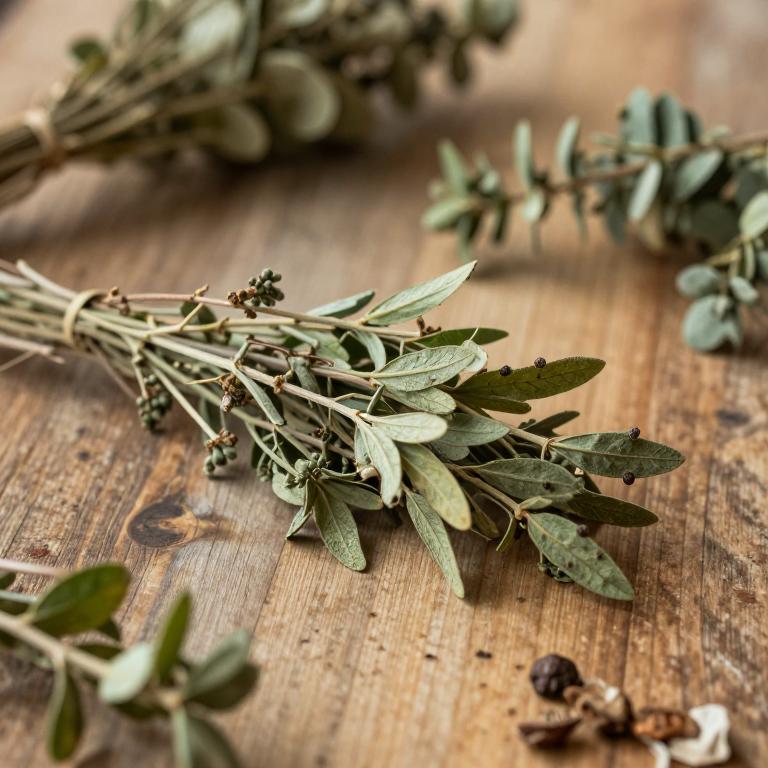
Ehretia matthewii is a distinctive botanical species recognized for its unique structural characteristics. One of its most defining features is the specific morphology of its leaf, which serves as a key identification marker. These leaves play a vital role in the plant's ability to capture sunlight and facilitate efficient photosynthesis. Observing the texture and arrangement of the foliage provides essential insight into the plant's overall health and growth patterns. Understanding these leafy details is crucial for anyone interested in the study of this particular species.
- Synonyms
- Not available
- Common names
- Not available
- Family
- Boraginaceae
- Distribution
- Southern America
- Plant Parts
- Leaf
Classification
Taxonomy
Ehretia matthewii is a fascinating botanical specimen that belongs to the kingdom Plantae. Within this vast kingdom, it is classified under the class Equisetopsida. The plant is further organized into the order Boraginales, showcasing its specific evolutionary lineage. It resides within the genus Ehretia, which helps botanists identify its unique characteristics. Finally, its biological identity is completed by its membership in the family Boraginaceae.
| Rank | Classification |
|---|---|
| Kingdom | Plantae |
| Phylum | Streptophyta |
| Class | Equisetopsida |
| Subclass | Magnoliidae |
| Order | Boraginales |
| Family | Boraginaceae |
| Genus | Ehretia |
Sources: The World Checklist of Vascular Plants (WCVP)
Distribution
Geographic Regions
Ehretia matthewii is a plant species characterized by its specific geographical presence within the tropical regions of Asia. Its natural distribution spans across the Indian Subcontinent, making it a notable part of the local flora. In particular, the species can be found flourishing throughout the diverse landscapes of India. Furthermore, its habitat extends across the waters to include the island nation of Sri Lanka. This widespread occurrence across these specific regions highlights the plant's ecological importance within the tropical Asian environment.
Sources: The World Checklist of Vascular Plants (WCVP)
Identification
Biological Activities
Compounds
Ehretia matthewii has been identified as a source of several significant chemical compounds. Phytochemical analysis reveals that this plant species contains the highly methoxylated flavanol known as araneosol. Furthermore, the plant is also characterized by the presence of the known flavone aglycones apigenin and luteolin. These specific metabolites contribute to the complex chemical profile found within the species. Understanding these relationships provides valuable insight into the natural constituents of the plant.
Conditions
Preparations
Parts used
Ehretia matthewii is a notable species within its genus that possesses distinct botanical characteristics. Specifically, the plant features specialized leaf structures that serve as a primary focus for morphological study. Research into similar species, such as Ehretia ovalifolia, demonstrates how the leaves of these plants often act as rich sources for isolating unique chemical compounds. For instance, studies have successfully extracted flavone derivatives and various metabolites directly from leaf tissues. Understanding these plant-part relationships provides essential insight into the chemical diversity found within the Ehretia genus.