Eclipta
Eclipta · Accepted scientific name
Scientific literature: Very Sparse (7 studies) · ★☆☆☆☆
Eclipta is a versatile medicinal plant widely recognized for its diverse therapeutic potential in traditional medicine. The whole plants are frequently utilized in various preparations to harness their potent biological properties. A key chemical constituent found within the plant is wedelolactone, which plays a significant role in its healing capabilities. Research has highlighted its impressive activities, including antibacterial, anticancer, and antidiabetic effects. Furthermore, the plant serves as a powerful anti-inflammatory agent, making it a subject of great interest in pharmacological studies.
- Synonyms
- Abasoloa · Polygyne · 4 more
- Common names
- Not available
- Family
- Asteraceae
- Distribution
- Not available
- Plant Parts
- Not available
Classification
Common Names
Eclipta is a versatile plant that is recognized by several different names across various cultures and languages. It is most frequently identified by the common names eclipta and false daisy. In certain regions, you may also encounter it referred to as hvitknappslekta or kvitknappslekta. Additionally, the plant is known by the name múčnica in specific linguistic contexts. These diverse monikers reflect the widespread presence and recognition of this botanical species.
Sources: Catalogue of Life (COL)
Synonyms
Eclipta is a genus that has been documented under several different botanical names throughout history. Scientific literature identifies various synonyms for this plant, including the names Abasoloa and Clipteria. Additionally, researchers have frequently utilized the terms Eupatoriophalacron and Micrelium to describe its classification. The name Paleista also serves as another recognized synonym within the taxonomic records. Understanding these multiple designations is essential for navigating the complex botanical relationships associated with this species.
Sources: The World Checklist of Vascular Plants (WCVP)
Taxonomy
Eclipta is a remarkable organism belonging to the vast kingdom Plantae. Within this biological realm, it is classified under the class Equisetopsida. Its taxonomic journey continues through the order Asterales, which helps define its evolutionary lineage. Furthermore, the plant is a distinct member of the genus Eclipta. Ultimately, it finds its botanical home within the diverse and well-known family Asteraceae.
| Rank | Classification |
|---|---|
| Kingdom | Plantae |
| Phylum | Streptophyta |
| Class | Equisetopsida |
| Subclass | Magnoliidae |
| Order | Asterales |
| Family | Asteraceae |
| Genus | Eclipta |
Sources: The World Checklist of Vascular Plants (WCVP)
Distribution
Geographic Regions
Eclipta is widely distributed across several diverse regions, beginning with a broad presence throughout Africa. Its reach extends into the Macaronesian islands, including the Canary Islands and the lush landscapes of Madeira. The plant also finds suitable habitats within the Cape Verde archipelago. Furthermore, it is commonly located in Northeast Tropical Africa, specifically within territories such as Chad and Djibouti.
Sources: The World Checklist of Vascular Plants (WCVP)
Identification
Biological Activities
Eclipta is a medicinal plant belonging to the Asteraceae family that contains the key bioactive compound wedelolactone. This specific coumestan metabolite is recognized for its diverse and potent pharmacological activities. Research has demonstrated that Eclipta exhibits significant antibacterial and anticancer properties. Furthermore, the plant provides therapeutic benefits through its antiinflammatory, antidiabetic, and antiobesity effects. These multifaceted biological roles highlight the immense potential of Eclipta in modern drug development programs.
Compounds
Eclipta plants are recognized as a significant source of the bioactive coumestan known as wedelolactone. This specific secondary metabolite is a characteristic compound found within the Eclipta and Wedelia genera of the Asteraceae family. Extensive pharmacological research has highlighted wedelolactone's diverse therapeutic potential, ranging from anticancer and anti-inflammatory properties to protective benefits for vital organs like the liver and kidneys. Despite these promising medicinal values, challenges remain regarding its limited solubility and bioavailability within the living body. Consequently, current scientific efforts are focused on exploring synthetic derivatives and nano-technological approaches to enhance its clinical application.
Conditions
Preparations
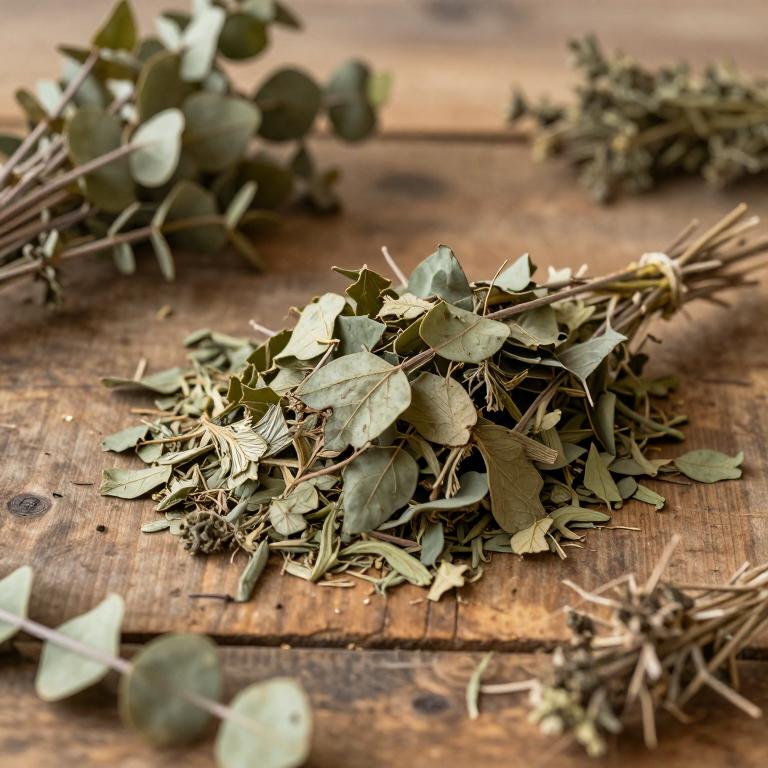
Eclipta prostrata L. is prepared as the whole plant to produce the Chinese crude drug known as "han-lian-cao" in Taiwan. This specific medicinal resource is derived from the entire plant or the aerial parts of the species. Pharmacognostical studies have focused on identifying these components to ensure the quality of the crude drug. The research provides a key to the distinguishing characteristics of the whole plants of Eclipta to aid in classification. Consequently, the use of the whole plant remains a fundamental aspect of its traditional preparation.