Echinopsis oxygona
Echinopsis oxygona · Accepted scientific name
Scientific literature: Very Sparse (1 studies) · ★☆☆☆☆
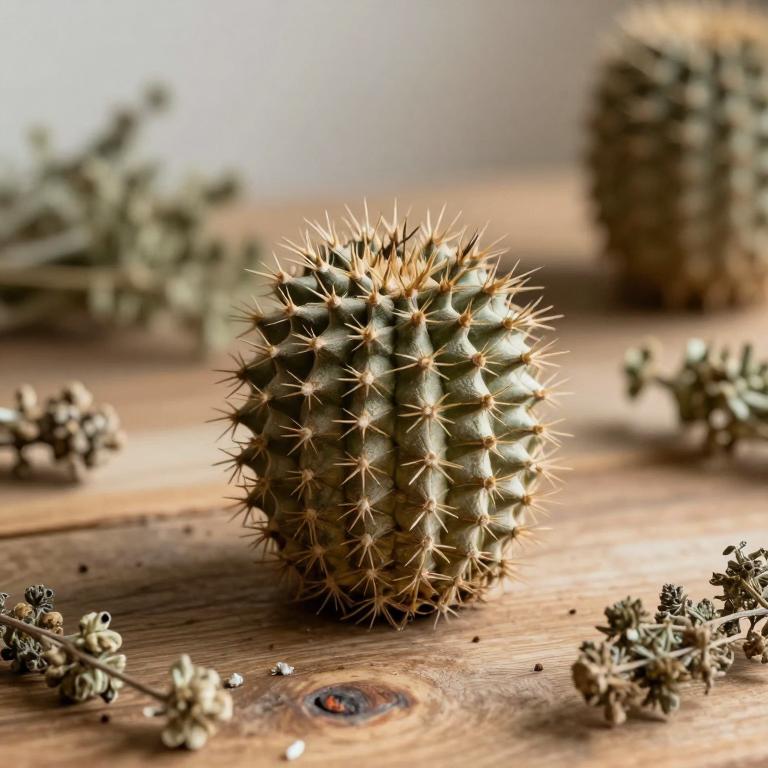
Echinopsis oxygona is a remarkable succulent species renowned for its striking nocturnal blooms and unique medicinal properties. Within the realm of ethnobotany, this plant is specifically noted for its potential antineoplastic activities. Researchers often investigate its biological compounds to understand how they might combat malignant cell growth. One traditional method used to harness these bioactive constituents is through the preparation of a decoction. This focused study highlights the intersection of botanical beauty and complex pharmacological potential.
- Synonyms
- Rebutia Multiplex · Cereus Jasmineus · 72 more
- Common names
- Not available
- Family
- Cactaceae
- Distribution
- Not available
- Plant Parts
- Not available
Classification
Common Names
Echinopsis oxygona is a fascinating succulent known by several distinct names across different regions and languages. It is frequently referred to as the Cacto erizo sudamericano or the Cacto-echinopsis in various botanical circles. In certain areas, enthusiasts also call it the Cacto-globoso to describe its unique shape. It is also affectionately known as the Cacto-lírio-da-páscoa due to its striking floral displays. Most commonly in English-speaking regions, this beautiful plant is celebrated as the Easter Lily Cactus.
Sources: Catalogue of Life (COL)
Synonyms
Echinopsis oxygona is a versatile species known to be associated with several different botanical names. Within taxonomic literature, it is frequently identified by synonyms such as Cereus decaisneanus and Cereus eyriesii. The plant's complex history also links it to the names Cereus jasmineus and Cereus multiplex. Furthermore, certain unique forms are classified under the synonym Cereus multiplex var. monstrosus. Understanding these various designations is essential for anyone navigating the botanical relationships of this flowering cactus.
Sources: The World Checklist of Vascular Plants (WCVP)
Taxonomy
Echinopsis oxygona is a remarkable specimen that belongs to the vast kingdom Plantae. Within this biological realm, it is classified under the class Equisetopsida. It specifically falls into the order Caryophyllales, which connects it to a diverse group of flowering plants. As a member of the genus Echinopsis, it showcases unique characteristics typical of its lineage. Ultimately, this plant is a distinguished representative of the Cactaceae family.
| Rank | Classification |
|---|---|
| Kingdom | Plantae |
| Phylum | Streptophyta |
| Class | Equisetopsida |
| Subclass | Magnoliidae |
| Order | Caryophyllales |
| Family | Cactaceae |
| Genus | Echinopsis |
Sources: The World Checklist of Vascular Plants (WCVP)
Distribution
Geographic Regions
Echinopsis oxygona boasts a remarkably wide geographic range that spans several different continents. In Africa, this species can be found throughout Northern Africa, specifically in Tunisia, as well as in the KwaZulu-Natal region of Southern Africa. Its presence extends into Europe, where it is established within the Southwestern regions of Spain. The plant also thrives in South America, with significant populations located in southern Brazil. Finally, its distribution reaches into the northeastern parts of Argentina in Southern South America.
Sources: The World Checklist of Vascular Plants (WCVP)
Identification
Morphology
Echinopsis oxygona is characterized by a distinct herbaceous growth form. This resilient plant functions as a self-supporting species, maintaining its own structure without the need for external assistance.
Sources: Global Inventory of Floras and Traits (GIFT)
Biological Activities
Echinopsis oxygona exhibits significant antineoplastic activity that holds promise for cancer research. Studies on related species like Echinopsis multiplex demonstrate that decoctions can effectively inhibit the growth of solid tumors, including Lewis pulmonary carcinoma. In vitro tests further reveal that treatments can suppress tumor cell proliferation and inhibit essential DNA synthesis. Importantly, these therapeutic effects appear to enhance rather than impair the immune system by increasing spleen cell function. This combination of tumor suppression and immune support highlights the plant's potential role in oncological studies.
Compounds
Conditions
Echinopsis oxygona demonstrates significant antineoplastic potential by treating various types of cancer cells and tumors. Specifically, it has been shown to treat EAC tumour cells by suppressing their proliferation. The plant also effectively treats Lewis pulmonary carcinoma by inhibiting its growth and prolonging survival. Additionally, it treats YAC-1 tumour cell DNA synthesis by inhibiting its production. Finally, Echinopsis oxygona treats solid tumour S180, contributing to its overall therapeutic profile.
Preparations
Echinopsis oxygona is prepared as a decoction to explore its biological activities. While the provided text focuses on the antineoplastic effects of Echinopsis multiplex, the preparation method of using a decoction is central to the study. This specific form of administration involves using fresh material to create a liquid extract for oral consumption. Such decoctions are tested at varying dosages to observe their impact on tumor growth and survival rates. Consequently, the preparation of the plant as a decoction is a key element in evaluating its potential medicinal properties.