Echinopsis macrogona
Echinopsis macrogona · Accepted scientific name
Scientific literature: Very Sparse (6 studies) · ★☆☆☆☆
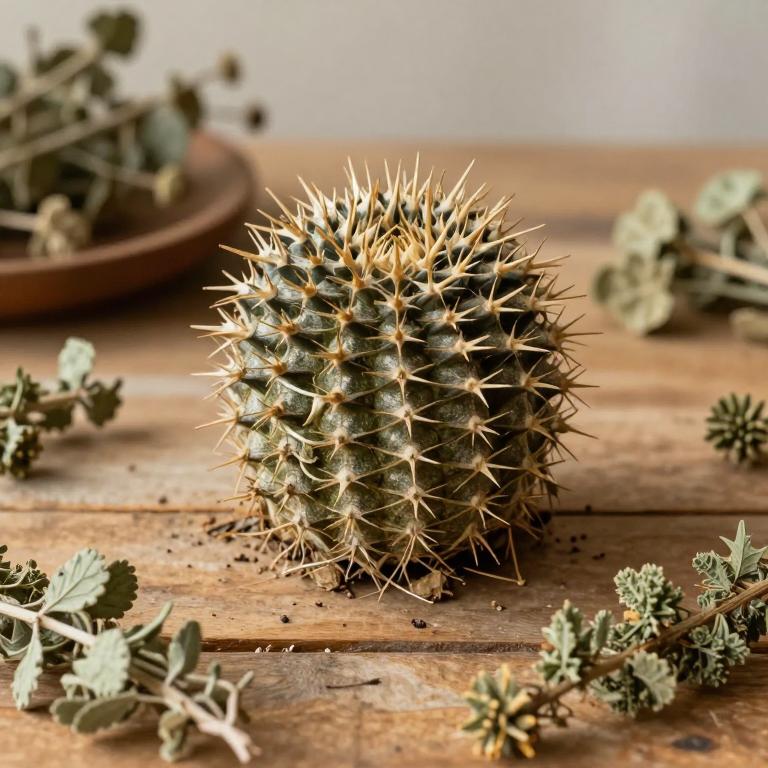
, scientifically known as Echinopsis macrogona, is a remarkable succulent species belonging to the Cactaceae family. Often celebrated for its striking architectural form and vibrant floral displays, this plant is valued in traditional medicinal practices for its unique bioactive properties and its potential role in supporting holistic wellness and healing.
- Family
- Cactaceae
- Native range
- Europe
- Parts used
- Not available
- Common names
- Not available
- Scientific synonyms
- Trichocereus Macrogonus · Trichocereus Macrogonus Var. Peruvianus · 14 more
Names and Synonyms
Scientific Names
Accepted name
Echinopsis macrogonaSynonyms
- Trichocereus macrogonus
- Trichocereus macrogonus var. peruvianus
- Cereus rosei
- Trichocereus pachanoi f. peruvianus
- Echinopsis peruviana
- Cereus macrogonus
- Trichocereus trichosus
- Trichocereus tacnaensis
- Trichocereus puquiensis
- Echinopsis puquiensis
- Trichocereus peruvianus
- Echinopsis peruviana subsp. puquiensis
- Echinopsis trichosa
- Echinopsis macrogona var. macrogona
- Trichocereus macrogonus subsp. peruvianus
- Trichocereus peruvianus subsp. puquiensis
Regional and Traditional Names
Spanish:
- Trichocereus macrogonus
- Echinopsis macrogonus
Sources: Wikidata
Taxonomical Classification
This plant belongs to the kingdom Plantae and is classified under the phylum Streptophyta and class Equisetopsida. Within the subclass Magnoliidae, it falls under the order Caryophyllales and the family Cactaceae. Finally, its specific taxonomic placement is within the genus Echinopsis.
| Rank | Classification |
|---|---|
| Kingdom | Plantae |
| Phylum | Streptophyta |
| Class | Equisetopsida |
| Subclass | Magnoliidae |
| Order | Caryophyllales |
| Family | Cactaceae |
| Genus | Echinopsis |
Sources: The World Checklist of Vascular Plants (WCVP)
Distribution
This plant exhibits a wide and diverse geographical distribution spanning several different continents. In Southwestern Europe, it can be found specifically across Spain and the Baleares islands. Its presence extends into the Macaronesian region, where it grows among the Canary Islands. Moving across the Atlantic, the species is also located in Western South America. Within this South American range, its habitat includes the nations of both Bolivia and Colombia.
| Region | Area |
|---|---|
| Southwestern Europe | Baleares |
| Southwestern Europe | Spain |
| Macaronesia | Canary Is. |
| Western South America | Bolivia |
| Western South America | Colombia |
| Western South America | Peru |
Sources: The World Checklist of Vascular Plants (WCVP)
Chemicals
Echinopsis macrogona has 6 reported phytochemicals identified across 0 scientific publications and several other databases. The most consistently reported chemicals include 3,4-Dimethoxyphenethylamine, 3-Methoxytyramine, 3-Methoxytyramine hydrochloride, Mescaline hydrochloride, Tyramine hydrochloride.
| Chemical | Supporting sources | Consensus |
|---|---|---|
| 3,4-Dimethoxyphenethylamine | 1 supporting sources | ★☆☆☆☆ |
| 3-Methoxytyramine | 1 supporting sources | ★☆☆☆☆ |
| 3-Methoxytyramine hydrochloride | 1 supporting sources | ★☆☆☆☆ |
| Mescaline hydrochloride | 1 supporting sources | ★☆☆☆☆ |
| Tyramine hydrochloride | 1 supporting sources | ★☆☆☆☆ |
| tyramine | 1 supporting sources | ★☆☆☆☆ |
3,4-Dimethoxyphenethylamine
- Lloydia
3-Methoxytyramine
- Lloydia
3-Methoxytyramine hydrochloride
- Lloydia
Mescaline hydrochloride
- Lloydia
Tyramine hydrochloride
- Lloydia
tyramine
- Lloydia