Echinops giganteus
Echinops giganteus · Accepted scientific name
Scientific literature: Very Sparse (13 studies) · ★☆☆☆☆
Echinops giganteus, is a striking perennial herb celebrated for its distinctive, spherical blue flower heads. Native to various regions, this robust plant is prized in traditional medicine for its potent bioactive compounds. It is frequently utilized to support digestive health and possess significant anti-inflammatory and antioxidant properties.
- Family
- Asteraceae
- Native range
- Africa
- Parts used
- Not available
- Common names
- Not available
- Scientific synonyms
- Echinops Kulsii · Echinops Negrii · 7 more
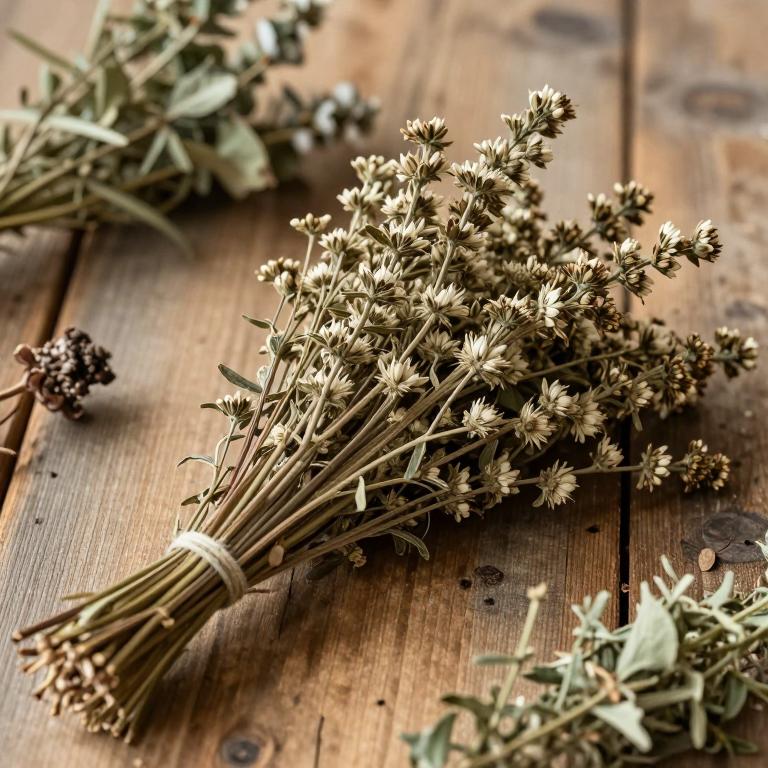
Names and Synonyms
Scientific Names
Accepted name
Echinops giganteusSynonyms
- Echinops kulsii
- Echinops negrii
- Echinops nistrii
- Echinops ochroleucus
- Echinops velutinus
- Sphaerocephalus giganteus
- Echinops bequaertii
- Echinops brevisetus
- Echinops francinianus
Sources: Wikidata
Taxonomical Classification
This plant, Echinops giganteus, belongs to the kingdom Plantae and the phylum Streptophyta. Within the class Equisetopsida and subclass Magnoliidae, it is classified under the order Asterales and the family Asteraceae. It is specifically identified under the genus Echinops.
| Rank | Classification |
|---|---|
| Kingdom | Plantae |
| Phylum | Streptophyta |
| Class | Equisetopsida |
| Subclass | Magnoliidae |
| Order | Asterales |
| Family | Asteraceae |
| Genus | Echinops |
Sources: The World Checklist of Vascular Plants (WCVP)
Distribution
This plant exhibits a diverse geographical distribution across several key regions of the African continent. In West Tropical Africa, its presence is specifically noted within the borders of Nigeria. Moving into West-Central Tropical Africa, the species can be found in Cameroon, Rwanda, and the Democratic Republic of the Congo. Additionally, its range extends into Northeast Tropical Africa, where it is located in Ethiopia. These various locations highlight the wide ecological spread of this medicinal species throughout the tropics.
| Region | Area |
|---|---|
| West Tropical Africa | Nigeria |
| West-Central Tropical Africa | Cameroon |
| West-Central Tropical Africa | Rwanda |
| West-Central Tropical Africa | DR Congo |
| Northeast Tropical Africa | Ethiopia |
| Northeast Tropical Africa | Sudan-South Sudan |
| East Tropical Africa | Tanzania |
| East Tropical Africa | Uganda |
Sources: The World Checklist of Vascular Plants (WCVP)
Botanical Identification
Morphology
The morphology of Echinops giganteus is characterized by its growth form as a non-woody herb. This herbaceous plant typically reaches a height ranging from a minimum of approximately 0.61 meters to a maximum of about 1.52 meters. As a non-woody species, it lacks permanent woody tissue, maintaining a soft, flexible structure throughout its developmental stages.
- Growth form :
- herb
- Plant height max:
- 1.524018532 m
- Plant height min:
- 0.609607413 m
- Woodiness :
- non-woody
Sources: Global Inventory of Floras and Traits (GIFT)
Chemicals
Echinops giganteus has 4 reported phytochemicals identified across 0 scientific publications and several other databases. The most consistently reported chemicals include Phenols, Presilphiperfolan-8-ol, Silphiperfol-6-ene, Tannins.
| Chemical | Supporting sources | Consensus |
|---|---|---|
| Phenols | 1 supporting sources | ★☆☆☆☆ |
| Presilphiperfolan-8-ol | 1 supporting sources | ★☆☆☆☆ |
| Silphiperfol-6-ene | 1 supporting sources | ★☆☆☆☆ |
| Tannins | 1 supporting sources | ★☆☆☆☆ |
Phenols
- BMC complementary and alternative medicine
Presilphiperfolan-8-ol
- Parasitology research
Silphiperfol-6-ene
- Parasitology research
Tannins
- BMC complementary and alternative medicine
Activities
Echinops giganteus has 1 reported activities identified across 0 scientific publications and several other databases. The most consistently reported activities include Cytotoxic.
| Activity | Supporting sources | Consensus |
|---|---|---|
| Cytotoxic | 1 supporting sources | ★☆☆☆☆ |
Cytotoxic
- Frontiers in pharmacology
Conditions
Echinops giganteus has 8 reported investigations on conditions identified across 0 scientific publications and several other databases. The most consistently reported conditions include Cancer, bacterial infections, cancer, cancers, infectious diseases.
| Condition | Supporting sources | Consensus |
|---|---|---|
| Cancer | 1 supporting sources | ★☆☆☆☆ |
| Bacterial infections | 1 supporting sources | ★☆☆☆☆ |
| Cancer | 1 supporting sources | ★☆☆☆☆ |
| Cancers | 1 supporting sources | ★☆☆☆☆ |
| Infectious diseases | 1 supporting sources | ★☆☆☆☆ |
| Leukemia | 1 supporting sources | ★☆☆☆☆ |
| Oxidative stress | 1 supporting sources | ★☆☆☆☆ |
| Pancreatic cancer | 1 supporting sources | ★☆☆☆☆ |
Cancer
- Frontiers in pharmacology
Bacterial infections
- BMC complementary and alternative medicine
Cancer
- Parasitology research
Cancers
- Journal of ethnopharmacology
Infectious diseases
- International journal of environmental research and public health
Leukemia
- Journal of ethnopharmacology
Oxidative stress
- Metabolites
Pancreatic cancer
- Journal of ethnopharmacology
Preparations
Echinops giganteus has 6 reported preparations identified across 0 scientific publications and several other databases. The most consistently reported preparations include extracts, Cameroonian medicinal spice extracts, Essential oils, Methanol extracts, crude extract.
| Preparation | Supporting sources | Consensus |
|---|---|---|
| Extracts | 2 supporting sources | ★☆☆☆☆ |
| Cameroonian medicinal spice extracts | 1 supporting sources | ★☆☆☆☆ |
| Essential oils | 1 supporting sources | ★☆☆☆☆ |
| Methanol extracts | 1 supporting sources | ★☆☆☆☆ |
| Crude extract | 1 supporting sources | ★☆☆☆☆ |
| Methanol extracts | 1 supporting sources | ★☆☆☆☆ |
Extracts
- Metabolites
- Journal of ethnopharmacology
Cameroonian medicinal spice extracts
- Nutrients
Essential oils
- International journal of environmental research and public health
Methanol extracts
- Journal of ethnopharmacology
Crude extract
- Journal of ethnopharmacology
Methanol extracts
- BMC complementary and alternative medicine