Dumasia truncata
Dumasia truncata · Accepted scientific name
Scientific literature: Very Sparse (0 studies) · ★☆☆☆☆
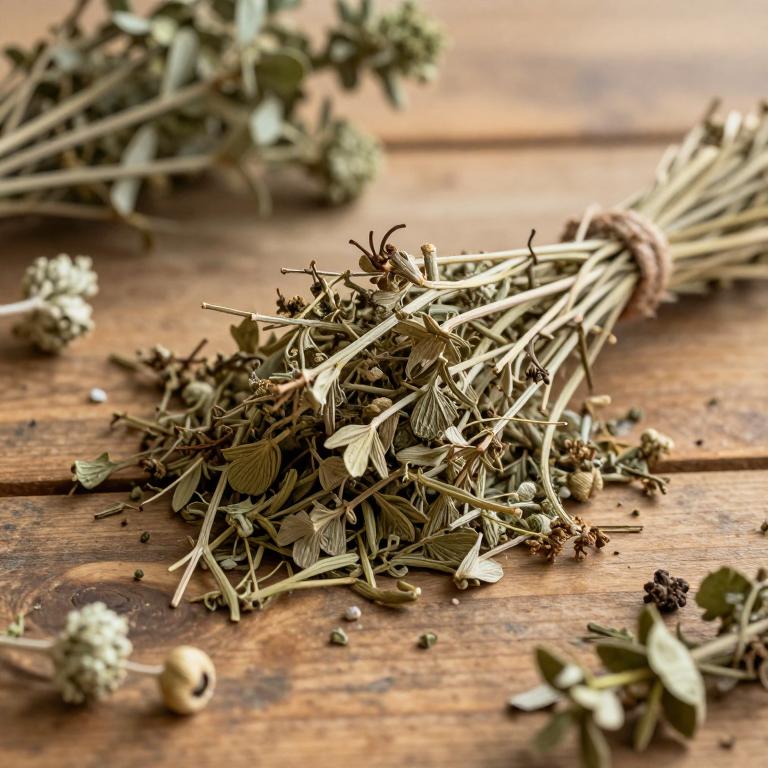
Dumasia truncata is a distinctive medicinal plant known for its specific botanical characteristics and therapeutic potential. In pharmacological studies, researchers focus primarily on the extraction of the aerial parts to isolate its bioactive compounds. These harvested components contain various secondary metabolites that contribute to the plant's overall biological activity. Understanding the chemical profile of these extracts is essential for exploring their potential applications in traditional and modern medicine. Consequently, the study of this species offers significant insights into the natural properties held within its leafy structures.
- Synonyms
- Dumasia Miaoliensis · Dumasia Nitida
- Common names
- Not available
- Family
- Fabaceae
- Distribution
- Not available
- Plant Parts
- Not available
Classification
Common Names
Dumasia truncata is a versatile plant known by a variety of different common names across various regions. It is frequently referred to as the bijindo bean, a name that highlights its unique botanical identity. In different linguistic contexts, the species is also identified as no-sasage or simply nosasage. The plant carries the Japanese name キツネササゲ, adding to the diversity of its nomenclature. Finally, it is sometimes recognized as yama-kuromame, reflecting its place within diverse cultural traditions.
Sources: Catalogue of Life (COL)
Synonyms
Dumasia truncata is a botanical species that is frequently identified through various taxonomic designations. Within scientific literature, this plant is recognized by several synonyms, including Dumasia miaoliensis. Researchers also frequently refer to the specimen as Dumasia nitida depending on the specific classification system being utilized. These overlapping names highlight the complex evolutionary history and naming conventions associated with the genus. Understanding these relationships is essential for ensuring accuracy in botanical studies and field identification.
Sources: The World Checklist of Vascular Plants (WCVP)
Taxonomy
Dumasia truncata is a distinct biological entity belonging to the kingdom Plantae. Within this vast kingdom, the species is categorized under the class Equisetopsida. It further falls into the order Fabales, which connects it to a diverse group of flowering plants. This specific plant is a member of the genus Dumasia, highlighting its unique evolutionary lineage. Finally, it is classified under the family Fabaceae, placing it among the well-known legumes.
| Rank | Classification |
|---|---|
| Kingdom | Plantae |
| Phylum | Streptophyta |
| Class | Equisetopsida |
| Subclass | Magnoliidae |
| Order | Fabales |
| Family | Fabaceae |
| Genus | Dumasia |
Sources: The World Checklist of Vascular Plants (WCVP)
Distribution
Geographic Regions
Dumasia truncata is a plant species primarily distributed throughout the temperate regions of Asia. Its presence is notably widespread across China, spanning from the North-Central regions to the South-Central and Southeast territories. Beyond the Chinese landscape, the species also thrives within the Eastern Asian environments of Japan. Furthermore, its natural range extends into the Korean peninsula, completing a broad regional footprint. This diverse distribution highlights the plant's ability to establish itself across various temperate habitats in the East.
Sources: The World Checklist of Vascular Plants (WCVP)
Identification
Morphology
Dumasia truncata is characterized by its distinct growth form as an herb.
Sources: Global Inventory of Floras and Traits (GIFT)
Biological Activities
Compounds
Conditions
Preparations
Dumasia truncata is prepared as an extraction of its aerial parts to isolate specific chemical compounds. This particular preparation process yielded two previously unknown triterpenoidal saponins. In addition to these new discoveries, the extraction method also recovered four known saponins from the plant material. Detailed spectral analysis was subsequently employed to elucidate the complex structures of these extracted substances. The resulting compounds include specific glycosylated forms of hederagenin and oleanic acid.