Drypetes hainanensis
Drypetes hainanensis · Accepted scientific name
Scientific literature: Very Sparse (0 studies) · ★☆☆☆☆
Drypetes hainanensis is a distinct botanical species characterized by its unique chemical profile and structural composition. The plant's biological importance is highlighted by the presence of specific secondary metabolites, including Abietin, Amentoflavone, Kelampayoside A, and Koaburaside. Researchers primarily focus on the chemical constituents found within its leaf and stem components to understand its potential properties. These bioactive compounds offer significant interest for studies involving natural chemical synthesis and pharmacology. Understanding the relationship between its plant parts and these specific chemicals is essential for further scientific exploration.
- Synonyms
- Drypetes Hainanensis Var. Longistipitata
- Common names
- Not available
- Family
- Putranjivaceae
- Distribution
- Southern America
- Plant Parts
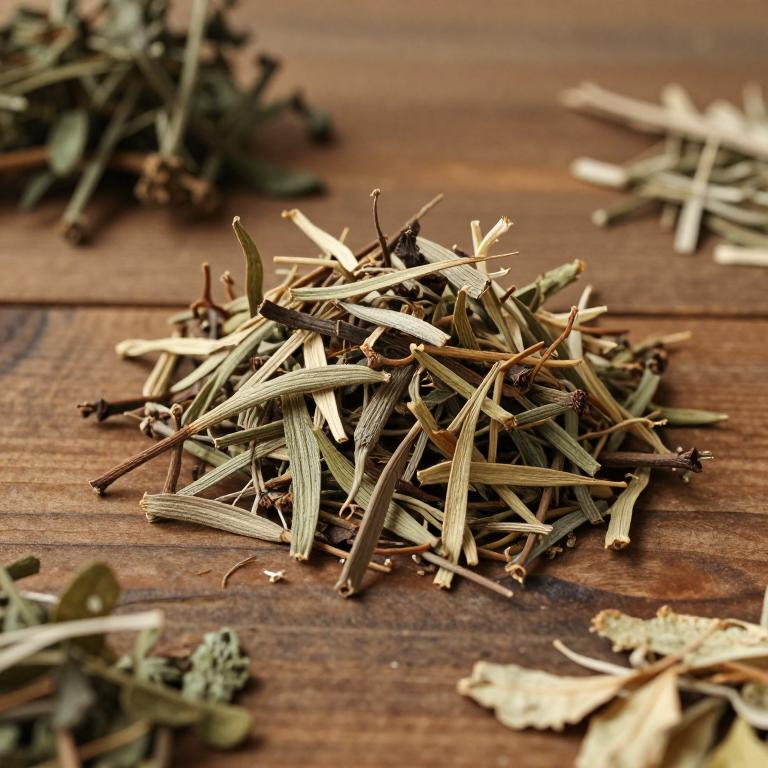
- Leaf · Stem
Classification
Synonyms
Drypetes hainanensis is a botanical species that has undergone taxonomic refinements to clarify its classification. Within scientific literature, it is formally recognized by the synonym Drypetes hainanensis var. longistipitata. This nomenclatural connection highlights the historical efforts to categorize its specific morphological variations. Understanding these synonymous relationships is essential for researchers tracking the plant's evolutionary lineage. Consequently, maintaining such precise botanical records ensures consistency across global herbarium databases.
Sources: The World Checklist of Vascular Plants (WCVP)
Taxonomy
Drypetes hainanensis is a remarkable botanical specimen belonging to the kingdom Plantae. Within this vast kingdom, it is classified under the class Equisetopsida. The species is a member of the order Malpighiales, showcasing its complex evolutionary lineage. It further resides within the specific family Putranjivaceae, which defines its unique biological characteristics. Ultimately, this plant is identified by its taxonomic placement within the genus Drypetes.
| Rank | Classification |
|---|---|
| Kingdom | Plantae |
| Phylum | Streptophyta |
| Class | Equisetopsida |
| Subclass | Magnoliidae |
| Order | Malpighiales |
| Family | Putranjivaceae |
| Genus | Drypetes |
Sources: The World Checklist of Vascular Plants (WCVP)
Distribution
Geographic Regions
Drypetes hainanensis exhibits a broad geographical range that spans across diverse ecological zones in Asia. In the temperate regions, this species can be found specifically within the Hainan province of China. Moving into tropical climates, its presence extends throughout Indo-China, encompassing both Thailand and Vietnam. The plant also thrives in the Malesia region, with notable populations located on the islands of Borneo and Sulawesi. This wide distribution highlights the remarkable adaptability of the species to varying Asian environments.
Sources: The World Checklist of Vascular Plants (WCVP)
Identification
Morphology
Drypetes hainanensis is a self-supporting plant that takes the form of a sturdy tree. It possesses a robust growth habit that allows it to reach a maximum height of 20 meters. This impressive stature makes it a notable feature within its natural ecosystem.
Sources: Global Inventory of Floras and Traits (GIFT)
Biological Activities
Compounds
Drypetes hainanensis has been identified as a significant source of several unique chemical constituents found within its stems and leaves. Through extensive chromatographic isolation and spectral analysis, researchers have confirmed that this plant contains abietin. Furthermore, the chemical profile of the species includes the presence of amentoflavone and kelampayoside A. The study also successfully identified koaburaside as one of the specific compounds residing in the plant tissue. Finally, the presence of syringin completes this list of newly isolated substances from Drypetes hainanensis.
Conditions
Preparations
Parts used
Drypetes hainanensis serves as a significant subject of study regarding its diverse chemical profile. Researchers have focused their investigations specifically on the plant's leaf and stem components to identify unique bioactive molecules. Through advanced chromatography and spectral analysis, scientists successfully isolated and purified various organic compounds from these two parts. The study revealed eleven distinct substances, including syringaresinol-4-O-glycoside and amentoflavone, which were identified for the first time in this species. This comprehensive analysis highlights the rich chemical complexity found within the stems and leaves of Drypetes hainanensis.