Dryopteris marginalis
Dryopteris marginalis · Accepted scientific name
Scientific literature: Sparse (62 studies) · ★★☆☆☆
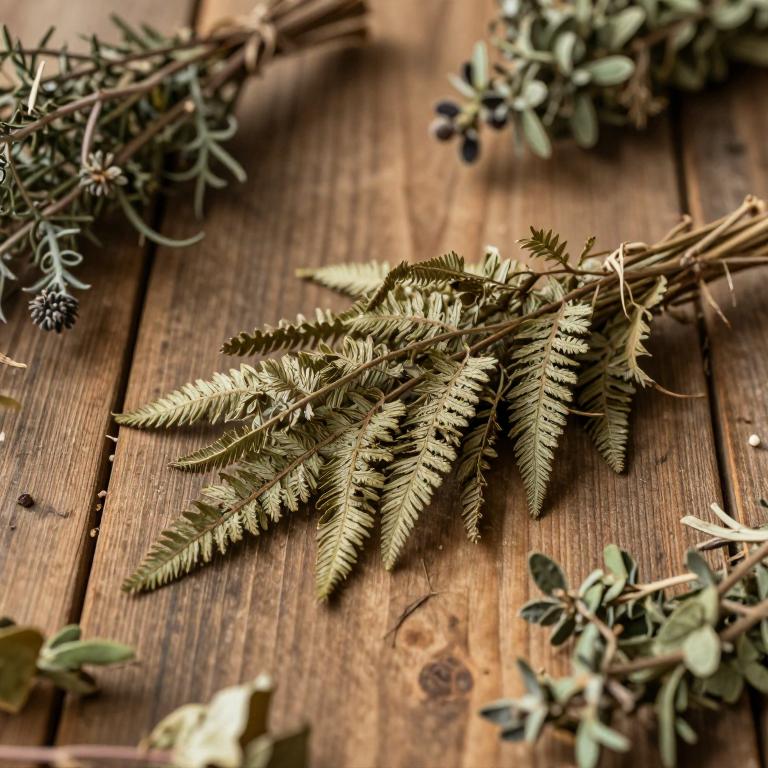
, scientifically known as Dryopteris marginalis, is a distinctive fern species characterized by its elegant, pinnate fronds and marginal spore cases. Primarily found in moist, shaded woodland habitats, this resilient plant plays a vital role in forest ecosystems, offering both aesthetic beauty and ecological value to diverse temperate environments.
- Family
- Not available
- Native range
- Northern America
- Parts used
- Not available
- Common names
- Not available
- Scientific synonyms
- Not available
Names and Synonyms
Scientific Names
Accepted name
Dryopteris marginalisDistribution
This plant exhibits a broad distribution across several key regions of North America. In the subarctic reaches of the continent, it can be found growing in Greenland. Its presence extends through western territories, specifically within the province of British Columbia. Moving toward the east, the species is well-established in the Canadian province of New Brunswick. Finally, its range includes the eastern maritime regions of Newfoundland and Nova Scotia.
| Region | Area |
|---|---|
| Subarctic America | Greenland |
| Western Canada | British Columbia |
| Eastern Canada | New Brunswick |
| Eastern Canada | Newfoundland |
| Eastern Canada | Nova Scotia |
| Eastern Canada | Ontario |
| Eastern Canada | Québec |
| North-Central U.S.A. | Illinois |
| North-Central U.S.A. | Iowa |
| North-Central U.S.A. | Kansas |
Sources: The World Checklist of Vascular Plants (WCVP)
Botanical Identification
Life history
The life history of Dryopteris marginalis is characterized by a perennial lifecycle, meaning the plant persists through multiple growing seasons rather than completing its cycle in a single year. As a perennial fern, it survives unfavorable conditions by utilizing underground rhizomes, which serve as storage organs to sustain the plant during dormancy. Each year, new fronds emerge from these rhizomes to begin a new vegetative cycle. The reproductive phase involves the production of spores on the undersides of the mature fronds; once released, these spores germinate into a tiny, heart-shaped gametophyte known as a prothallus. This gametophyte stage facilitates sexual reproduction through the fertilization of sperm and egg, eventually giving rise to a new sporophyte, thereby continuing the long-term life cycle of the species.
- Lifecycle :
- perennial
Morphology
The morphology of Dryopteris marginalis is characterized by its growth form as a non-woody herb, specifically categorized as a forb. It functions as an independent organism, maintaining an independent lifestyle without acting as a parasite. In terms of its habitat and physical orientation, the plant is terrestrial rather than aquatic or epiphytic, and it possesses a self-supporting structure, meaning it does not function as a climber, liana, or vine.
- Aquatic :
- terrestrial
- Climber :
- self-supporting
- Epiphyte :
- terrestrial
- Growth form :
- herb
- Growth form :
- forb
- Parasite :
- independent
- Woodiness :
- non-woody
Physiology
The physiology of Dryopteris marginalis is characterized by its reliance on a C3 photosynthetic pathway, which is the standard metabolic process for most pteridophytes. Through this mechanism, the plant utilizes the enzyme RuBisCO to fix atmospheric carbon dioxide directly into a three-carbon compound during the Calvin cycle. This process occurs within the chloroplasts of the mesophyll cells, where light energy is harnessed to drive the synthesis of organic compounds. Because it follows the C3 pathway, the plant's carbon fixation is highly efficient in shaded, moist environments typical of its natural habitat, though it remains susceptible to photorespiration under high temperature or water-stress conditions. The physiological regulation of its gas exchange and transpiration is tightly linked to its stomatal conductance, ensuring that carbon assimilation is balanced against the need to maintain hydration within its fronds.
- Photosynthetic pathway :
- C3
Sources: Global Inventory of Floras and Traits (GIFT)
Chemicals
Dryopteris marginalis has 14 reported phytochemicals identified across 0 scientific publications and several other databases. The most consistently reported chemicals include ALBASPIDIN, Asparaginic acid, Desaspidin, Flavaspidic acid, GABA.
| Chemical | Supporting sources | Consensus |
|---|---|---|
| ALBASPIDIN | 1 supporting sources | ★☆☆☆☆ |
| Asparaginic acid | 1 supporting sources | ★☆☆☆☆ |
| Desaspidin | 1 supporting sources | ★☆☆☆☆ |
| Flavaspidic acid | 1 supporting sources | ★☆☆☆☆ |
| GABA | 1 supporting sources | ★☆☆☆☆ |
| GLUTAMIC ACID | 1 supporting sources | ★☆☆☆☆ |
| Margaspidin BB | 1 supporting sources | ★☆☆☆☆ |
| Phloraspidinol | 1 supporting sources | ★☆☆☆☆ |
| Phloraspin | 1 supporting sources | ★☆☆☆☆ |
| Phloraspin-BB | 1 supporting sources | ★☆☆☆☆ |
ALBASPIDIN
- Dr. Duke
Asparaginic acid
- Dr. Duke
Desaspidin
- Dr. Duke
Flavaspidic acid
- Dr. Duke
GABA
- Dr. Duke
GLUTAMIC ACID
- Dr. Duke
Margaspidin BB
- Dr. Duke
Phloraspidinol
- Dr. Duke
Phloraspin
- Dr. Duke
Phloraspin-BB
- Dr. Duke
Activities
Dryopteris marginalis has 48 reported activities identified across 0 scientific publications and several other databases. The most consistently reported activities include Analeptic, Anthelmintic, AntiEBV, Antialkali?, Anticephalagic.
| Activity | Supporting sources | Consensus |
|---|---|---|
| Analeptic | 1 supporting sources | ★☆☆☆☆ |
| Anthelmintic | 1 supporting sources | ★☆☆☆☆ |
| AntiEBV | 1 supporting sources | ★☆☆☆☆ |
| Antialkali? | 1 supporting sources | ★☆☆☆☆ |
| Anticephalagic | 1 supporting sources | ★☆☆☆☆ |
| Anticerebrotic | 1 supporting sources | ★☆☆☆☆ |
| Antichoreic | 1 supporting sources | ★☆☆☆☆ |
| Anticonvulsant | 1 supporting sources | ★☆☆☆☆ |
| Antidiabetic? | 1 supporting sources | ★☆☆☆☆ |
| Antiencephalopathic | 1 supporting sources | ★☆☆☆☆ |
Analeptic
- Dr. Duke
Anthelmintic
- Dr. Duke
AntiEBV
- Dr. Duke
Antialkali?
- Dr. Duke
Anticephalagic
- Dr. Duke
Anticerebrotic
- Dr. Duke
Antichoreic
- Dr. Duke
Anticonvulsant
- Dr. Duke
Antidiabetic?
- Dr. Duke
Antiencephalopathic
- Dr. Duke