Dryopteris blanfordii subsp. nigrosquamosa
Dryopteris blanfordii subsp. nigrosquamosa · Accepted scientific name
Scientific literature: Very Sparse (0 studies) · ★☆☆☆☆
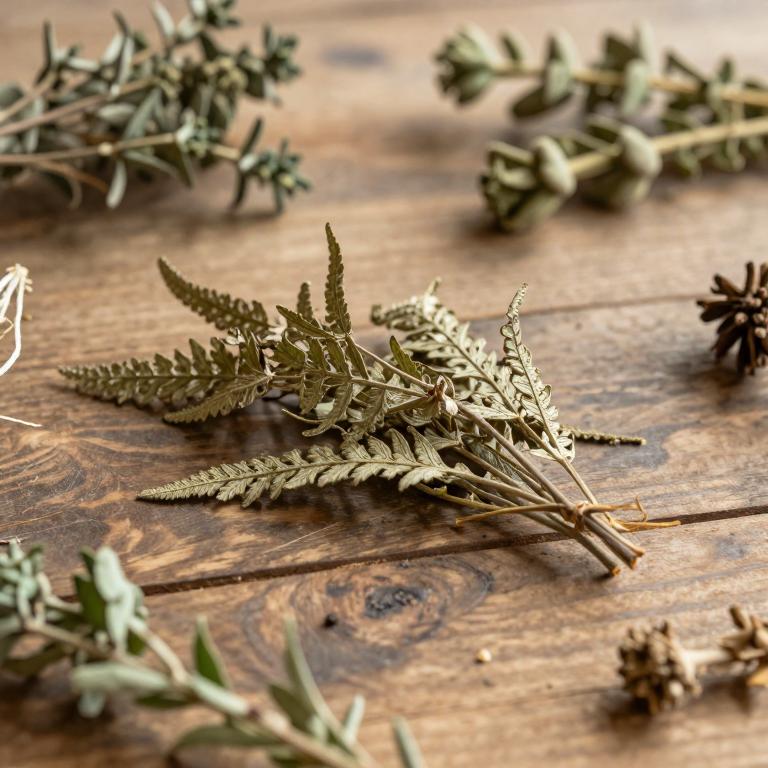
Dryopteris blanfordii subsp. nigrosquamosa is a distinct botanical specimen recognized for its unique morphological characteristics. Scientific studies have identified key chemical constituents within this plant, including Matteuorienate A, Matteuorienate C, and arbutin. These bioactive compounds are primarily concentrated within the rhizome, making this plant part a significant focus for researchers. Through the use of botanical extracts, scientists can isolate these substances for further pharmaceutical or chemical investigation. Consequently, the study of this specific subspecies offers valuable insights into its complex chemical profile.
- Synonyms
- Dryopteris Gongboensis · Dryopteris Blanfordii Subsp. Gongboensis · 3 more
- Common names
- Not available
- Family
- Polypodiaceae
- Distribution
- Not available
- Plant Parts
- Rhizome
Classification
Synonyms
Dryopteris blanfordii subsp. nigrosquamosa is a complex botanical taxon that encompasses several important taxonomic synonyms. Scientific records indicate that this subspecies is also recognized under the names Dryopteris blanfordii subsp. gongboensis and Dryopteris gongboensis. Furthermore, it has been identified in various studies as Dryopteris gushaingensis and simply as Dryopteris nigrosquamosa. The classification also includes the name Dryopteris sublaeta, reflecting the diverse nomenclature used to describe this plant. Understanding these overlapping identities is essential for accurate botanical identification and research.
Sources: The World Checklist of Vascular Plants (WCVP)
Taxonomy
Dryopteris blanfordii subsp. nigrosquamosa is a distinct biological entity belonging to the kingdom Plantae. Within this vast kingdom, it is classified under the class Equisetopsida, marking its place among the true ferns. The plant is further organized into the order Polypodiales, which defines its evolutionary lineage. As a member of the genus Dryopteris, it shares specific morphological traits with its close relatives. Ultimately, this subspecies is a specialized representative of the family Polypodiaceae, showcasing the intricate diversity of its botanical group.
| Rank | Classification |
|---|---|
| Kingdom | Plantae |
| Phylum | Streptophyta |
| Class | Equisetopsida |
| Subclass | Polypodiinae |
| Order | Polypodiales |
| Family | Polypodiaceae |
| Genus | Dryopteris |
Sources: The World Checklist of Vascular Plants (WCVP)
Distribution
Geographic Regions
Dryopteris blanfordii subsp. nigrosquamosa is a distinct fern species primarily found within the temperate regions of Asia. Its geographic footprint is most notably concentrated across various provinces in China, ranging from the North-Central to the South-Central territories. Additionally, this subspecies maintains a significant presence within the high-altitude landscapes of Tibet. This wide distribution across diverse Chinese climates highlights its adaptability to different temperate environments. Understanding these specific locations provides essential insight into the natural habitat and ecological range of the plant.
Sources: The World Checklist of Vascular Plants (WCVP)
Identification
Biological Activities
Compounds
Dryopteris blanfordii subsp. nigrosquamosa serves as a significant source of various bioactive chemical constituents. Phytochemical investigations have revealed that this specific plant contains Matteuorienate A and Matteuorienate C. Additionally, the species is characterized by the presence of the compound Polydotin Peceid. Research further identifies arbutin as another notable substance found within its chemical profile. These findings highlight the complex molecular composition inherent to this particular fern subspecies.
Conditions
Dryopteris blanfordii subsp. nigrosquamosa is not mentioned in the provided abstract as having any effect on estrogenic activities. The study specifically focuses on the estrogenic evaluation of five other Chinese herbal medicines, including Dryopteris sublaeta. According to the research, Selaginella tamariscina was the primary botanical extract identified as having significant estrogenic activity. This activity was demonstrated through increased mouse weight and the induction of reporter genes controlled by ERE. Consequently, no data is provided to support the claim that Dryopteris blanfordii subsp. nigrosquamosa treats estrogenic activities.
Preparations
Dryopteris blanfordii subsp. nigrosquamosa is prepared as botanical extracts to evaluate various biological activities. This specific plant is processed into an extract to facilitate scientific study and chemical analysis. Such preparation allows researchers to utilize the plant's components in experimental settings. The transformation into botanical extracts is a key step in investigating its medicinal properties. Consequently, the plant is utilized in its extract form for these specialized research purposes.
Parts used
Dryopteris blanfordii subsp. nigrosquamosa is characterized by the presence of a specialized part known as the rhizome. While research has focused on the chemical constituents of related species like Dryopteris sublaeta, the importance of the rhizome remains a central theme in botanical studies. For instance, investigations into Dryopteris sublaeta rhizomes have led to the discovery of various flavanone O-glycosides. These studies utilize complex extraction and chromatography processes to isolate specific compounds from the plant material. Ultimately, understanding these structural relationships helps researchers identify new chemical structures within the genus.